
Review · TOKYO
Tokyo Private Tour! Edo Castle & Imperial Palace East Gardens
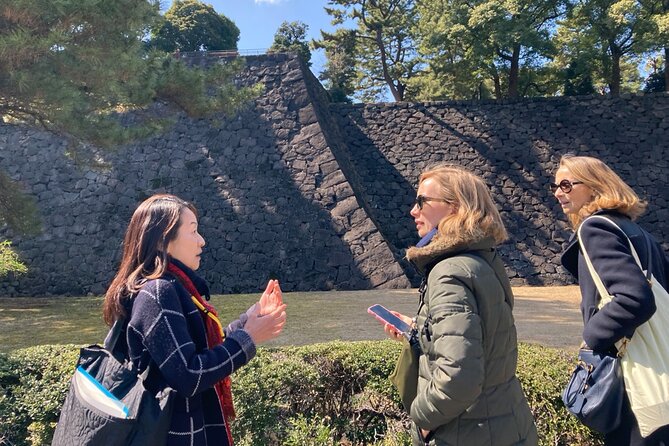
Tokyo hides a quiet world behind stone walls. I like the private format, which gives your group a guide instead of a one-size-fits-all walk, and I like the clear focus on Edo Castle ruins, Ninomaru Garden, and Ote-mon Gate. The main drawback is simple: this is not a tour of the palace interior, and admission to the Inner Palace is not included.
For about $65.41 per person, you get roughly two hours with a guide and no separate garden admission charge. The strongest part is the historical explanation, especially with guides such as Naoko, Akiyoshi, Shigeru, Mikio, Yoshiko, and Ishida Katsura. Still, English ability can vary, so I would confirm your language needs before booking if detailed conversation matters to you.
Key points at a glance
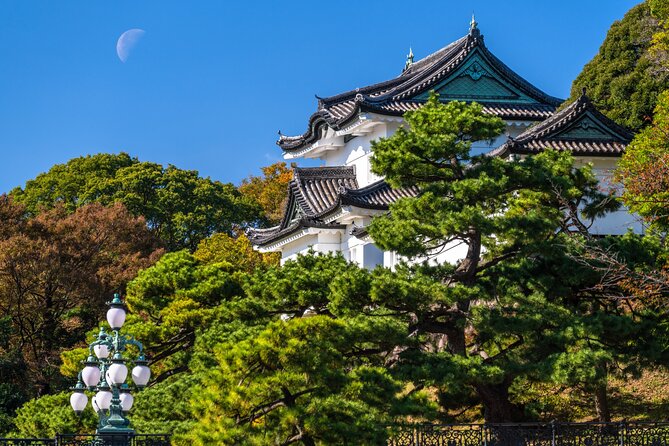
- Edo Castle ruins give the walk its historical focus, with stories about the shoguns, the castle grounds, and Tokyo’s transformation.
- Ninomaru Garden offers a calm break from central Tokyo, with seasonal plants, a Japanese garden, an old bridge, and photo-friendly views.
- Ote-mon Gate helps you picture the former castle entrance, rather than simply wandering through a pretty park.
- The tour is private, so your own group participates and the pace can be adjusted.
- The Inner Palace is not part of the visit, and the tour does not go inside the Imperial Palace.
- Baggage inspection is required, so leave Japanese knives or similar purchases in a locker before meeting the guide.
What the two-hour walk actually covers
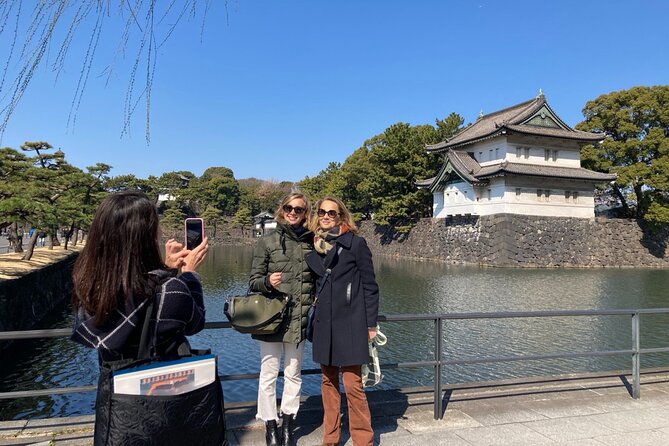
This experience focuses on the Imperial Palace East Gardens, one of the public sections of the wider Imperial Palace grounds. The route includes the old Edo Castle area, the Ninomaru Garden, Ote-mon Gate, natural scenery, an old bridge, and views of historic buildings and palace-related sites.
That distinction matters. The title may sound like you will enter the working Imperial Palace or see the royal family’s private rooms. You will not. The tour stays outside the Inner Palace, and the Inner Palace is specifically excluded.
I see that as a fair trade for visitors who want context rather than access to restricted rooms. The East Gardens provide plenty to discuss: the former castle, the role of the shogunate, the imperial family, Japanese gardens, and the way old sites fit into modern Tokyo. But you should book with the right expectation. This is an outdoor history walk, not an indoor palace tour.
The two-hour length is useful. It is long enough for a proper introduction without taking up half your day. You can pair it with another central Tokyo stop, though the walk may feel tiring in strong summer heat. One tour took place in temperatures around 35C, and the guide provided umbrellas and neck coolers. That is a welcome touch, but I would still dress for the weather and carry water.
More Garden Tours in Tokyo:
- Imperial Palace East Garden and Edo Castle Walking Tour in Tokyo
★ 5.0 · 510 reviews - Tokyo: Imperial Palace East Gardens Walking Tour
★ 4.8 · 353 reviews - Tokyo: Edo Castle & East Garden of the Imperial Palace Tour
★ 4.7 · 112 reviews
Starting at Wadakura Fountain National Park
The meeting point is Wadakura Fountain National Park at 3-1 Kōkyogaien in Chiyoda City. The tour ends back at the same meeting point, which makes planning easier. You do not need to guess where the guide will leave you or arrange transport from a distant final stop.
The area is near public transportation, but the supplied details do not name a particular station or provide a step-by-step route. I would allow enough time to find Wadakura Fountain National Park, especially if you are meeting a private guide at a precise time.
The meeting location also makes sense geographically. You begin near the palace grounds, so the tour can move directly into the gardens and surrounding historic area. Since the activity lasts about two hours, arriving late could cut into the explanation and walking time.
A mobile ticket is available, and confirmation is sent at booking. The tour has been booked more than 10 times in the past week, so it is sensible to reserve ahead if your Tokyo dates are fixed.
Ote-mon Gate and the first sense of Edo
Ote-mon Gate is one of the most useful stops for understanding the old castle complex. A gate can look like a quick photo stop when you visit alone. With a guide, it becomes a way to picture how people once entered and moved through the castle grounds.
The tour uses this area to connect present-day Tokyo with the Edo period. You may learn how the castle functioned, how power was organized, and how the site changed after the age of the shoguns. The exact emphasis depends on your guide, but the tour is designed to provide the background that signs alone may not explain.
This is also where a guide can help you notice details you might otherwise pass without a second look. The stones, gates, bridges, and open spaces are not random park features. They are pieces of a former seat of power.
I like that the experience does not treat the gardens as scenery only. The strongest comments describe guides bringing the castle and its past to life through stories, clear explanations, and answers to questions. That makes this a better choice for you if you want to understand what you are seeing rather than simply photograph it.
Edo Castle ruins and Tokyo’s changing story
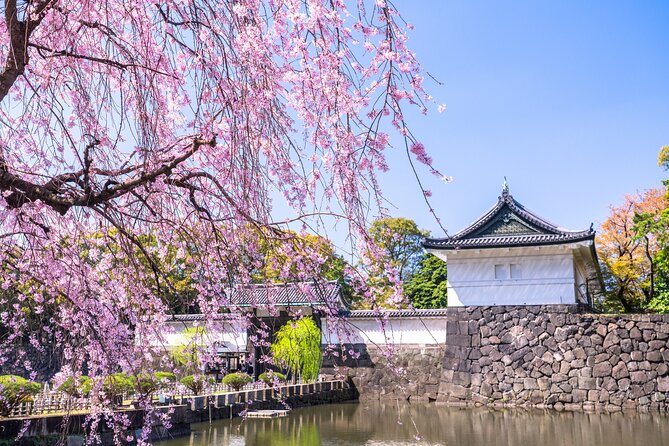
The Edo Castle ruins are the heart of the tour. The remains do not offer a complete castle interior, so you should not expect grand rooms or furnished halls. Instead, the interest comes from the surviving structures, the layout of the grounds, and the stories attached to them.
A good guide helps you imagine the site during the Edo period. One guide described what the Imperial Gardens would have looked like during the time of the shoguns. Other guides focused on Japanese history, modern life, and the continuing role of the Imperial Family.
That wider view is one of the best reasons to book a guided walk. Japan’s political story can seem complicated when you encounter it in bits and pieces. The tour connects the castle era, the imperial period, and modern Tokyo in a short, manageable visit.
The private setup helps here. You can ask about the shoguns, the emperor, Japanese daily life, or anything else that catches your attention. Several guides were praised for taking time with questions, while one guide was singled out for especially detailed answers. If you enjoy history, this question-and-answer time may be more valuable than moving quickly through every corner.
The quality of the experience depends heavily on who leads your walk. Naoko was described as lively, friendly, and clear in English. Akiyoshi was praised for discussing history, Japanese life, and the Imperial Family. Shigeru was valued for detailed explanations, plant knowledge, patience, and a small paper craft gift. Mikio was praised for his warm manner and ability to answer questions. Yoshiko made the walk enjoyable in hot weather, while Ishida Katsura was praised for both history and English.
There is one important warning. One participant stopped after about 45 minutes because the guide’s English was too limited for comfortable communication. The overall rating is 4.9 from 105 reviews, with 98 percent recommending the experience, but that single complaint points to a real consideration. If you need advanced English discussion, contact the provider before booking rather than assuming every guide will have the same language level.
Same place, a different sort of green day out:
- Mt. Fuji Day Trip from Tokyo with English Speaking Driver Guide
★ 5.0 · 443 reviews - Mt. Fuji, Cherry Blossom & Shiba Sakura Pvt. Day Tour
★ 5.0 · 326 reviews - Mount Fuji & Lake Kawaguchiko Private Tour: Beyond the Ordinary
★ 5.0 · 78 reviews - Tokyo: Rainbow Bridge Day Cruise Show and Only Soft Drinks
★ 4.5 · 75 reviews
Ninomaru Garden: the quietest part of the walk
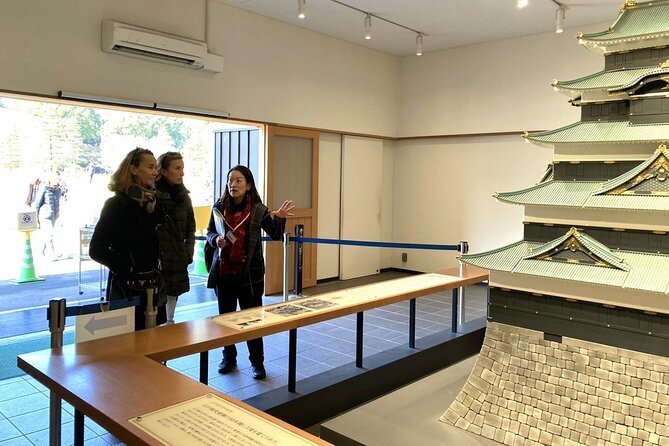
Ninomaru Garden gives the tour a change of pace. After castle walls and military history, you move into a Japanese garden with water, plants, an old bridge, and carefully arranged natural views.
This is the place to slow down. You can take photos, look at seasonal flowers, and enjoy a quieter corner of central Tokyo. The garden is also useful for families because it gives younger visitors something visual and open while the guide explains the past.
The plants change with the seasons. March and April are noted for cherry blossoms, and other flowers appear at different times of year. The tour is not presented as a specialist botanical walk, but Shigeru was praised for explaining the plants in detail. If gardens interest you, you can ask your guide to give that side of the visit more attention.
The garden is free to enter, which affects how you should judge the $65.41 price. You are not paying for an expensive admission ticket. You are paying mainly for planning, navigation, private attention, historical interpretation, and the convenience of having someone connect the separate parts of the site.
If you are happy to read signs and explore alone, you may decide the price is too high. If you want history explained in plain language and the freedom to ask questions, the cost can make sense, particularly for a small group sharing the private guide.
What private means here
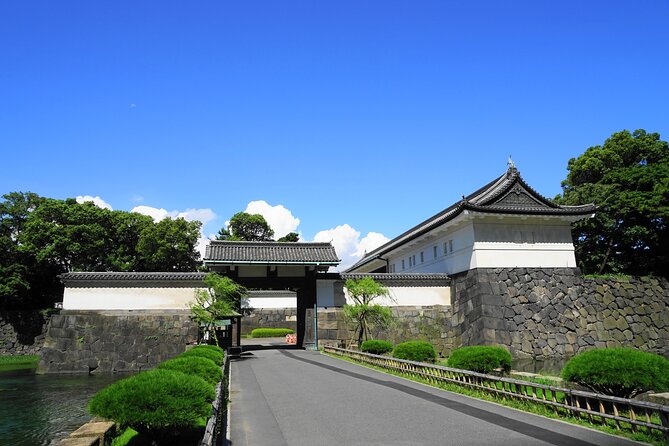
Only your group participates. That does not mean you receive a completely custom itinerary with every possible palace site. The route remains centered on the East Gardens and the listed stops. It does mean the guide can adjust the pace and spend more time on subjects that interest you.
One fast-walking group appreciated that the guide matched its pace while still giving the requested information. Other groups valued patient answers and a relaxed approach. This flexibility is useful for families, couples, and friends who do not want to follow a large group at someone else’s speed.
The private format also makes it easier to speak up. If the difference between Edo Castle and the modern Imperial Palace is unclear, you can ask. If you want more information about plants, Japanese gardens, or the Imperial Family, you can steer the conversation.
The limitation is that a private guide does not guarantee the same style or English level every time. The names praised in the feedback show that several guides have made a strong impression, but the one language complaint should not be ignored.
Heat, clothing, and baggage checks
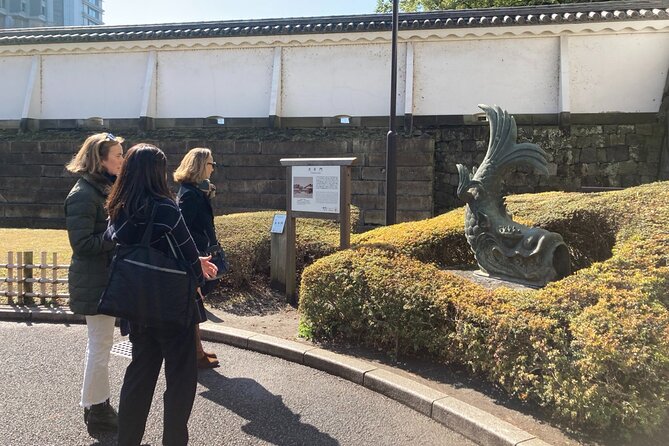
This is an outdoor walking tour, and the gardens can feel exposed in hot weather. A past group received umbrellas and neck coolers during a 35C day, but you should not rely on those items being available every time. Wear light clothing, use sun protection, and plan for a walking pace rather than a seated sightseeing experience.
Before entering the Imperial Palace grounds, you must pass a baggage inspection. This is especially important if you plan to shop before the tour. Japanese knives or other items that could be treated as weapons should be left in a coin locker or similar storage place before you meet the guide.
That rule can easily catch you out after shopping in Tsukiji or Asakusa. Plan the order of your day carefully. Do not arrive with a newly purchased knife and expect to carry it through the inspection.
Most people can participate, and the tour is near public transportation. Still, the supplied details do not promise a fully step-free route or describe the exact walking distance. If you have mobility concerns, ask the provider before booking.
Is $65.41 per person a fair price?
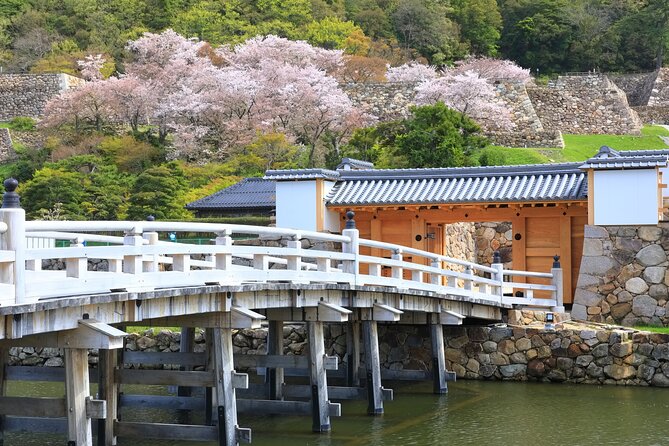
The price is reasonable if you value interpretation and private attention. The gardens themselves do not require a separate admission payment for this experience, so the fee is mainly for the guide’s time and the convenience of having the route handled for you.
For a couple or small family, a private two-hour walk can be a good way to get historical context without committing to a full-day tour. The value is strongest if you ask questions and use the guide to connect the ruins, gardens, gates, and Imperial Palace story.
The price is less appealing if you only want a stroll through the gardens. You can enter the public East Gardens without paying for this guided service, and information is available on site. The tour earns its cost through explanation, not exclusive access.
I would also compare it with your priorities. If you have only one day in Tokyo and want a quick introduction to Japanese political history, this compact format is useful. If you want to enter the Inner Palace, see private imperial rooms, or spend hours exploring the wider palace complex, this tour will not meet that goal.
Who should book this East Gardens tour?
I would recommend it to you if you:
- Want a short, private introduction to Edo Castle and the Imperial Palace grounds.
- Prefer asking questions to reading signs alone.
- Enjoy gardens as much as buildings.
- Are visiting Tokyo with family or a small group.
- Want a guide who can adjust the pace.
- Need historical context to make the rest of your Japan visit easier to understand.
I would be more cautious if you expect to enter the palace itself, need guaranteed advanced English, or prefer independent sightseeing at no added cost. The East Gardens are free, so the guided service must match your interests to feel worthwhile.
Should you book it?
Book this tour if you want the East Gardens to make sense, not just look attractive. The strongest guides, including Naoko, Akiyoshi, Shigeru, Mikio, Yoshiko, and Ishida Katsura, have been praised for clear history, friendly conversation, patience, and useful answers.
Before paying, remember three points: the tour lasts about two hours, it stays outside the Inner Palace, and baggage inspection applies. I would also confirm the guide’s English level if communication is a major concern.
For a compact private walk through Edo Castle ruins, Ninomaru Garden, and Ote-mon Gate, this is a sound choice. Just treat it as a guided history experience in public palace gardens, not an inside look at the Imperial Palace.
FAQ
How long does the Tokyo East Gardens tour last?
The tour lasts approximately two hours.
Where does the tour begin?
It begins at Wadakura Fountain National Park, 3-1 Kōkyogaien, Chiyoda City, Tokyo 100-0002, Japan.
Where does the tour end?
The activity ends back at the meeting point.
Is the tour private?
Yes. Only your group participates in this private activity.
Does the tour enter the Imperial Palace?
No. The tour does not go inside the Imperial Palace or the Inner Palace.
Is admission to the Inner Palace included?
No. Admission to the Inner Palace is not included.
What places are covered during the walk?
The route includes the Imperial Palace East Gardens, Edo Castle ruins, Ninomaru Garden, and Ote-mon Gate. It also includes views of nature, an old bridge, historic buildings, and heritage sites.
Is a baggage inspection required?
Yes. Visitors are subject to a baggage inspection when entering the Imperial Palace grounds.
Can I cancel for a full refund?
Yes, if you cancel at least 24 hours before the experience start time. Cancellations made less than 24 hours in advance are not refunded, and changes within that period are not accepted.
Just added around Tokyo
- Private tour – Scenic Fuji Escape: Hakone, Peace Park & More★ 5.0 · 4 reviews
- TOKYO: Tailored Gardens tour with Pro Gardener by E-bike -BASIC★ 5.0 · 2 reviews
- Tsukiji Food Strolling and Hama Rikyu Garden Walking Tour★ 5.0 · 7 reviews
- Tokyo: Serene Sakura & Sake: An Exclusive Brewery Pairing Lunch★ 5.0 · 2 reviews
- Full Guided Mt. Fuji & Shiba-Sakura Festival One Day Pvt.Tour★ 5.0 · 6 reviews
- Tokyo Cherry Blossom Half Day Walking Tour with a Local Guide★ 3.5 · 4 reviews
- Cherry Blossom Highlights, Asakusa, Ueno, Imperial Palace Garden★ 4.5 · 4 reviews
- Japanese Garden & Western Architecture: Akasaka exploration tour★ 5.0 · 9 reviews
Tokyo Garden Tours, compared.
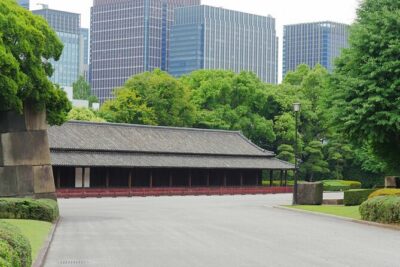
Imperial Palace East Garden and Edo Castle Walking Tour in Tokyo
Read our review →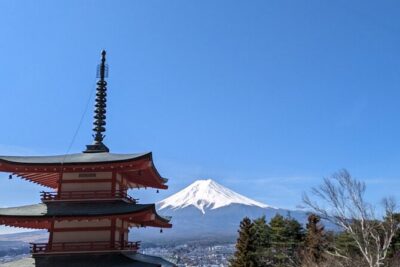
Mt. Fuji Day Trip from Tokyo with English Speaking Driver Guide
Read our review →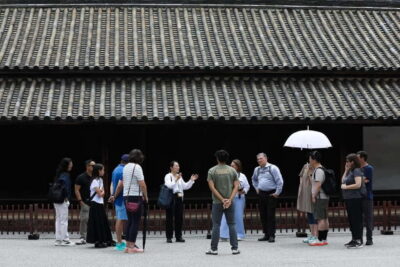
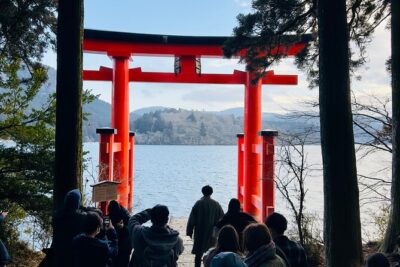
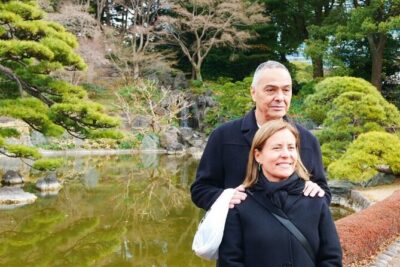
Edo Castle & East Garden of the Imperial Palace Tour
Read our review →
Mount Fuji & Lake Kawaguchiko Private Tour: Beyond the Ordinary
Read our review →
Rainbow Bridge Day Cruise Show and Only Soft Drinks
Read our review →
Tsukiji Market and Hama-rikyu Gardens Guided Tour
Read our review →Browse the lists this tour appears in