
Review · JAPAN
Hokkaido Lavender farm & Furano Flower Tour from Sapporo
Flowers, hills, and a very long day await. This $69 day trip makes it easy to leave Sapporo behind and reach Shikisai-no-Oka, Biei, and the Furano area without renting a car. I like the mix of famous flower fields and countryside views, and I especially like that the route includes the striking Blue Pond. The main drawback is that the exact stops change by date, so you must check the seasonal plan before booking.
I also like the friendly multilingual guiding. Oscar, who introduced himself as Aska or Omo, was praised for speaking English, Mandarin, and Japanese clearly, while keeping the group entertained and informed. The day is best for you if you want a broad taste of central Hokkaido in one outing, but it may feel packed if you prefer long, quiet visits at one location.
Key points at a glance
- Shikisai-no-Oka brings the flower-field views: Walk among seasonal flowers arranged across broad hillside plots, with sunflowers, salvia, and other blooms depending on the month.
- Biei’s Patchwork Road adds the countryside drama: Rolling farm fields create one of Hokkaido’s most recognizable rural scenes from the bus.
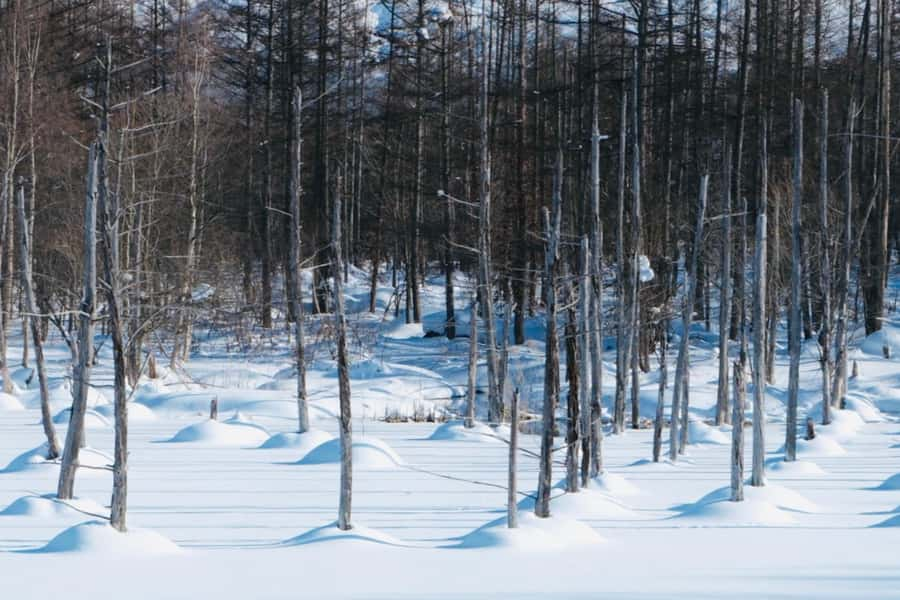
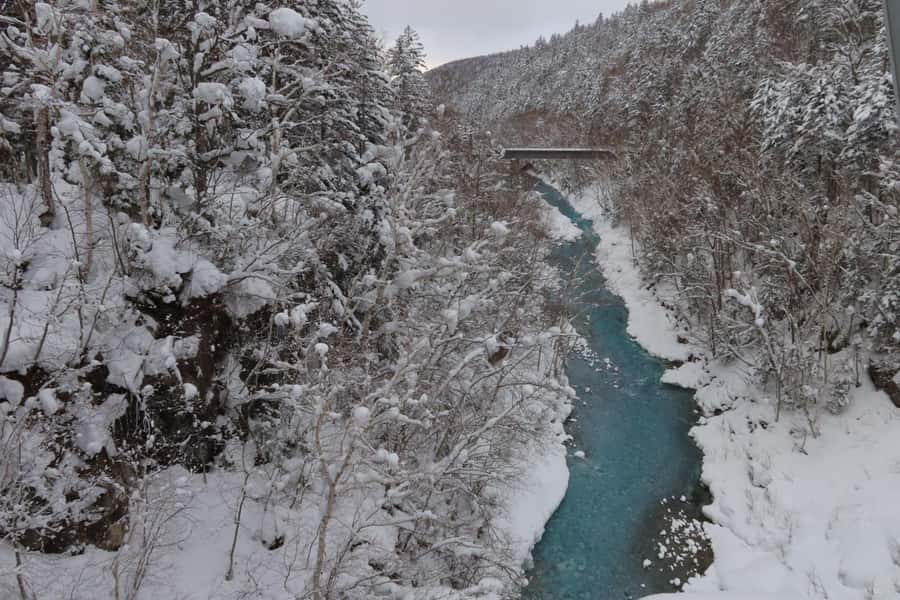
- The Blue Pond is the most unusual stop: Its turquoise water and pale tree trunks create a scene unlike the flower farms.
- The route changes after October 1: September visits include Farm Tomita, while October 1 to October 15 replaces it with Ningle Terrace.
- A meal plan can improve the value: Lunch is included only with selected packages, and the meal option may include unlimited cantaloupe with farm-style food.
- The guide can make or break the day: Clear multilingual explanations and practical help were among the strongest parts of the experience.
Why this tour makes sense from Sapporo
Central Hokkaido is spread out. Furano and Biei are not the kind of places you can casually add between breakfast and dinner in Sapporo, especially if you do not want to drive. This coach trip handles the long-distance transport and links several major sights in one day.
At $69 per person, the value comes mainly from the bus, guide, and number of stops. Admission to Shikisai-no-Oka is included, and lunch is included if you choose the meal package. You still pay for personal purchases and any food not covered by your selected plan, but the price is reasonable for a full day reaching places that are awkward to connect by public transport.
I would not choose this trip if your main goal is a slow visit to one farm. I would choose it if you want an efficient first look at Biei and Furano, with someone else handling the roads and timing.
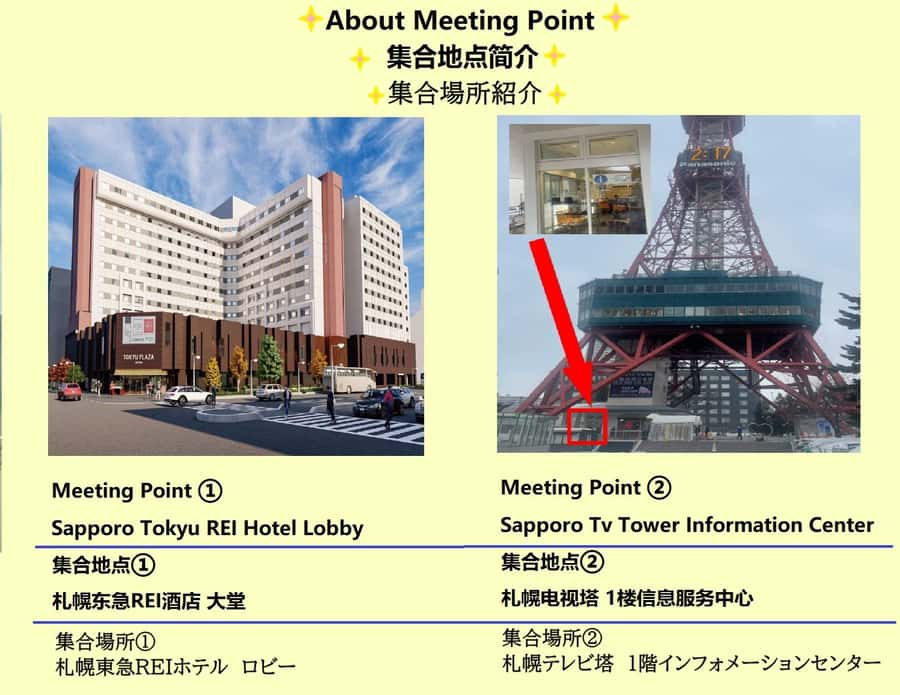
The meeting point can vary by booking option, so read your confirmation carefully. Arrive at least 10 minutes before departure and look for staff holding an easygo flag. The bus will not wait for a late arrival, and traffic can affect the return time. Avoid booking a tight dinner reservation, airport transfer, or same-day flight after the tour.
More Lavender Field Tours in Japan:
- Sapporo: Furano Lavender & Biei Blue Pond Tour with Lunch
★ 4.6 · 13 reviews - Tokyo Summer: Mt Fuji 5th Station& Kawaguchiko Lavender Trip
★ 3.5 · 4 reviews - Nice: Gorges of Verdon and Fields of Lavender Tour
★ 4.5 · 2,707 reviews
Rolling through Biei’s Patchwork Road
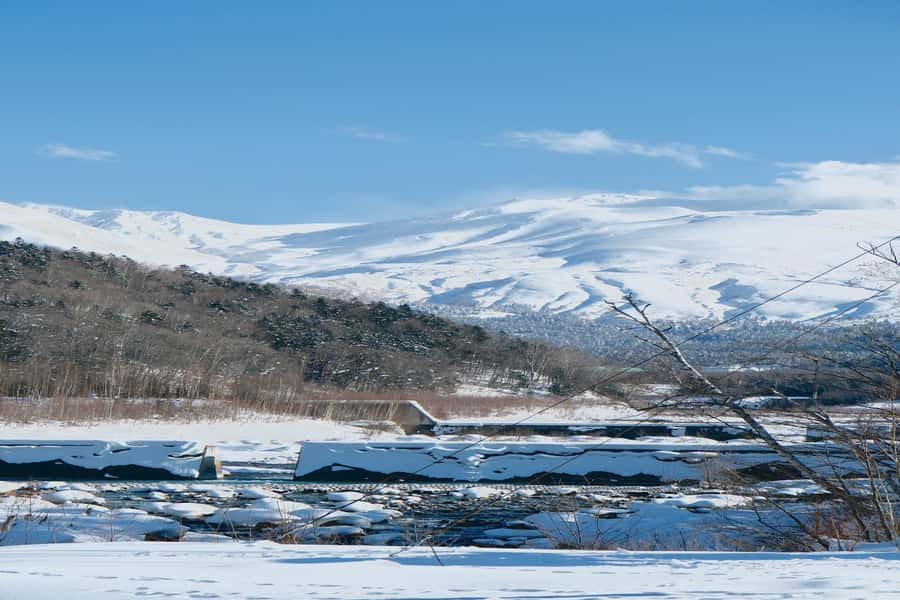
The drive through Biei is part of the appeal, not just a way to reach the next stop. The famous Patchwork Road passes over broad, rounded hills divided into fields. From the bus window, the changing crops and field colors create a quilt-like pattern.
This is rural Hokkaido at its most polished and photogenic. You get open views rather than dense city streets, with farmland stretching across the hills. The exact scenery changes with the season, so the road never looks exactly the same from one visit to the next.
The practical point is that much of this view is enjoyed from the coach. You may not stop at every attractive bend, so keep your camera ready and sit where you can see outside comfortably. This part of the tour suits you if you enjoy scenery unfolding during a drive. It may disappoint you if you expect frequent photo stops along every rural road.
The ride also gives the day a useful rhythm. After a busy flower stop, the bus becomes a place to rest while the countryside passes by. That matters because this is a full-day outing, not a short excursion.
The Blue Pond’s strange turquoise water
Shirogane Blue Pond, also called Aoiike, is the most visually different stop. The water can appear turquoise, with pale tree trunks rising from it and reflections changing with the light. It has an almost unreal quality, but the appeal is simple: the color and shapes are unlike the flower fields elsewhere in the day.
This stop is especially worthwhile if you like photography. The scene is compact and easy to understand at a glance, yet small changes in sunlight can alter the look of the water. I would plan to take a few photographs, then spend a little time looking beyond the camera. The contrast between the still pond and the surrounding trees gives the stop its character.
The Blue Pond is also a good reason to choose this itinerary instead of a flower-farm-only outing. Flowers are seasonal and familiar. The pond offers something more unusual and gives the day a stronger range of sights.
Do keep your expectations practical. The stop is about seeing and photographing the pond, not about a long nature walk or an extensive outdoor activity. The schedule determines how much time you receive, and the tour must keep moving to reach the later stops.
Shikisai-no-Oka’s hillside flower fields

Shikisai-no-Oka is one of the tour’s main attractions, and admission is included. Its flower plots spread across a hillside, allowing you to see broad bands of color rather than just individual garden beds.
Depending on the season, you might see sunflowers, salvia, lavender, and other flowers. The precise display changes throughout the growing season, so no single visit guarantees every flower shown in promotional photographs. That seasonal variation is part of the charm, but it is also why you should avoid booking with one exact bloom in mind.
I like this stop for the scale. You can walk among the flowers and also look back across the hillside for the larger view. It gives you both close-up color and a wide scene, which makes it more satisfying than a garden that can be seen in five minutes.
The fields are also a strong choice for families and photographers. The setting is open, colorful, and easy to enjoy without special background knowledge. If you have limited time in Hokkaido, this is one of the places that quickly explains why the Furano and Biei area is so popular.
The tradeoff is that this is a well-known attraction, not a quiet patch of countryside reserved for a few people. A coach tour offers convenience, but you share the stop with others and must return to the bus at the agreed time. Wear comfortable shoes, since the experience involves walking through the grounds rather than viewing everything from one platform.
Same place, a different sort of green day out:
- Osaka: teamLab Botanical Garden Entry Ticket
★ 4.5 · 1,710 reviews - Imperial Palace East Garden and Edo Castle Walking Tour in Tokyo
★ 5.0 · 510 reviews - Mt. Fuji Day Trip from Tokyo with English Speaking Driver Guide
★ 5.0 · 443 reviews - Kyoto Zen Meditation & Garden Tour at a Zen Temple with Lunch
★ 5.0 · 441 reviews
Farm Tomita in September
From September 1 through September 30, the route includes Farm Tomita. This is Hokkaido’s best-known lavender farm, with lavender areas, other colorful gardens, and plenty of room for a relaxed stroll.
Lavender is the farm’s signature, but the experience is not limited to one purple field. The gardens provide different colors and textures, and the farm is also known for its lavender soft-serve ice cream. That dessert is an easy, mildly silly pleasure, and it fits the setting perfectly.
Farm Tomita makes the September route particularly appealing if you want the classic Hokkaido flower-farm experience. It is the more traditional choice for anyone specifically searching for lavender, though the amount of lavender in bloom depends on the time of year. A September visit should not be planned around peak lavender flowering, so think of the farm as a garden and farm stop with lavender heritage, not a guarantee of endless purple fields.
You will also have time to browse and take photographs, but the exact length of the visit is controlled by the overall schedule. If you linger over ice cream, shops, or every flower bed, you may feel that the stop ends quickly.
Ningle Terrace from October 1 to October 15
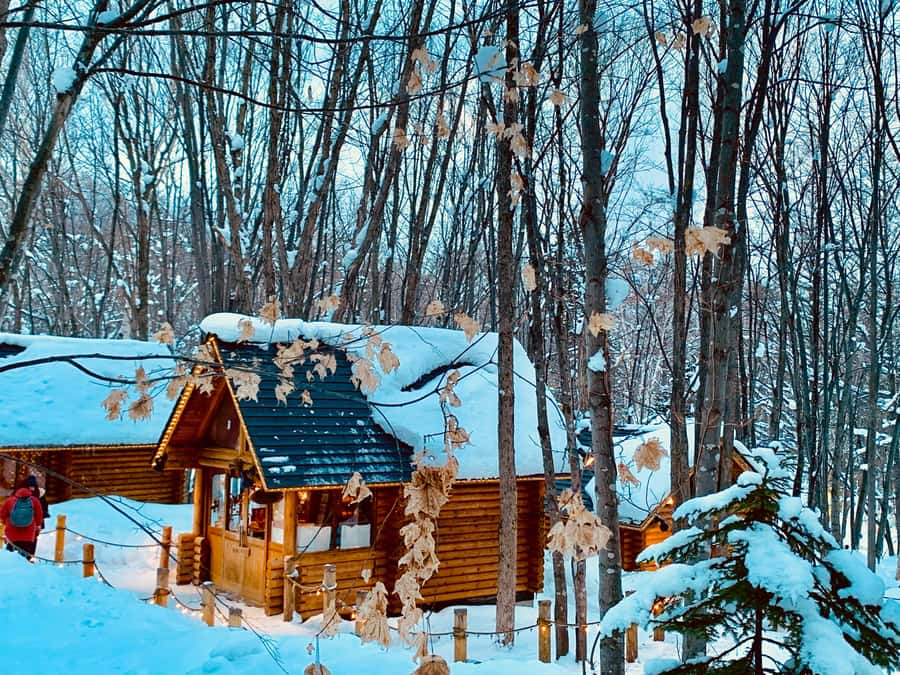
The route changes from October 1 through October 15. Farm Tomita is not included during this period. Instead, you visit Ningle Terrace for about 40 minutes.
Ningle Terrace has a completely different mood. It is a forest setting with small wooden cottages selling handmade goods, local crafts, and souvenirs. Think of it as a storybook-style shopping walk rather than a flower farm.
This change is important when choosing your date. If lavender and flower fields are the reason you are booking, select the September route. If you like crafts, photographs, and a short stop among wooden buildings, Ningle Terrace may suit you better.
The 40-minute visit is enough to stroll and browse, but it is not enough for a leisurely shopping session at every cottage. Decide in advance if you want to photograph the setting, look for a particular craft, or simply enjoy the atmosphere. With a short stop, a little focus helps.
The seasonal swap also means the phrase flower tour does not describe both dates equally. The October route still includes Shikisai-no-Oka, but Ningle Terrace changes the balance of the day from flowers toward crafts and forest scenery.
Lunch, cantaloupe, and the meal choices
Lunch depends on the package you select. With the meal plan, you receive a seasonal meal at a local Furano-style restaurant using fresh Hokkaido ingredients. The meal is meant to show the region through farm-style cooking rather than provide a generic fast-food break.
One package highlight is unlimited cantaloupe with fresh farm cuisine. That can make the meal plan attractive, especially if you enjoy local produce and want a fuller break built into the day.
If you choose the plan without lunch, the restaurant offers a simple Japanese set menu that you can order separately. This gives you more control over the cost, but you need to budget for the meal yourself.
I would choose the included lunch if you want a simple, organized day and like the idea of trying Hokkaido produce. I would consider the no-lunch plan if you have dietary preferences, want to spend less, or prefer deciding on food after seeing the day’s timing.
Do check the package details before paying. Lunch is not automatically included in every option, and infants aged 0 to 2 do not receive a meal or seat unless you pay the child rate for those items.
The guide and bus experience
The guide is a major part of this outing. Oscar, also known as Aska or Omo, received particularly strong praise for his English, Mandarin, and Japanese. He was described as friendly, funny, clear, and willing to help with small practical problems.
One memorable detail is that he reportedly gave up his seat on a tractor and walked alongside it to the destination. That suggests an attentive guide who cares about keeping the group moving and comfortable, though you should not assume that exact situation will occur on your departure.
The tour operates in Chinese, English, and Japanese. If you need clear instructions at several stops, multilingual guiding is a real advantage. A day with changing routes, meal options, and fixed departure times is easier when explanations are direct.
The bus was also described as comfortable, and the driver as professional. That matters because much of the day is spent moving between Sapporo, Biei, and Furano. You are not just buying entry to flower fields. You are buying a practical way to cover a large area without navigating rural roads yourself.
The drawback is the fixed schedule. A private car gives you freedom to stop longer, skip a shop, or change plans. This tour gives you structure, which is useful for many people but limiting for independent explorers.
Who should book this day trip?
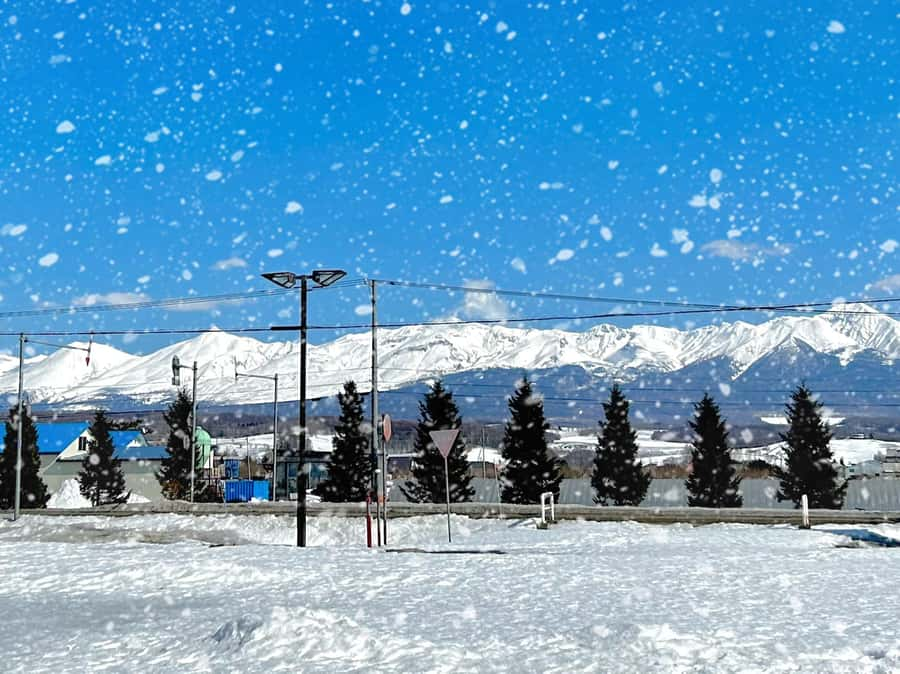
I think this tour suits first-time visitors to Hokkaido, people without a rental car, and anyone who wants several major sights in one day. It also works well for families who prefer a guide and bus rather than figuring out regional transport.
It is a good match for you if:
- You are staying in Sapporo and want to see Biei and Furano.
- You enjoy flower fields, scenic drives, and easy photo stops.
- You want English, Chinese, or Japanese support.
- You prefer a planned lunch and organized transport.
- You are happy with a full day and fixed departure times.
I would be more cautious if you dislike coach travel, need a slow pace, or want to guarantee peak lavender. The route covers a lot of ground, and the long transfers are part of the price of seeing central Hokkaido in one day.
The tour has a 4.5 rating from 28 reviews, with especially strong praise for the guide, communication, bus comfort, and organization. One person described it as a useful way to see more of Hokkaido when renting a car was not possible. That is the clearest way to understand the product: it is a practical sightseeing solution, not a private countryside retreat.
Final verdict: a strong value for a packed Hokkaido day
I would book this tour if I had limited time in Sapporo and wanted to see more than the city. The combination of Biei’s Patchwork Road, the Blue Pond, Shikisai-no-Oka, and either Farm Tomita or Ningle Terrace gives you a satisfying spread of scenery and local stops for $69.
Choose the September departure for Farm Tomita and the strongest flower-farm focus. Choose the October 1 to October 15 departure if Ningle Terrace’s handmade crafts and wooden forest setting sound more appealing.
Before booking, confirm the meeting point, lunch option, and seasonal route. Arrive early, leave space in your evening, and do not schedule a same-day flight. With those conditions understood, this is a sensible, well-priced way to sample Hokkaido’s countryside without renting a car.
FAQ
What places are included in the tour?
The tour includes Biei’s Patchwork Road, Shirogane Blue Pond, Shikisai-no-Oka, and a seasonal final attraction. From September 1 through September 30, that attraction is Farm Tomita. From October 1 through October 15, it is Ningle Terrace instead.
Is Farm Tomita included in October?
No. From October 1 through October 15, Farm Tomita is replaced by Ningle Terrace, which lasts approximately 40 minutes.
Is lunch included?
Lunch is included only with the package option that specifies it. The meal is served at a local Furano-style restaurant. The no-lunch option allows you to order a simple Japanese set menu separately.
Is the Blue Pond included?
Yes. Shirogane Blue Pond, also called Aoiike, is listed as one of the tour stops.
What languages are available?
The tour offers Chinese, English, and Japanese. Guides may speak more than one of these languages.
Can infants join for free?
Infants aged 0 to 2 can travel free without occupying a seat. This does not include a seat or meal. If you need both for an infant, the child rate applies.
Just added around Japan
- Private tour – Scenic Fuji Escape: Hakone, Peace Park & More★ 5.0 · 4 reviews
- TOKYO: Tailored Gardens tour with Pro Gardener by E-bike -BASIC★ 5.0 · 2 reviews
- Tsukiji Food Strolling and Hama Rikyu Garden Walking Tour★ 5.0 · 7 reviews
- Tokyo: Serene Sakura & Sake: An Exclusive Brewery Pairing Lunch★ 5.0 · 2 reviews
- Tokyo Cherry Blossom Half Day Walking Tour with a Local Guide★ 3.5 · 4 reviews
- Cherry Blossom Highlights, Asakusa, Ueno, Imperial Palace Garden★ 4.5 · 4 reviews
- Full Guided Mt. Fuji & Shiba-Sakura Festival One Day Pvt.Tour★ 5.0 · 6 reviews
- Licensed Guide Tokyo Meguro Cherry Blossom Walking Tour★ 4.5 · 13 reviews
Lavender Field Tours, compared.
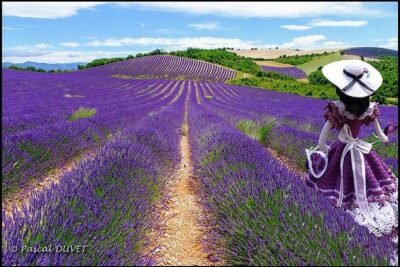
Gorges of Verdon and Fields of Lavender Tour
Read our review →
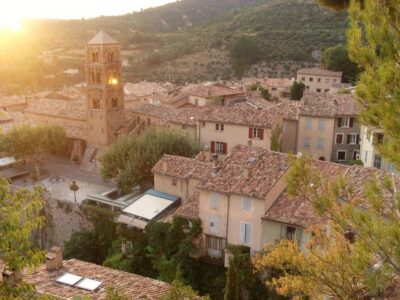
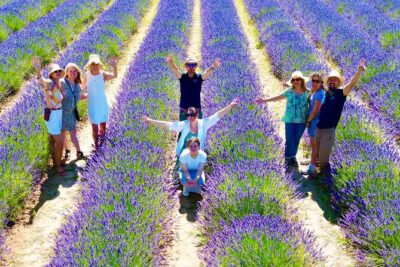
Provence Lavender Fields Tour from Aix-en-Provence
Read our review →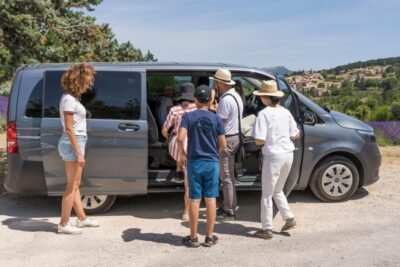

Browse the lists this tour appears in