
Review · KYOTO
Kyoto: Kinkaku-ji Temple & Serene Garden Tour with Tickets
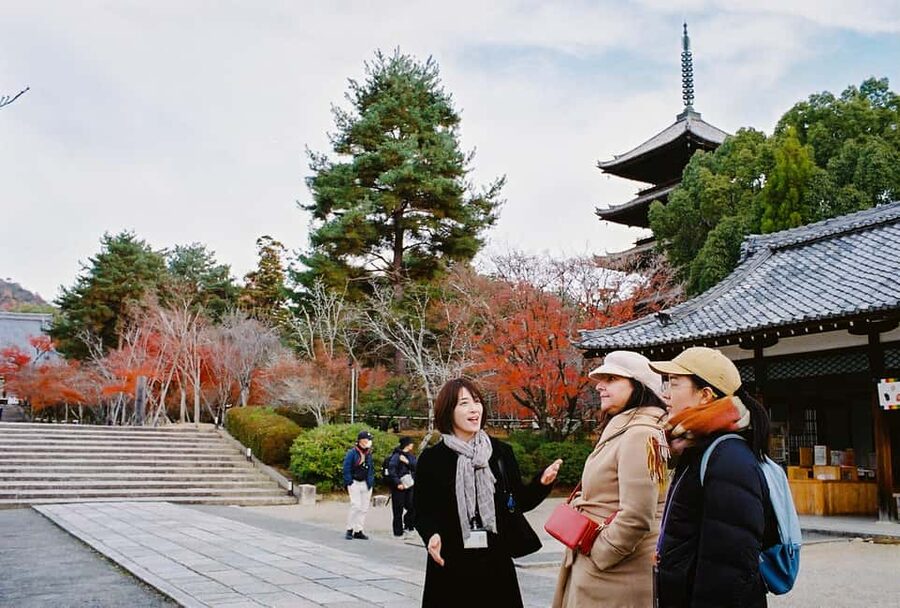
Golden shine meets quiet prayer. This Kyoto walk pairs Kinkaku-ji, the Golden Pavilion, with the calmer grounds of Ninna-ji, then adds a monk-led chanting session and access to temple areas many visitors do not see. I like the small group, limited to seven people, and the chance to ask questions during a real Buddhist program. The main consideration is the pace: two temples, walking, and a 150-minute to three-hour schedule may feel long for anyone with mobility limits.
The guide can make a major difference here. Satomi earned praise for making history, culture, and architecture easy to understand, while Annie was especially good at answering questions and showing less commonly viewed spaces. That personal help matters at Kinkaku-ji, where the crowds and famous photo stop can otherwise leave you with little sense of what you are seeing.
You meet in front of Kinkaku-ji Temple, and the tour ends at Ninna-ji. Wear comfortable shoes, bring a camera, and check the exact start time when booking. The price is $48 per person, including both temple admissions, the taxi from Kinkaku-ji to Ninna-ji, an English-speaking guide, and the special monk-led activities.
Key points at a glance
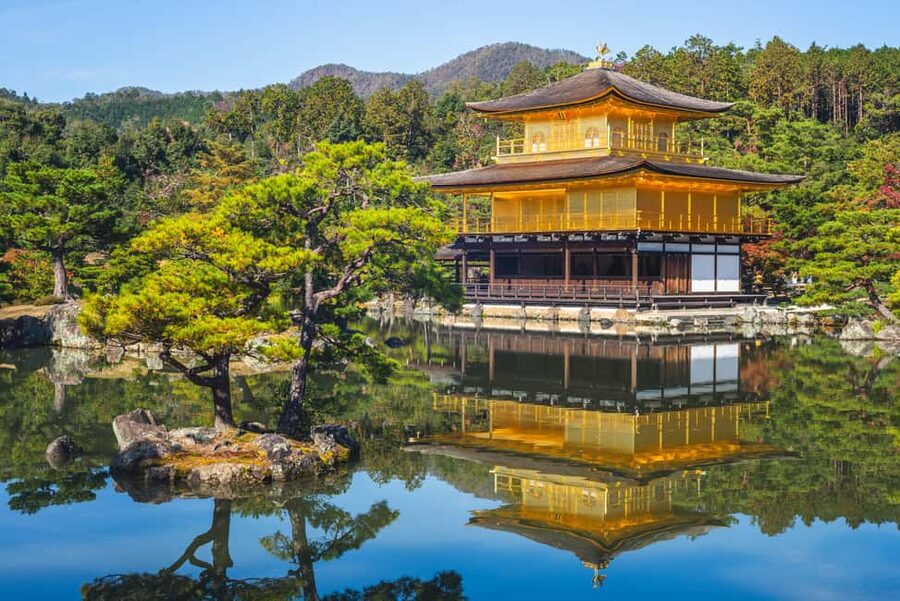
- Two very different UNESCO temples: Kinkaku-ji offers samurai-era grandeur, while Ninna-ji brings imperial connections, quiet gardens, and Buddhist practice.
- A monk-led chanting session: At Ninna-ji, you can enter the Main Hall for chanting and then ask questions directly.
- Rare access inside temple spaces: The tour includes the Golden Hall, a National Treasure, and the Sutra Hall with its rotating sutra shelf.
- A small group of seven or fewer: You have a better chance to hear the guide and ask questions than on a large coach tour.
- A useful taxi transfer: The ride from Kinkaku-ji to Ninna-ji saves time and connects the two sites without making you arrange local transport.
- Good value for a short Kyoto tour: Admissions, transportation between temples, guiding, and special access are included in the $48 price.
Why these two Kyoto temples work well together
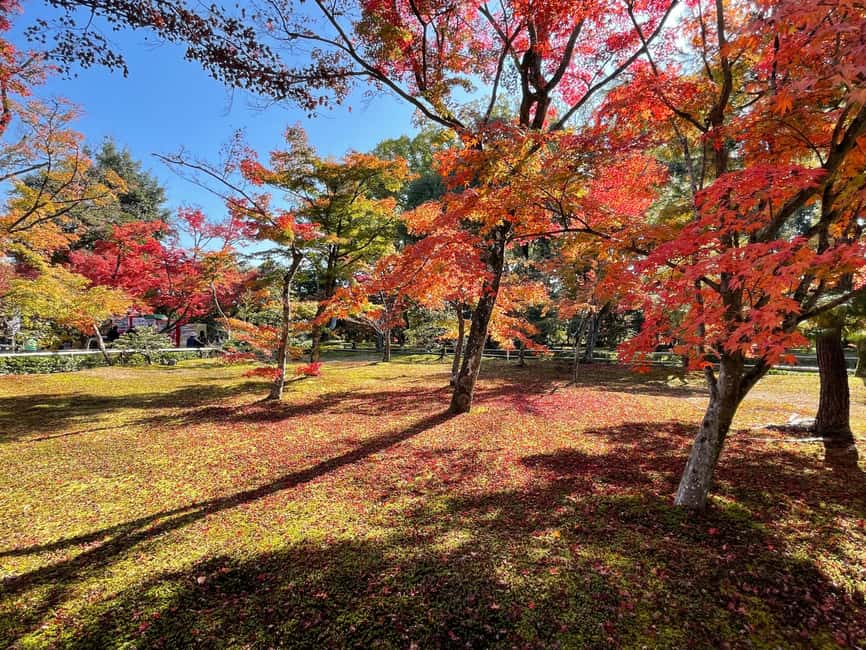
Kinkaku-ji and Ninna-ji show two different sides of Kyoto. The first is polished, dramatic, and instantly recognizable. The second is quieter and more connected to imperial tradition and religious practice.
That contrast gives the tour a clear purpose. You are not simply checking off two temples. You are comparing power, prestige, devotion, architecture, and garden design in one outing.
Kinkaku-ji was built by a samurai, and its golden exterior makes that message hard to miss. Ninna-ji carries an imperial connection and a calmer mood. I like that the tour does not treat Buddhism as only an architectural subject. The chanting, monk Q&A, and Sutra Hall visit give you a glimpse of how the spaces are used.
The two sites are also close enough to combine efficiently, but far enough apart that the taxi transfer is welcome. You avoid wasting part of the afternoon figuring out the connection yourself.
More Tickets in Kyoto:
- Kyoto: Kinkaku-ji Temple & Serene Garden Guided Tour with Tickets
★ 5.0 · 9 reviews - Paris: Versailles Palace and Gardens Full Access Ticket
★ 4.6 · 41,579 reviews - Marrakesh: Majorelle Garden Entry Tickets
★ 4.5 · 9,651 reviews
Starting at Kinkaku-ji, Kyoto’s famous golden view
The tour begins in front of Kinkaku-ji Temple. This meeting point is easy to understand, but you should arrive with enough time to find the guide and settle in before the walk begins.
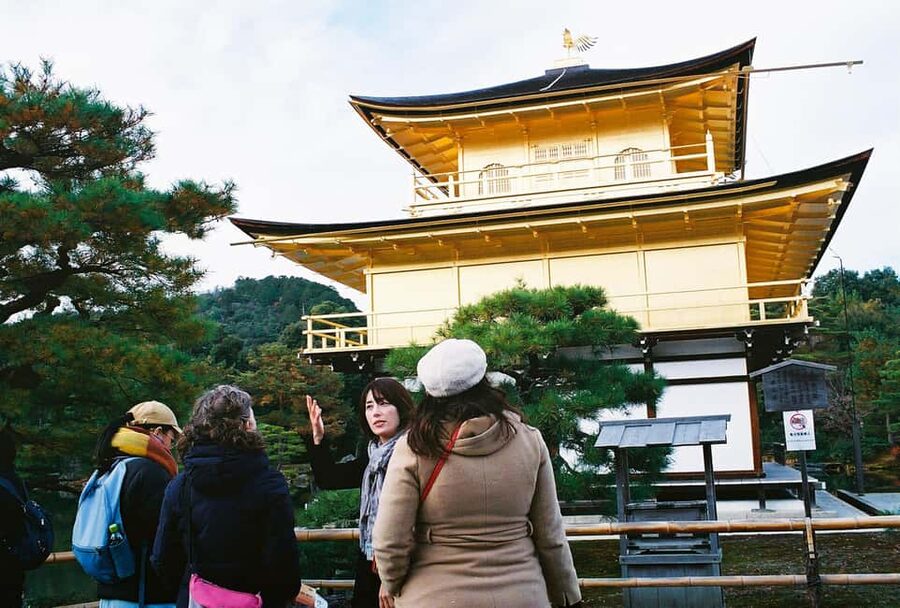
Your first hour focuses on Kinkaku-ji. The main attraction is the Golden Pavilion, officially known as Kinkaku-ji. Its bright gold façade catches attention immediately, but the guide helps place it in context. You learn about its creation by a samurai and the way the temple reflects status, taste, and religious purpose.
The building is viewed from the temple grounds, with the surrounding garden providing the setting for photographs. This is the classic Kyoto picture, so expect the pavilion itself to be the visual focus. If you arrive hoping for a long, quiet look at the building, keep your expectations measured. Kinkaku-ji is one of Kyoto’s best-known sights, and the visit is designed as a guided sightseeing stop rather than a private garden meditation.
Still, the guide adds real value. Satomi was praised for explaining Japanese history, culture, and architecture in a friendly and flexible way. That kind of interpretation keeps the visit from becoming a quick glance at a gold building followed by a hurried exit.
You will walk through the picturesque gardens and hear why the site matters. I especially like this part for first-time visitors who know the image of Kinkaku-ji but do not yet understand the relationship between the pavilion, the garden, samurai power, and Buddhist tradition.
Bring a camera, but do not let the photo stop become the entire visit. The garden setting is part of the appeal, and the guide can help you notice more than the shiny façade.
The short taxi ride to Ninna-ji
Transportation from Kinkaku-ji to Ninna-ji is included. The transfer is by taxi, which makes the connection simple and protects your limited tour time.
This is a small but useful inclusion. You do not have to navigate a separate fare or decide how to reach the second temple. It also helps the tour maintain its compact schedule.
The exact total duration can range from 150 minutes to three hours, depending on the available starting time and how the visit runs. For planning purposes, leave room around the activity rather than scheduling a tight meal, train, or reservation immediately afterward.
The taxi ride also marks a change in tone. Kinkaku-ji is the high-profile stop. Ninna-ji offers more room for religious context, conversation, and special access.
Ninna-ji and the quieter side of Kyoto
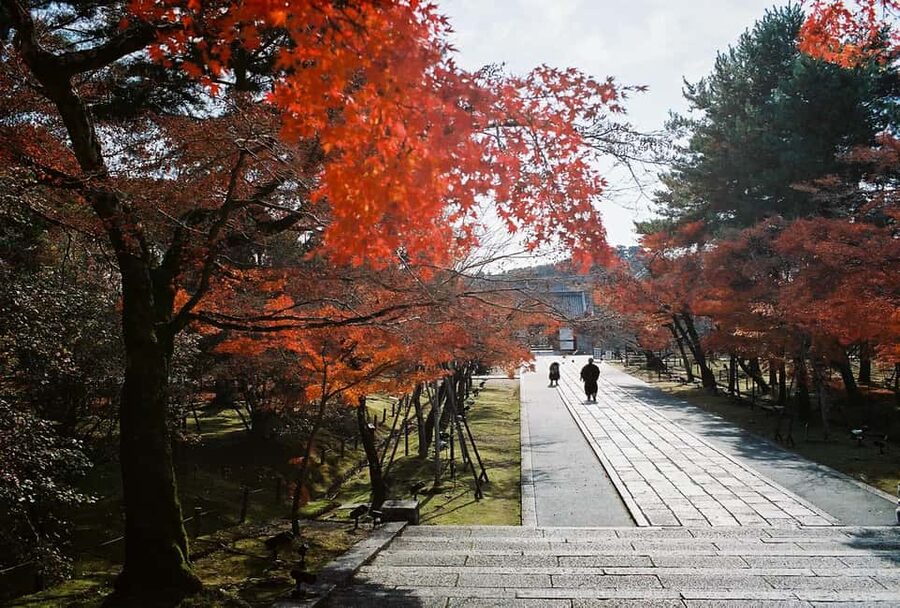
You spend about 105 minutes at Ninna-ji, which is longer than the Kinkaku-ji portion. That timing makes sense because the visit includes more than outdoor sightseeing.
Ninna-ji is tied to Kyoto’s imperial heritage, and the tour presents it as a place of devotion as well as beauty. The grounds and buildings have an elegant, restrained character that contrasts nicely with Kinkaku-ji’s display of gold.
The guide explains the role of Buddhist temples and the traditions connected with the site. You are not simply walking past buildings. You get a clearer sense of how power, court culture, and religious life overlapped in Kyoto.
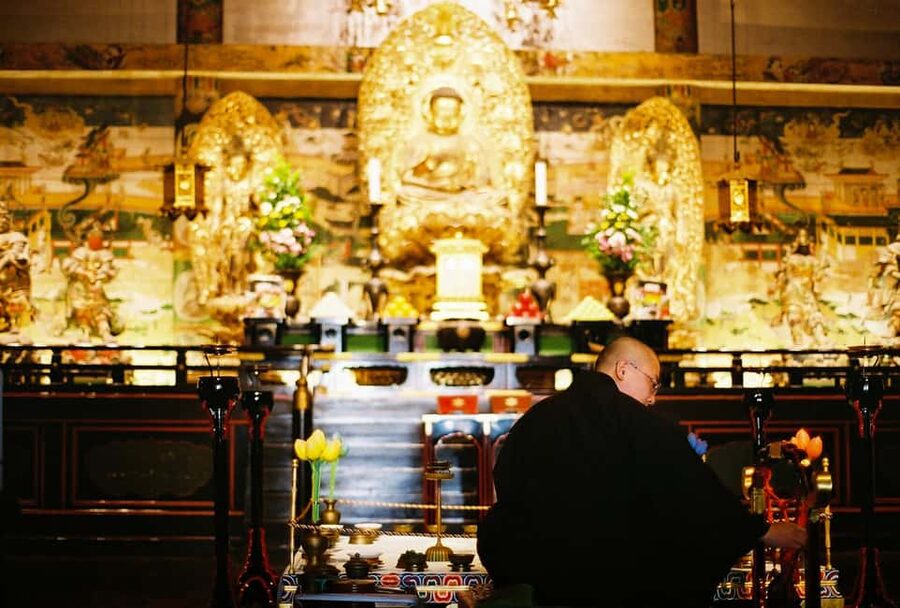
One of the strongest parts is access to the Main Hall for a sacred chanting session led by a monk. This is not just another explanation from a guide. You are invited into a religious setting and given a chance to hear part of its practice.
The experience calls for quiet attention and respect. Keep your camera away during moments when photography is not appropriate, and follow the monk’s instructions. The value here comes from being present, not from collecting another quick photograph.
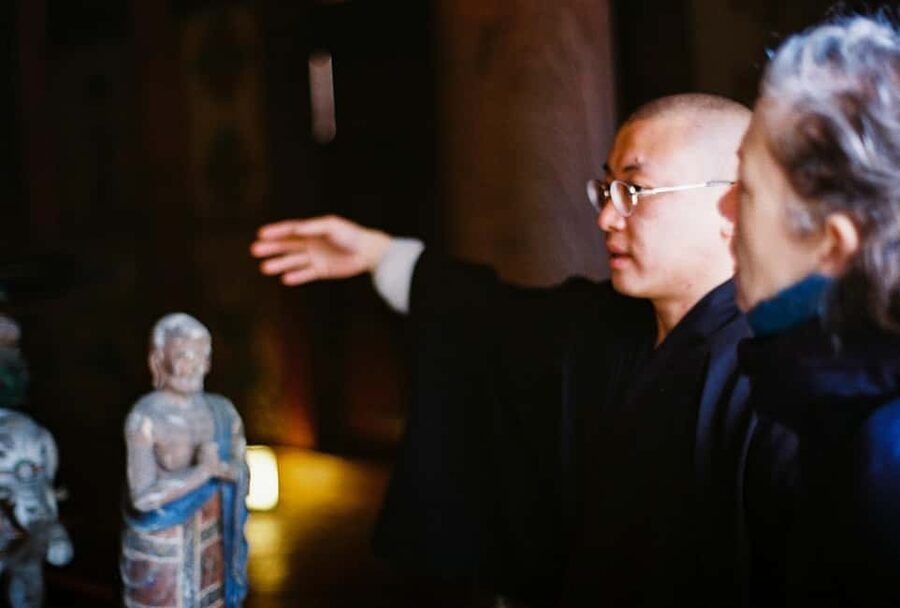
After the chanting, you can take part in a Q&A with the monk. This is a major reason to choose this tour instead of visiting both temples alone. You can ask about Buddhism and its spiritual traditions in a direct, personal setting.
Annie received praise for answering questions and helping participants see areas that are not normally viewed. That is useful at Ninna-ji, where the meaning of a hall or ritual may not be obvious from the outside.
More Garden Tours in Kyoto:
- Kyoto Zen Meditation & Garden Tour at a Zen Temple with Lunch
★ 5.0 · 441 reviews - Kyoto Arashiyama Bamboo forest & Garden Half-Day Walking Tour
★ 5.0 · 413 reviews - Kyoto Kiyomizu Tea Ceremony with Scenic Garden Views
★ 5.0 · 101 reviews - Kyoto: Private Tea Ceremony with a Garden View
★ 4.9 · 61 reviews
The Golden Hall and Sutra Hall access
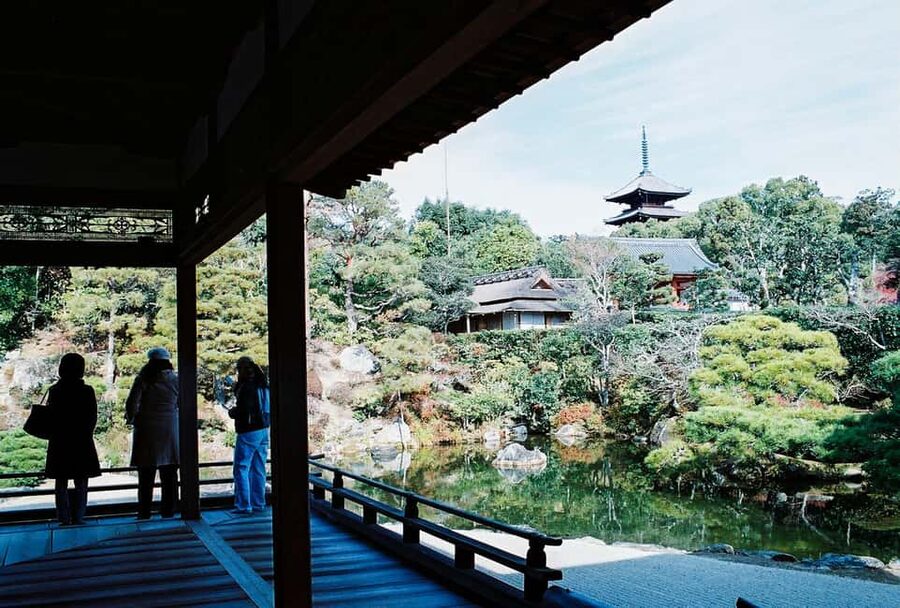
The tour includes exclusive access to the Golden Hall, described as a National Treasure, and the Sutra Hall. These interior visits add substance to the tour.
At the Golden Hall, you can appreciate a part of Ninna-ji that many independent sightseers may not reach. The setting gives the guide a chance to explain the building’s importance in a more focused way.
The Sutra Hall offers another distinctive moment. You can see and interact with the rotating sutra shelf. The movement is part of a religious ritual with serious meaning, so it is worth listening carefully before touching or turning anything.
This is the sort of detail I value in a guided visit. A rotating shelf might look like an unusual object if you encountered it alone. With context, it becomes connected to Buddhist practice and the preservation or reading of sutras.
The special access also helps justify the tour price. Kinkaku-ji is easy to recognize, but Ninna-ji supplies the less obvious experiences that make the afternoon feel more than a standard sightseeing loop.
An unusual chance to speak with a monk
The monk-led session is the most distinctive feature of the experience. You hear chanting in the Main Hall, ask questions, and have the opportunity to take a photograph with the monk afterward.
That combination makes the visit personal without pretending that a short tour can explain all of Buddhism. You get an introduction, not a complete religious education. The guide remains important because they help frame what you see before and after the session.
The photo with the monk is optional in spirit, even if it is included as part of the planned experience. Be polite about the moment and let the religious setting guide your behavior.
I would choose this tour mainly for the chance to ask questions and enter places that are not normally viewed. The Golden Pavilion is the hook, but Ninna-ji is where the tour becomes more unusual.
Is $48 a fair price?
At $48 per person, this tour offers solid value if you want more than exterior temple views.
You receive admission to Kinkaku-ji and Ninna-ji, an English-speaking guide, the taxi between the sites, access to the Golden Hall and Sutra Hall, a monk-led chanting session, a Q&A, and a small group capped at seven people. Paying separately for every piece would take time and planning, even if the total cost were not much higher.
The small group is important. A guide working with seven people can usually respond to questions more easily than someone leading a large group. The personal attention is especially useful during the monk Q&A, where a large crowd could make the exchange feel rushed or impersonal.
The price is less attractive if you only want to photograph Kinkaku-ji. You can visit the famous pavilion without paying for a guided experience. The $48 makes the most sense for someone who values interpretation, special access, and the Ninna-ji religious program.
Timing, walking, and practical limits
The listed duration ranges from 150 minutes to three hours. That is a manageable half-day activity, but the range means you should check the start time and plan your day with some flexibility.
You will be walking through temple grounds, so comfortable shoes are essential. The tour is not suitable for wheelchair users, and baby strollers are not allowed. Those limits matter because temple visits can include uneven or inconvenient paths, though no detailed surface information is provided here.
The meeting point is in front of Kinkaku-ji Temple. The stated starting information also refers to two possible starting locations, including Yamazaki-an, so confirm the precise meeting instruction for your chosen departure time.
The advertised drop-off is at Ninna-ji Temple. That is useful if you plan to continue in the same part of western Kyoto, but it means you should arrange your return route afterward.
Free cancellation is available up to 24 hours before the activity for a full refund, and you can reserve now and pay later. Those terms help if your Kyoto schedule is still shifting.
Who will enjoy this temple tour most?
I would recommend it to first-time Kyoto visitors who want a clear introduction to Buddhist temples without spending a full day on formal study.
It also suits travelers who appreciate architecture and gardens but want cultural explanation to go with the photographs. The combination of samurai power at Kinkaku-ji and imperial heritage at Ninna-ji creates a useful framework for understanding Kyoto.
The tour is a good fit for curious people who like asking questions. Satomi and Annie were both praised for their ability to explain and respond, and the small group gives you a better chance to speak up.
I would be more cautious about recommending it to visitors who dislike organized schedules, cannot walk comfortably, or only want unstructured time in the gardens. Kinkaku-ji receives the shorter visit, and Ninna-ji includes a planned chanting session, so this is not a free-form temple wander.
Should you book it?
Book this tour if you want the famous Golden Pavilion plus a more personal look at Buddhist practice. The monk-led chanting, Q&A, Golden Hall, Sutra Hall, and small group are the strongest reasons to choose it.
Skip it if you already know both temples well or prefer to explore without a guide. For most first-time visitors, though, $48 is a reasonable price for two admissions, a taxi transfer, expert interpretation, and access that adds real meaning to the visit.
The best reason to book is the contrast. Kinkaku-ji gives you the unforgettable golden image. Ninna-ji gives you quieter gardens, imperial connections, and a chance to listen, ask, and learn.
FAQ
How much does the Kyoto temple tour cost?
The tour costs $48 per person.
How long does the experience last?
The duration is listed as 150 minutes to three hours. Available starting times can affect the schedule.
Which temples does the tour visit?
The tour visits Kinkaku-ji, also called the Golden Pavilion, and Ninna-ji Temple.
Is admission to both temples included?
Yes. Admission fees for Kinkaku-ji and Ninna-ji are included.
Is transportation included between the temples?
Yes. A taxi transfer from Kinkaku-ji to Ninna-ji is included.
Is the tour conducted in English?
Yes. It includes a live English-speaking guide.
How large is the group?
The tour is limited to seven participants.
Can I meet a monk during the tour?
Yes. The experience includes a chanting session led by a monk, a Q&A session, and a photo opportunity with the monk.
Where does the tour start and finish?
The meeting point is in front of Kinkaku-ji Temple. The stated drop-off location is Ninna-ji Temple.
Is the tour suitable for wheelchair users or baby strollers?
The tour is not suitable for wheelchair users, and baby strollers are not allowed.
Just added around Kyoto
- Stunning Private Tea Ceremony: Camellia Garden Teahouse★ 5.0 · 28 reviews
- Kyoto-Nara Adventures Private Tour With Hotel Pick Up★ 4.0 · 5 reviews
- Kyoto Hidden Treasures: Special Temple & Garden Access Tour★ 4.5 · 25 reviews
- Kyoto Japanese Garden Lover’s Private Tour with Government-Licensed Guide★ 4.5 · 10 reviews
- Guided Kyoto City Cherry Blossom One Day Private Tour★ 5.0 · 16 reviews
- Kyoto: Kinkaku-ji Temple & Serene Garden Guided Tour with Tickets★ 5.0 · 9 reviews
- Kyoto ITALIAN GUIDE Golden Pagoda Bamboo Forest Dry Garden★ 4.0 · 2 reviews
- The Art of Mindful Living: Tea Ceremony in Kyoto★ 5.0 · 16 reviews
Kyoto Garden Tours, compared.
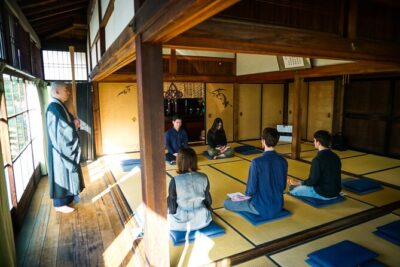
Kyoto Zen Meditation & Garden Tour at a Zen Temple with Lunch
Read our review →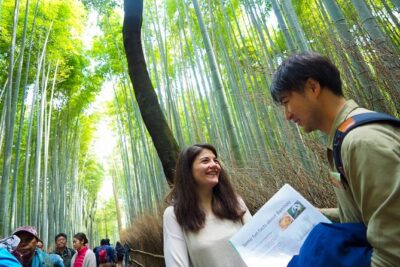
Kyoto Arashiyama Bamboo forest & Garden Half-Day Walking Tour
Read our review →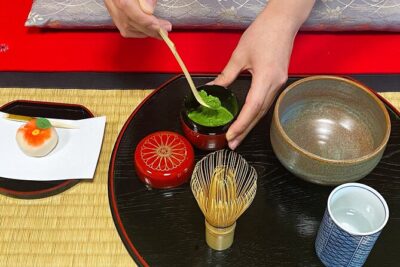
Kyoto Kiyomizu Tea Ceremony with Scenic Garden Views
Read our review →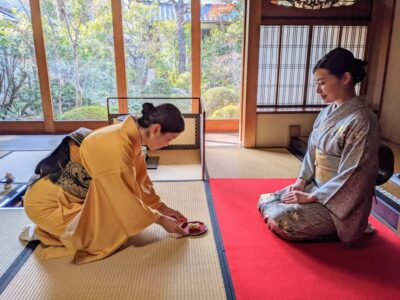
Stunning Private Tea Ceremony: Camellia Garden Teahouse
Read our review →
Kyoto Hidden Treasures: Special Temple & Garden Access Tour
Read our review →
Browse the lists this tour appears in