
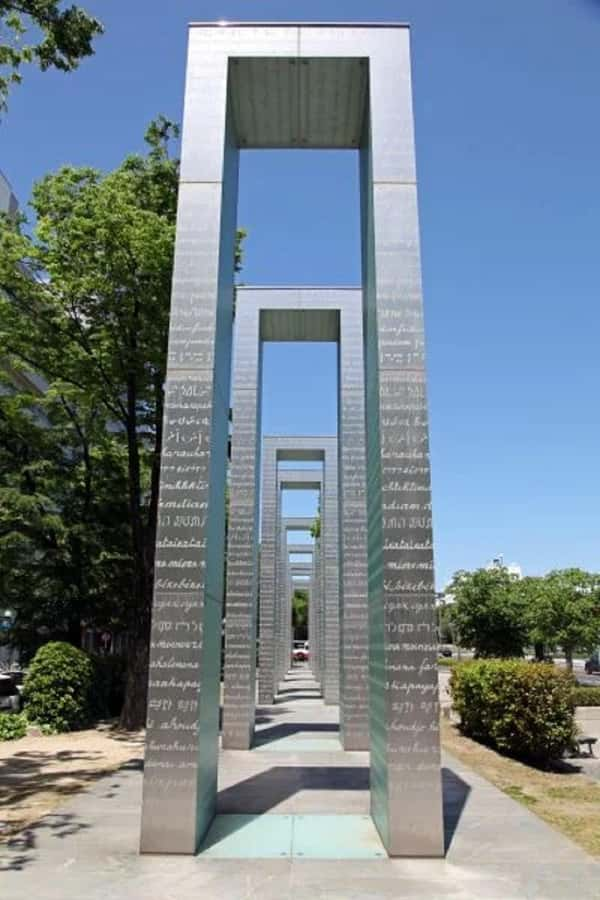
Review · JAPAN
Peace Memorial Park, Hiroshima Castle, & Garden Private Tour
Start with Hiroshima’s hardest lesson. This private walking tour links the Atomic Bomb Dome, Peace Memorial Museum, Hiroshima Castle, and Shukkeien Garden in one compact visit. I like the personal guide, included admission tickets, and the useful advice guides such as Preety have offered for visiting Miyajima afterward. The main caution is time: the advertised 150 minutes is brisk for so many stops.
I also like the strong contrast between the quiet memorial sites, the castle’s samurai-era setting, and Shukkeien’s ponds and bridges. That mix gives you three very different views of Hiroshima. The Peace Memorial Museum can be emotionally heavy, and its quiet rules mean you should be ready for a serious final stop rather than a casual sightseeing finish.
Key points at a glance
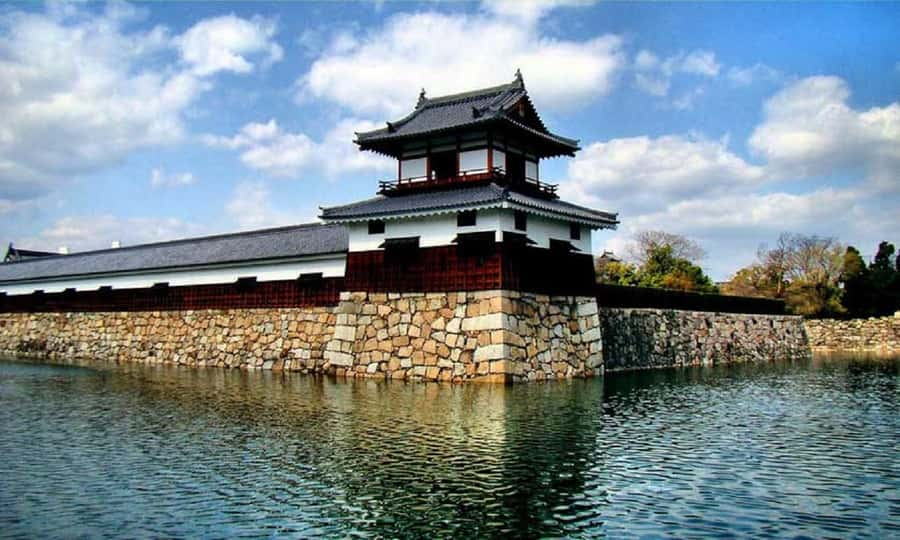
- Three sides of Hiroshima in one private visit: You move from wartime memory to feudal history and then to traditional garden design.
- The Peace Memorial Museum is the emotional center: Its exhibits explain the events leading to the bombing and the human cost that followed.
- Shukkeien offers a gentle opening or closing note: The 25-minute garden visit gives you ponds, bridges, and carefully shaped scenery in the city center.
- Your guide can adjust the experience: Family feedback specifically praised the way the guide kept children engaged and shared ideas for other places to eat and visit.
- Admission is included: The $82 price covers entry to the museum, Hiroshima Castle, and Shukkeien Garden, along with a private guide and tour photos.
- Plan for a fast pace: Comfortable shoes, water in summer, warm clothing in winter, and a little flexibility will make the walk easier.
Why this Hiroshima combination works
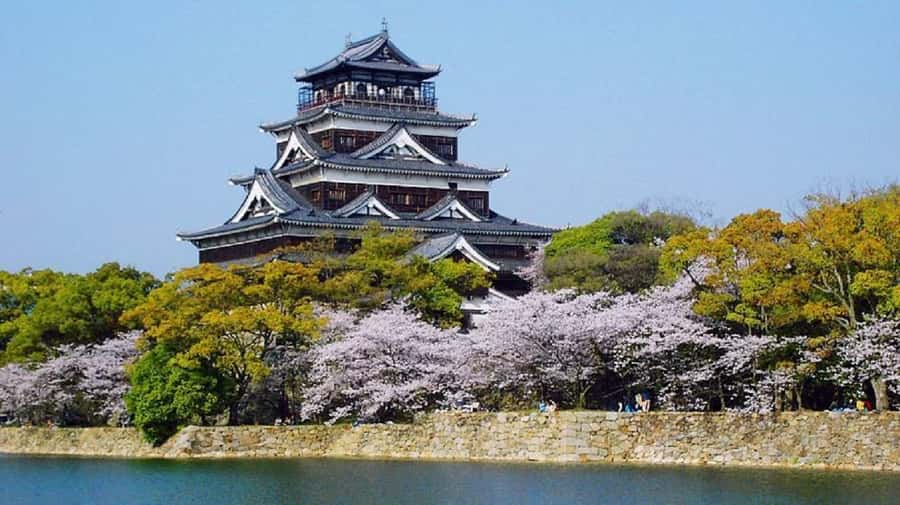
Hiroshima can be hard to plan because its major sights tell very different stories. The Peace Memorial Park asks for quiet reflection. Hiroshima Castle takes you back to Japan’s feudal period. Shukkeien Garden slows the pace with water, greenery, bridges, and traditional design.
I like the way this tour puts those subjects together without making you choose just one. A guide can explain the details you might pass without noticing, then help connect each place to the wider story of the city. That is especially useful if you have only a short stay in Hiroshima or want an introduction before exploring on your own.
The private format is important here. You are not tied to a large group, and the guide can keep the conversation suitable for your party. One family found that the guide adjusted the experience for children, while other feedback praised the guides for being patient and helpful even when rain caused a late arrival.
The price is $82 per person. That is not the cheapest way to visit these sights, but admission to three attractions is included, along with a private English-speaking guide, walking tour, optional nearby pickup, and tour photos. If you value context and convenience, the cost is reasonable. If you are comfortable reading museum information alone and moving between sights without help, you could spend less by visiting independently.
More Garden Tours in Japan:
- Osaka: teamLab Botanical Garden Entry Ticket
★ 4.5 · 1,710 reviews - Imperial Palace East Garden and Edo Castle Walking Tour in Tokyo
★ 5.0 · 510 reviews - Kyoto Zen Meditation & Garden Tour at a Zen Temple with Lunch
★ 5.0 · 441 reviews
Shukkeien Garden, a calm start or finish
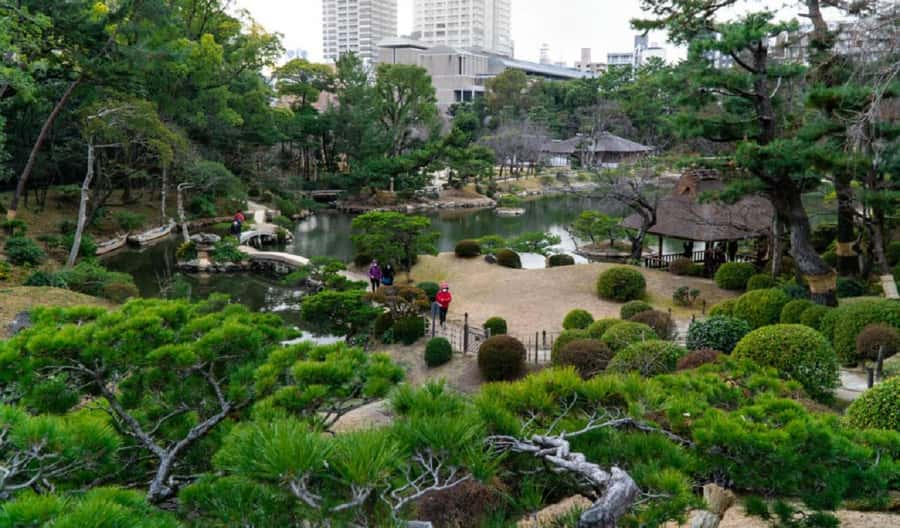
The listed visit to Shukkeien Garden lasts about 25 minutes. That is enough for a guided look at the main character of the garden, but not enough for a long, unhurried wander.
Expect ponds, bridges, shaped plantings, and small views designed to change as you walk. Shukkeien is not simply a patch of green space. Its appeal comes from the controlled arrangement of water, paths, and carefully framed scenes. Your guide can point out details that are easy to overlook if you are moving quickly.
The garden is a smart counterpoint to the Peace Memorial Museum. If you visit it first, it gives you a quiet beginning before the more serious history later in the day. If the order changes, it can offer some breathing room after the castle and memorial sites.
One practical point: the tour description lists Shukkeien first, while the overview presents Peace Park as the opening destination. Your starting location depends on the option you select, so check the confirmed meeting details. The meeting choices include Hiroshima Station or Shukkeien Garden near the station.
The garden visit may feel short if you love Japanese gardens. I would treat it as an introduction, not a full garden study. If Shukkeien is high on your list, you may want to return later with more time.
Hiroshima Castle and the samurai-era setting
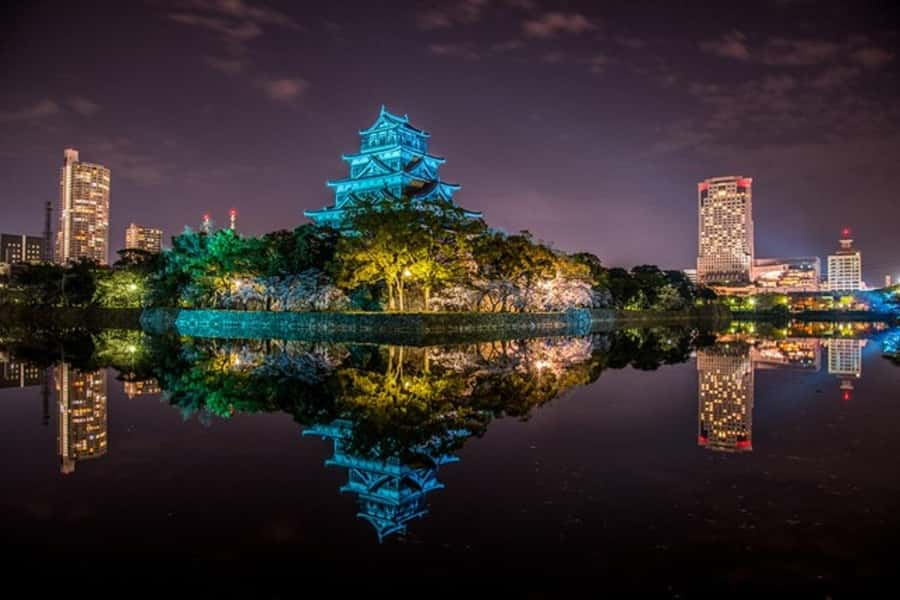
Next comes Hiroshima Castle, with about 30 minutes for a guided visit. The castle gives the tour a clear change of tone. After the modern history of the memorial sites, you are looking at a fortress connected with Japan’s feudal past.
Inside, you can expect rooms and displays that help explain the castle’s place in Japanese history. The tour description also includes time to ascend its tower, giving you a higher view over the surrounding city. The visit is not just about taking a castle photo. It is a chance to see how Hiroshima’s earlier political and military life fits into the city’s story.
Gokoku Shrine is within the castle grounds and is included as one of the highlighted places. Your guide can explain the shrine’s setting and its relationship to the castle area. This is one of the advantages of having a local guide: you get more than a quick walk around the main structure.
Thirty minutes is a short visit for anyone who wants to study every display. It works better if you want an overview and a few key explanations. Those with a strong interest in castle architecture or samurai history may want to return independently.
The castle portion is also worth considering for mobility and comfort. The tour is wheelchair accessible, but a castle visit can involve movement through interior spaces and an ascent. Ask ahead about the exact route if your group has particular access needs.
Peace Memorial Museum, the tour’s serious heart
The Peace Memorial Museum receives about one hour of guided attention and is the final stop according to the tour information. That placement matters. You finish with the most difficult material, rather than trying to shift from the museum straight into light sightseeing.
The exhibits cover the events leading up to the atomic bombing and the devastating aftermath. The material is direct and emotional. You should expect personal stories and historical evidence that require time and quiet attention.
Speaking is prohibited inside the museum so people can reflect in silence. English information is available for you to read, and the guide’s main explanations take place around the museum rather than through casual conversation inside it. This is useful to know before you arrive, especially if you expect a lively guided discussion throughout the visit.
An hour gives you a meaningful introduction, though you may not read every display in detail. If the museum is your main reason for coming to Hiroshima, you may want extra time after the tour. The guided visit helps you understand what you are seeing, but the subject deserves patience.
The emotional weight is the biggest consideration. One person described the museum visit as very moving, and that is a fair warning. You can appreciate the tour without treating the museum like an ordinary attraction. Keep your pace respectful, and allow a little quiet time afterward if possible.
Same place, a different sort of green day out:
- Mt. Fuji Day Trip from Tokyo with English Speaking Driver Guide
★ 5.0 · 443 reviews - Kyoto Arashiyama Bamboo forest & Garden Half-Day Walking Tour
★ 5.0 · 413 reviews - Tokyo: Imperial Palace East Gardens Walking Tour
★ 4.8 · 353 reviews - Mt. Fuji, Cherry Blossom & Shiba Sakura Pvt. Day Tour
★ 5.0 · 326 reviews
The memorial route through Peace Park
The Peace Memorial Park portion is broken into several short visits. Together, these stops create a more complete picture than seeing the Atomic Bomb Dome alone.
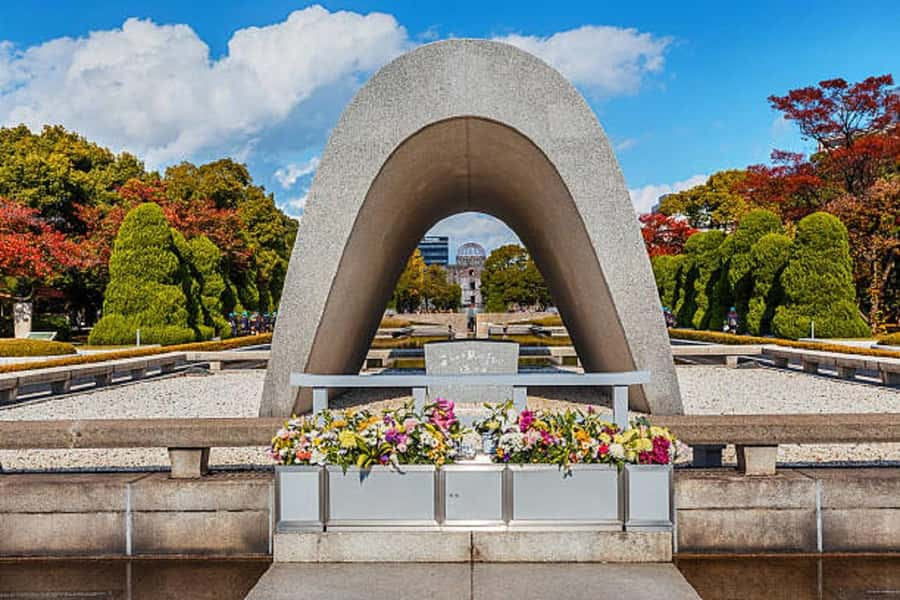
At the Hiroshima Victims Memorial Cenotaph, you pause for about 10 minutes. The stop focuses attention on the people who died, rather than only on the buildings and dates connected with the bombing. A guide can give the site context and help you understand why it is central to the park.
The Flame of Peace receives another 10 minutes. Its location within the memorial area carries a clear symbolic meaning, and the guide can explain its place in Hiroshima’s remembrance of the bombing.
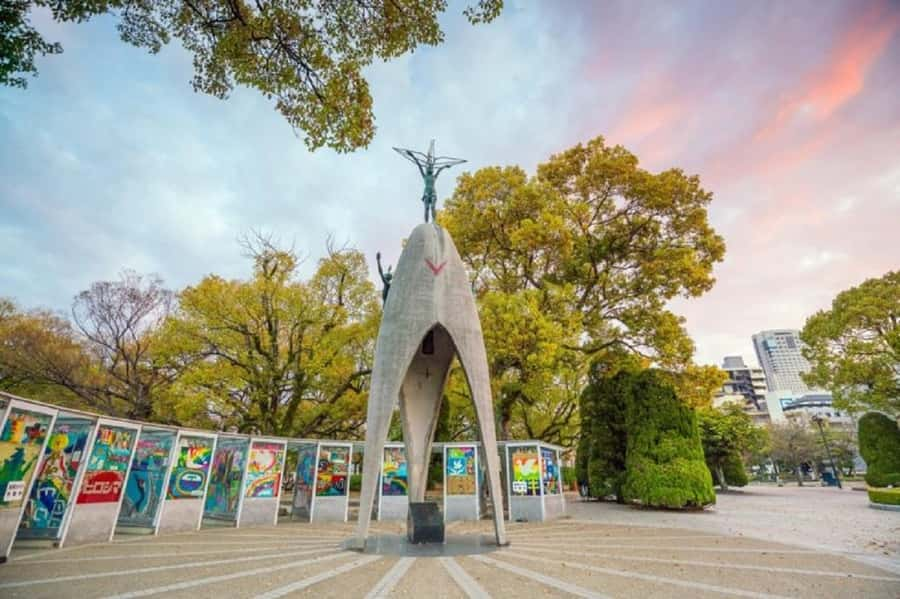
The Children’s Peace Monument also receives about 10 minutes. This stop brings a personal and especially poignant element to the park. The monument is associated with children affected by the bombing, and your guide can explain the story behind it as you visit.
The Atomic Bomb Dome is scheduled for about 10 minutes. Its damaged frame is one of the most recognizable sights in Hiroshima, but a photograph alone cannot explain its importance. The guide helps you understand why this surviving structure became a symbol of the destruction and of the city’s call for peace.
You also visit the Bell of Peace for around five minutes. It is a short stop, but it fits the park’s wider message and gives you another point for quiet reflection.
Finally, the Hypocenter receives about 25 minutes. This is a particularly important stop because it identifies the location directly connected to the blast. The longer time here suggests that the guide will provide more context than at the brief monument stops.
Taken together, these visits are the strongest reason to choose a guide. The park is open and easy to walk through, but the meaning of each place is not always obvious at first glance. A good explanation can turn a string of memorials into a coherent historical visit.
The timing needs a careful look
The advertised duration is 150 minutes, or two and a half hours. That is a useful compact format, but the individual times supplied for the stops add up to more than that. The listed durations total roughly 185 minutes before allowing for walking between sites.
That does not mean the experience will necessarily run longer. Some timings may overlap, or the actual route may be shortened depending on the starting point and pace. Still, I would confirm the expected schedule before booking, especially if you have a train, ferry, restaurant reservation, or another fixed appointment afterward.
The tour ends with up to three drop-off choices: Hiroshima Station, Peace Memorial Park, or the taxi stand at Peace Memorial Park. That gives you a practical way to continue your day, but the exact end time may vary.
The tour is primarily on foot. Pickup from your accommodation may be available if you are within a reasonable walking distance, but hotel pickup and drop-off are not included as a standard service. Food is also not included, so carry water and plan a meal before or after the visit.
Guides, families, and the private format
The guide language is English, and the tour is for a private group. That arrangement suits couples, families, and small groups who want to ask questions without waiting for a large party.
Several guides received warm praise for being friendly and prepared. Preety was especially helpful with directions and suggestions for reaching Miyajima Island. Zunera kept the visit moving despite heavy rain and a late arrival. Those details point to a useful strength: the guide is not only there to repeat facts, but can also help you make sense of the rest of your Hiroshima visit.
For families, the private format can be a real advantage. One family found that the guide adjusted the explanations to keep children engaged. You can also move at a more suitable pace, within the limits of the schedule, rather than asking children to follow an unfamiliar group.
The tour is wheelchair accessible, though you should still confirm the precise route and castle access needs before arrival. Comfortable shoes are essential. Bring sunglasses, a hat, an umbrella, and personal medication as needed.
Weather, clothing, and practical comfort
Hiroshima can be hot in summer, so bring a water bottle. Much of the experience takes place outdoors, including the park, castle grounds, and garden. In winter, dress warmly, since the walk between locations and time outside can feel chilly.
Rain is worth planning for. An umbrella is specifically recommended, and the visit can still continue in poor weather. One guide helped a group manage a late arrival caused by heavy rain, but you should not count on bad weather having no effect on the schedule.
The most important item is a comfortable pair of shoes. You will walk through several locations, and the tour includes outdoor paths, garden routes, and movement around the castle and memorial park. The experience is not physically extreme, but stiff shoes could make the final hour less enjoyable.
Who should book this Hiroshima tour?
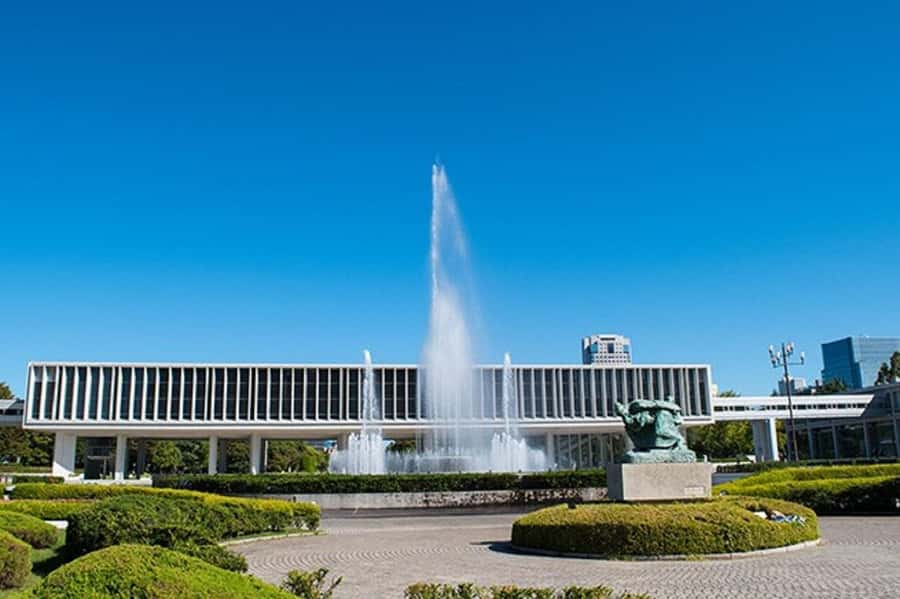
I would recommend it if you want a compact introduction to the city and prefer explanations over independent sightseeing. It is particularly useful for first-time visitors, families, couples, and anyone who wants the major memorial sites placed in context.
It also suits people who value simple planning. The guide, admission tickets, and walking route are arranged for you, and the tour finishes near practical drop-off points. The advice about Miyajima and other places to eat or visit can also help you shape the rest of your stay.
I would hesitate if you dislike strict schedules or want a long museum visit. The Peace Memorial Museum alone can take much longer than the allotted hour, while garden and castle enthusiasts may want more than 25 or 30 minutes at each site.
Should you book it?
Book this tour if you want one private, English-language introduction to Hiroshima’s memorial sites, castle, and garden, with tickets included and a guide to explain the details. The mix is thoughtful, the private format adds flexibility, and the guides have shown care with families, bad weather, and onward planning.
Before paying, confirm the exact start order and timing. The schedule is ambitious, and the Peace Memorial Museum may leave you wanting more time. If you accept that this is an overview rather than a full-day study, the $82 price offers solid value for a focused first look at Hiroshima.
FAQ
How long is the tour?
The advertised duration is 150 minutes, or two and a half hours. The listed stop timings add up to more than that, so confirm the exact schedule and pace when booking.
What language is the tour offered in?
The live tour guide speaks English.
Is this a private tour?
Yes. The experience is for a private group rather than a shared group.
Are admission tickets included?
Yes. Entry to the Peace Memorial Museum, Hiroshima Castle, and Shukkeien Garden is included.
Where can I meet the guide?
Meeting options include Hiroshima Station and Shukkeien Garden near the station. Pickup options depend on the selected booking choice.
Is hotel pickup included?
Pickup from your accommodation on foot may be available if it is within a reasonable distance. Hotel pickup and drop-off are not included as a standard service.
Can I visit the Peace Memorial Museum with a guide inside?
The museum requires visitors to remain silent. English information is available to read inside, and the guide provides explanations around the visit.
What happens if I need to cancel?
You can cancel up to 24 hours in advance for a full refund. A reserve-now, pay-later option is also available.
Just added around Japan
- Private tour – Scenic Fuji Escape: Hakone, Peace Park & More★ 5.0 · 4 reviews
- TOKYO: Tailored Gardens tour with Pro Gardener by E-bike -BASIC★ 5.0 · 2 reviews
- Tsukiji Food Strolling and Hama Rikyu Garden Walking Tour★ 5.0 · 7 reviews
- Tokyo: Serene Sakura & Sake: An Exclusive Brewery Pairing Lunch★ 5.0 · 2 reviews
- Tokyo Cherry Blossom Half Day Walking Tour with a Local Guide★ 3.5 · 4 reviews
- Cherry Blossom Highlights, Asakusa, Ueno, Imperial Palace Garden★ 4.5 · 4 reviews
- Full Guided Mt. Fuji & Shiba-Sakura Festival One Day Pvt.Tour★ 5.0 · 6 reviews
- Licensed Guide Tokyo Meguro Cherry Blossom Walking Tour★ 4.5 · 13 reviews
Japan Garden Tours, compared.
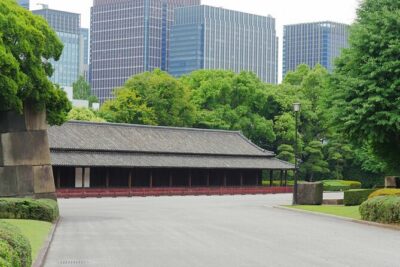
Imperial Palace East Garden and Edo Castle Walking Tour in Tokyo
Read our review →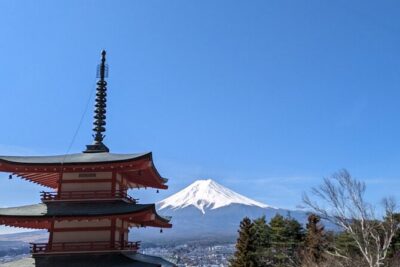
Mt. Fuji Day Trip from Tokyo with English Speaking Driver Guide
Read our review →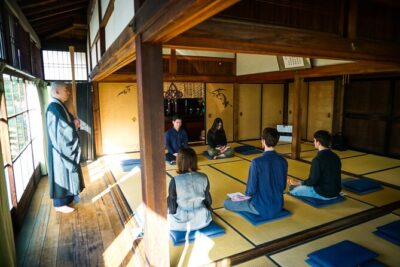
Kyoto Zen Meditation & Garden Tour at a Zen Temple with Lunch
Read our review →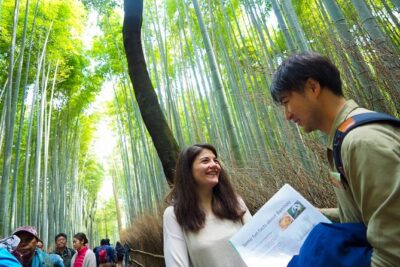
Kyoto Arashiyama Bamboo forest & Garden Half-Day Walking Tour
Read our review →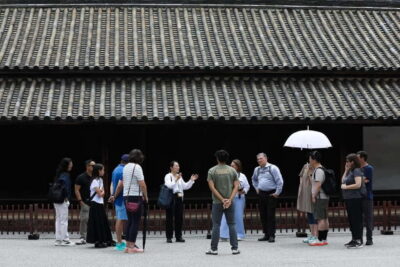
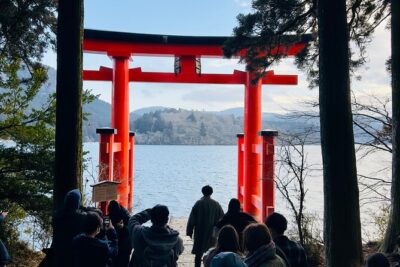
Edo Castle & East Garden of the Imperial Palace Tour
Read our review →Browse the lists this tour appears in