
Review · JAPAN
Kyoto: Zen Meditation and Garden Tour at a Temple with Lunch
Quiet begins before the meditation. This half-day Kyoto experience pairs a guided Zen garden visit with zazen practice at Tofukuji, then finishes with a traditional Buddhist meal. I especially like the thoughtful explanations from guides such as Yutaka and Eri, and the chance to speak with a monk after meditation. The main consideration is that your small tour group may join a larger meditation session, so the room may not feel as private as the booking description suggests.
You spend about four and a half hours moving through temple grounds, gardens, and quiet streets near Tofukuji Station. The $107 price is not cheap, but it covers admissions, a local English-speaking guide, meditation, photos, and lunch. If you want more than a quick temple photo, this gives you a useful introduction to Buddhist ideas and Japanese temple customs.
Key points before you book
- The tour starts at Tofukuji Station: Meet outside Exit 2, beside Family Mart. Getting there on time matters because late arrivals cannot join or receive a refund.
- Kōmyō-in provides the calm opening: You begin with about 40 minutes in a Zen garden, where your guide explains how to look at the garden and think about Zen.
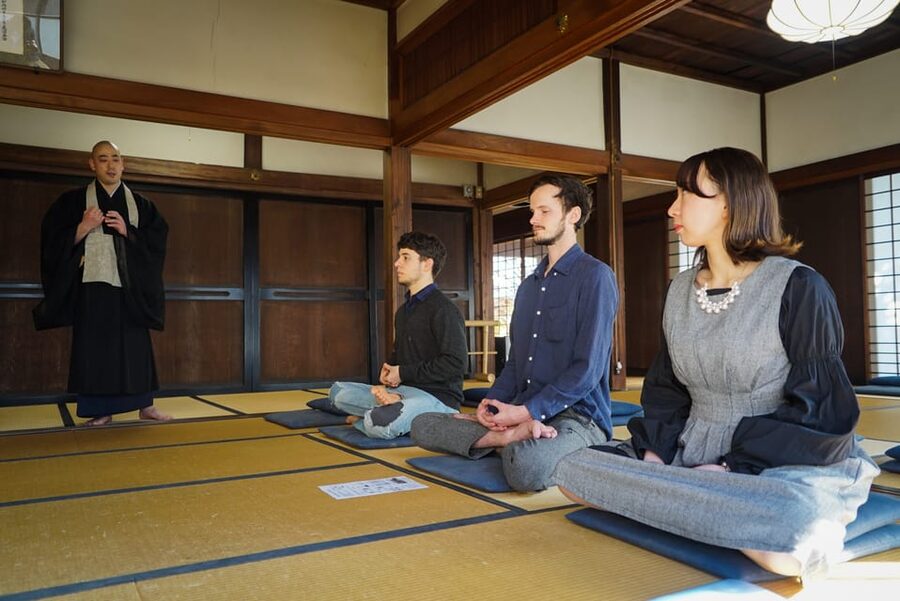
- Zazen lasts about one hour: At Shōrin-ji, also called Bishamon-dō, you learn posture, breathing, and meditation methods in a temple setting.
- The monk conversation adds real value: After sitting, you can discuss the session, with the guide translating questions when needed.
- Lunch is shojin ryori: The meal features vegetables, mushrooms, and seaweed, though the broth contains fish-based dashi and some dairy may be included.
- The meditation room may be larger than expected: The tour itself is limited to seven people, but one past session included around 30 people in an L-shaped room.
Why this Kyoto Zen experience feels different
Kyoto has no shortage of temple tours. Many give you a gate, a garden, a few dates, and a quick explanation before sending you onward. This experience takes a slower route. You first consider what Zen means, then see how that idea appears in a garden, and only after that sit for zazen.
That order makes sense. Zen is not simply a synonym for relaxation or a decorative style of rock and moss. Even in Japan, the word can be hard to explain in a single sentence. A good guide helps you approach it without turning the visit into a lecture on complicated Buddhist terminology.
The strongest part is the connection between the places. Kōmyō-in gives you time to look. Tofukuji gives you historical and architectural context. Shōrin-ji gives you the actual sitting practice. Lunch then gives you another way to think about Buddhist life through food.
The tour has earned a 4.9 rating from 86 reviews, with repeated praise for the guides, the meditation session, and the meal. Yutaka receives especially warm attention for his calm manner, humor, patience, and clear explanations. Other guides, including Louis, Eri, and Tammy, are also praised for their care and preparation. Since guide assignments can change, I would treat these names as examples of the quality people have experienced, not a guarantee of who will lead your group.
More Garden Tours in Japan:
- Osaka: teamLab Botanical Garden Entry Ticket
★ 4.5 · 1,710 reviews - Imperial Palace East Garden and Edo Castle Walking Tour in Tokyo
★ 5.0 · 510 reviews - Kyoto Zen Meditation & Garden Tour at a Zen Temple with Lunch
★ 5.0 · 441 reviews
Meeting at Tofukuji Station
The meeting point is outside Exit 2 of Tofukuji Station, next to Family Mart. This is an easy place to identify once you are at the station, but do not aim for Tofukuji Temple itself. One person had trouble after a taxi driver dropped them at the temple rather than the station, forcing a rushed trip to the meeting point.
From Kyoto Station, use the JR line. Rapid and local trains are both suitable. From Shijo Keihan, take the Keihan line, using a sub-express, semi-express, or local train. Do not take an express train.
This is a tour where punctuality is not a minor detail. The group begins at a fixed time, and the operator states that late arrivals who miss the group cannot join, reschedule, or receive a refund. Build in extra time for finding the correct exit and station area.
The activity lasts 270 minutes, though the listed stops add up to less than that. The remaining time covers walking, explanations, transfers between temples, and the transition to lunch. Wear shoes you can remove easily and clothing that allows you to sit comfortably.
Kōmyō-in Temple and the first look at Zen
Your first proper stop is Kōmyō-in Temple, where you spend about 40 minutes. This garden visit is more than a pleasant pause. Your guide explains basic Zen ideas and offers suggestions for reading the garden, including how its arrangement can encourage stillness and attention.
This is a good opening for anyone new to Japanese gardens. You are not expected to arrive with a background in Buddhism or meditation. The guide supplies the basic framework, then gives you time to notice the garden for yourself.
I like that the tour does not rush straight into a formal meditation session. For many people, sitting cross-legged in silence with a monk can feel intimidating. Beginning in a garden makes the subject approachable and gives you a little time to adjust to the quiet pace.
The drawback is timing. Forty minutes can pass quickly, especially if the garden is particularly peaceful or your guide has many questions to answer. You are getting an introduction, not an extended private garden study.
Tofukuji Temple’s gates, dragons, and old facilities
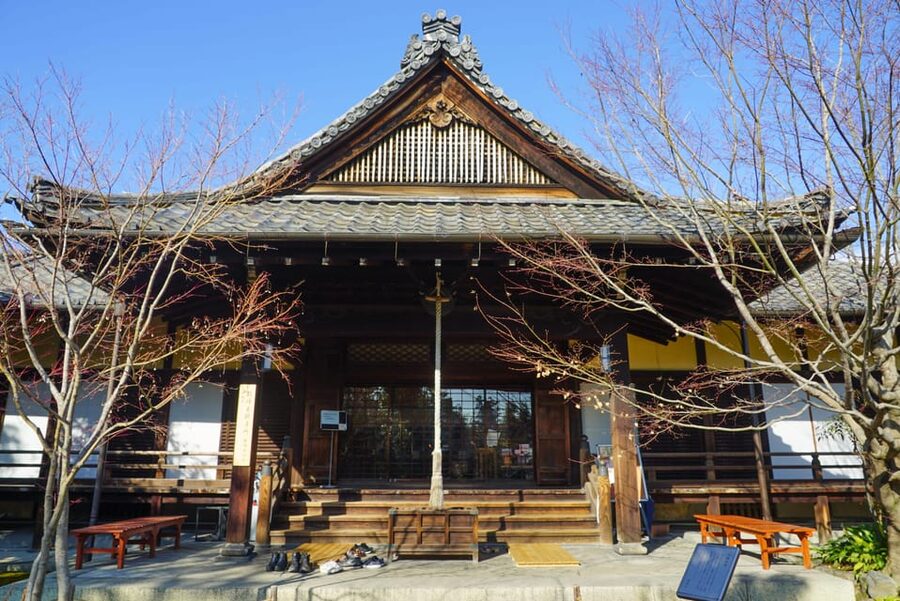
The next visit to Tofukuji Temple is listed as about 10 minutes, so expect a compact orientation rather than a full temple tour. Tofukuji is one of Kyoto’s five major Zen temples and has served as a place for monastic residence and Zen practice since the 13th century.
The short stop includes several memorable details. You can see the San-mon gate, noted for its impressive scale, dragon paintings on a ceiling, and an old surviving toji, or temple toilet. These details help you picture how the temple functioned as a working religious community, rather than just a beautiful place for sightseeing.
The brief time here may disappoint you if Tofukuji is high on your personal list. You will not have hours to explore every corner. Still, the stop works well as a bridge between the garden discussion and the meditation session. Your guide can explain what you are seeing before leading you to the smaller temple used for zazen.
Same place, a different sort of green day out:
- Mt. Fuji Day Trip from Tokyo with English Speaking Driver Guide
★ 5.0 · 443 reviews - Kyoto Arashiyama Bamboo forest & Garden Half-Day Walking Tour
★ 5.0 · 413 reviews - Tokyo: Imperial Palace East Gardens Walking Tour
★ 4.8 · 353 reviews - Mt. Fuji, Cherry Blossom & Shiba Sakura Pvt. Day Tour
★ 5.0 · 326 reviews
One hour of zazen at Shōrin-ji
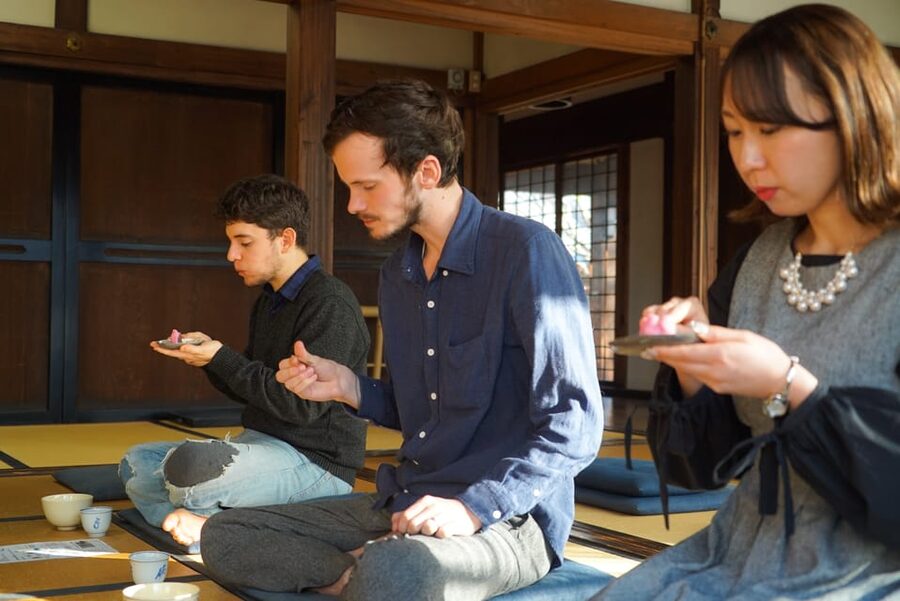
The central part of the tour takes place at Shōrin-ji, also called Bishamon-dō Temple. The visit lasts about 70 minutes, including the meditation session and the surrounding explanation.
You learn the basics of zazen, including posture, breathing, methods, and the ideas behind the practice. This is useful even if you already meditate at home. One participant who had practiced for seven years found that sitting in a temple with a monk offered something different from solitary practice.
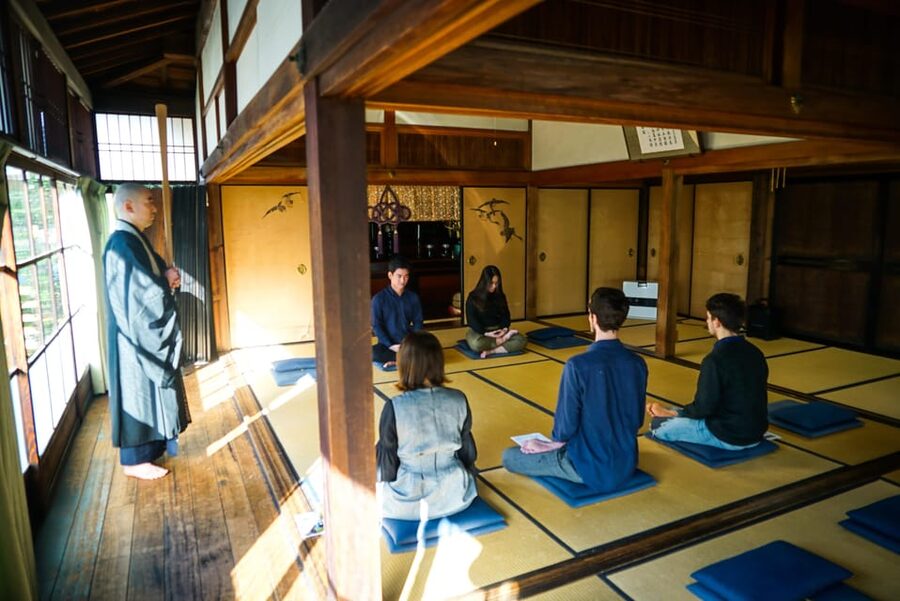
During zazen, the guide stays silent. You receive reading materials so you can follow the explanation without spoken commentary. This arrangement respects the people sitting around you, but it also requires a little patience. You cannot casually ask your guide questions while the session is underway.
The monk may not speak English. In that case, the guide can help translate questions during the discussion afterward. One person found the silent booklet less personal than expected, while others valued the chance to sit with local participants and speak with the monk through the guide.
That contrast is important. This is not a private meditation lesson in English. It is a shared religious practice, and the quiet rules are part of the experience. If you want a perfectly tailored, one-on-one session, this may feel limited. If you want to observe and take part respectfully in a real temple setting, it offers something a standard sightseeing tour cannot.
A past participant found about 30 people in the meditation room, even though the sightseeing group itself was small. The room was described as L-shaped, which made the session feel less intimate. Group size can vary, but you should prepare for the possibility that your zazen takes place alongside people outside your tour.
Speaking with the monk after meditation
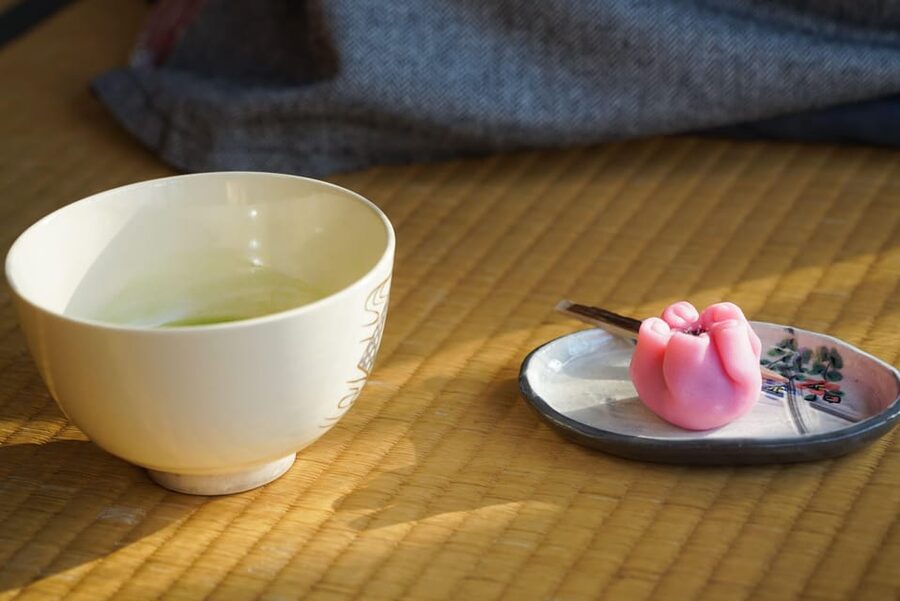
After the sitting session, the group has a short discussion with the monk. This is one of the most valuable parts for first-time visitors because it gives you a chance to move beyond the mechanics of posture and breathing.
You can reflect on what you noticed, ask about the practice, and hear how the session connects with Buddhist thought. The guide’s role matters here. Yutaka was praised for translating questions and helping the conversation feel warm and accessible, even when the monk did not speak English.
The discussion is not presented as a long theological lesson. Think of it as a chance to ask sensible questions and share your first impressions. If you are curious about Buddhist symbols, terminology, or the difference between Zen ideas and popular Western uses of the word, bring those questions with you.
Shojin ryori lunch after the temple visit
After meditation, you walk a short distance to a local restaurant for lunch. The meal is shojin ryori, the traditional Buddhist cuisine associated with Japanese monks. It emphasizes vegetables, mushrooms, and seaweed, and avoids meat and fish as ingredients.
There is an important detail here: the meal includes dashi made with fish, and some dairy may be used. This is not a strict vegan meal. People with gluten intolerance are also advised not to book, and anyone with serious dietary restrictions should ask for clarification before paying.
The meal is often described as a highlight. You can expect several different dishes rather than one basic vegetarian plate. The food gives the earlier temple discussion a practical side, showing how Buddhist traditions shaped everyday meals and ingredient choices.
The lunch location is next to a temple complex that once housed as many as 1,200 Buddhist monks in training. That detail adds scale to the setting. You are not simply stopping at a restaurant after sightseeing. You are eating near a place that once supported a large religious community.
For tours beginning at 10:45, lunch is scheduled for about 14:15, after meditation. Eat a good breakfast or bring a small snack if you need one. Waiting that long may be fine for some people, but it is a long gap for anyone who starts the day hungry.
Guide quality and the small-group format
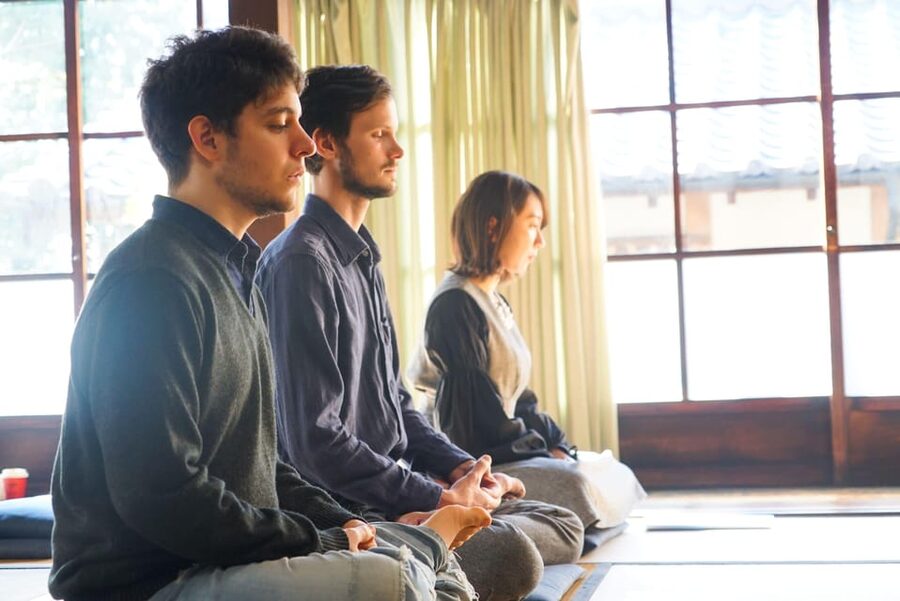
The advertised group limit is seven people, which is a real advantage. A small group makes it easier to ask about Buddhist customs, temple details, and local recommendations. Several guides have been praised for making the day feel friendly without losing its calm tone.
Yutaka is often described as funny, patient, and clear. Eri received praise for explaining Buddhist symbols and suggesting places to visit afterward. Louis was noted for his background explanations and photography, while Tammy was appreciated for her enthusiasm.
Photos are included, and guides may take pictures during the tour. This is useful if you want a few memories without constantly stopping to manage your phone.
The small group does not guarantee a private meditation room. That is the key distinction. You get a personal guide for the walking portion, but zazen is a shared practice and may include many other people. I would book this for the access and setting, not for guaranteed solitude.
Is $107 a fair price?
At $107 per person, the tour costs more than simply visiting Tofukuji on your own. You are paying for several things at once: temple and garden admission, an English-speaking guide, a structured meditation session, monk interaction, photos, and a traditional lunch.
The value depends on what you want from Kyoto. If you only need a quick look at a famous temple, the price is hard to justify. You can visit many religious sites independently for less. But if you want context, help with etiquette, translation, and a guided introduction to zazen, the package is more reasonable.
The lunch also matters. A multi-dish shojin ryori meal near a historic temple area is more substantial than a snack added as an afterthought. The experience combines food, architecture, garden design, and meditation in one morning or afternoon.
I consider the price fair for a first encounter with Zen, especially if you value a guide who can answer questions and help you make sense of what you are seeing. It is less attractive if your main goal is silent meditation alone.
Practical advice for a smoother visit
Arrive early at Tofukuji Station and confirm that you are at Exit 2, not at the temple entrance. Bring water and a hat during Kyoto’s hot, humid summer months.
In winter, temple floors can be cold. Wear thick socks, since you may remove your shoes and sit indoors for a considerable time. Comfortable clothing will make the zazen session easier.
Children under 12 cannot join. The tour is conducted in English and is designed for adults and older children who can remain quiet during meditation.
Book at least 24 hours ahead if you may need to cancel or change the date. Full refunds and free changes are available up to that point, subject to availability. The reserve-now, pay-later option also gives you some planning flexibility.
Who should book this experience?
I would recommend it to you if you want a calm, structured introduction to Zen and prefer having a guide explain what you are seeing. It suits first-time visitors to Kyoto, people curious about Buddhism, and anyone who wants a break from crowded sightseeing routes.
It is also a good choice if you enjoy asking questions. The walking portions give you room to discuss religion, symbolism, food, and Japanese culture, while the monk conversation adds a direct connection to the practice.
I would hesitate if you need a completely private meditation lesson, cannot sit quietly for an hour, or require a strict fish-free, dairy-free, or gluten-free meal. You should also rethink it if a late lunch would be difficult.
Should you book the Kyoto Zen meditation tour?
Book it if you want more than temple photographs. The garden introduction, one-hour zazen session, monk conversation, and shojin ryori lunch create a thoughtful progression through Kyoto’s Zen tradition.
Go in with realistic expectations. The tour group is small, but the meditation room may not be. The monk may not speak English, and the silent reading materials replace live explanation during zazen. Those limits are balanced by strong guides, meaningful access, and a meal that gives the visit a satisfying finish.
For a first encounter with Zen in Kyoto, I think the experience is worth considering, especially if Yutaka, Eri, Louis, or another guide with the same patient approach leads your group.
FAQ
Where does the tour meet?
Meet outside Exit 2 of Tofukuji Station, next to Family Mart. Do not go directly to Tofukuji Temple for the meeting point.
How do I reach Tofukuji Station from Kyoto Station?
Use the JR line. Both rapid and local trains are suitable.
How do I reach Tofukuji Station from Shijo Keihan?
Use the Keihan line and take a sub-express, semi-express, or local train. Do not use an express train.
How long does the experience last?
The tour lasts 270 minutes, or about four and a half hours.
Is the tour conducted in English?
Yes. The experience includes a live English-speaking guide.
Is the meditation session private?
The tour group is limited to seven participants, but the meditation session may take place with other people. One past session included around 30 people in the room.
Is the lunch vegan or fish-free?
No. The shojin ryori meal is vegetarian, but fish-based dashi is included, and some dairy may be used.
Can children join the tour?
Children under 12 are not permitted to join.
What happens if I arrive late?
You may not be able to join if you miss the group, and no refund or rescheduling is provided for that reason.
Just added around Japan
- Private tour – Scenic Fuji Escape: Hakone, Peace Park & More★ 5.0 · 4 reviews
- TOKYO: Tailored Gardens tour with Pro Gardener by E-bike -BASIC★ 5.0 · 2 reviews
- Tsukiji Food Strolling and Hama Rikyu Garden Walking Tour★ 5.0 · 7 reviews
- Tokyo: Serene Sakura & Sake: An Exclusive Brewery Pairing Lunch★ 5.0 · 2 reviews
- Full Guided Mt. Fuji & Shiba-Sakura Festival One Day Pvt.Tour★ 5.0 · 6 reviews
- Tokyo Cherry Blossom Half Day Walking Tour with a Local Guide★ 3.5 · 4 reviews
- Cherry Blossom Highlights, Asakusa, Ueno, Imperial Palace Garden★ 4.5 · 4 reviews
- Licensed Guide Tokyo Meguro Cherry Blossom Walking Tour★ 4.5 · 13 reviews
Japan Garden Tours, compared.
Imperial Palace East Garden and Edo Castle Walking Tour in Tokyo
Read our review →
Mt. Fuji Day Trip from Tokyo with English Speaking Driver Guide
Read our review →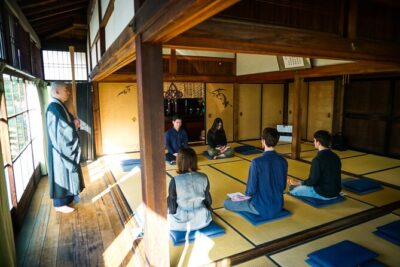
Kyoto Zen Meditation & Garden Tour at a Zen Temple with Lunch
Read our review →
Kyoto Arashiyama Bamboo forest & Garden Half-Day Walking Tour
Read our review →
Edo Castle & East Garden of the Imperial Palace Tour
Read our review →Browse the lists this tour appears in