
Review · JAPAN
Nara: Yoshikien and Isuien Gardens Tour with Tea Tasting
Quiet beauty rewards patience. This three-hour Nara tour pairs the lesser-known Yoshikien Garden with the more expansive Isuien Garden, then ends with matcha in a historic tea house. I like the contrast between the gardens, and I like that a guide explains why the rocks, ponds, moss, paths, and borrowed views matter. The main consideration is simple: you will spend much of the tour walking outdoors, so comfortable shoes are essential.
The private format should suit you if you prefer asking questions and setting an unhurried pace. The tea tasting adds a cultural moment beyond sightseeing, but the experience is focused tightly on two gardens rather than a wider tour of Nara’s temples and shrines.
Four details that make this Nara garden tour worthwhile
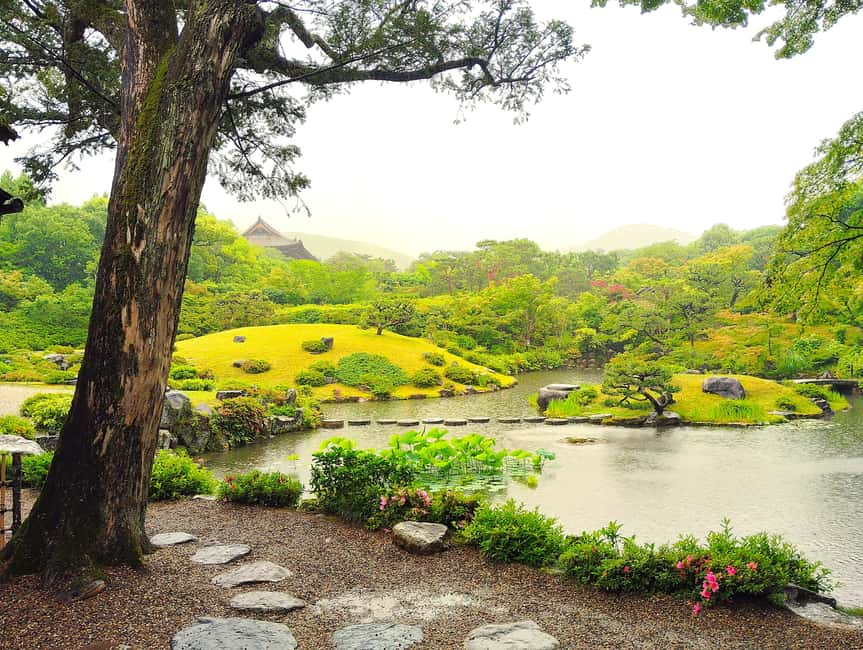
- Three garden styles in Yoshikien: See a pond garden, moss garden, and tea garden in one compact visit.
- Two eras in Isuien: The garden brings together sections from the Edo and Meiji periods.
- Borrowed scenery: Todai-ji’s Great South Gate and Mount Mikasa become part of Isuien’s design.
- Private English or Japanese guiding: You can ask questions and focus on details that interest you.
- Matcha in a historic tea house: Finish with freshly whisked green tea and views over the garden.
- Three hours at a calm pace: The tour gives you time for guided walks, photographs, and quiet observation.
Starting at Himuro Shrine near Nara Park
Your meeting point is in front of the torii gate of Himuro Shrine. Look for a guide holding a yellow sign marked DeepExperience. This clear meeting arrangement matters in Nara, where major sights, shrines, gardens, and paths can blend together on a busy day.
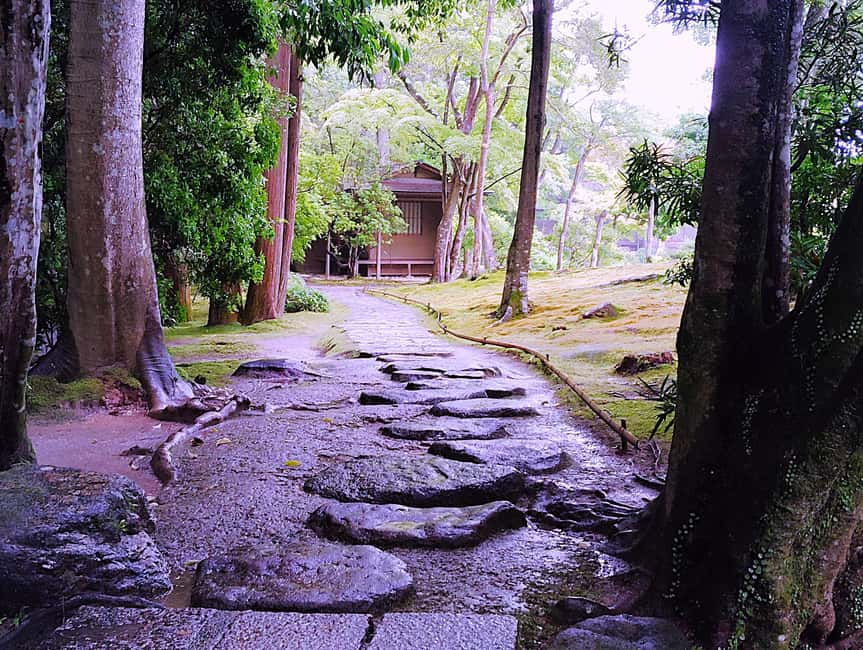
The tour begins on foot and remains within the garden area. No transportation is included, so plan to arrive at the shrine with your day bag, water, and shoes suited to garden paths. The walking is not presented as strenuous, but gardens can include uneven surfaces, steps, or damp areas. Comfortable footwear will make the entire visit more pleasant.
A private group gives the opening moments a personal feel. You can ask why a particular stone sits where it does, pause for a photograph, or request more detail about tea culture. That kind of flexibility is useful here because Japanese gardens reward close attention more than a quick checklist of sights.
More Garden Tours in Japan:
- Osaka: teamLab Botanical Garden Entry Ticket
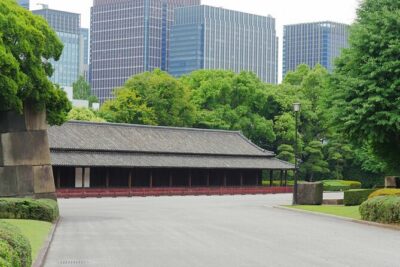
★ 4.5 · 1,710 reviews - Imperial Palace East Garden and Edo Castle Walking Tour in Tokyo
★ 5.0 · 510 reviews - Kyoto Zen Meditation & Garden Tour at a Zen Temple with Lunch
★ 5.0 · 441 reviews
Yoshikien Garden and its three different moods
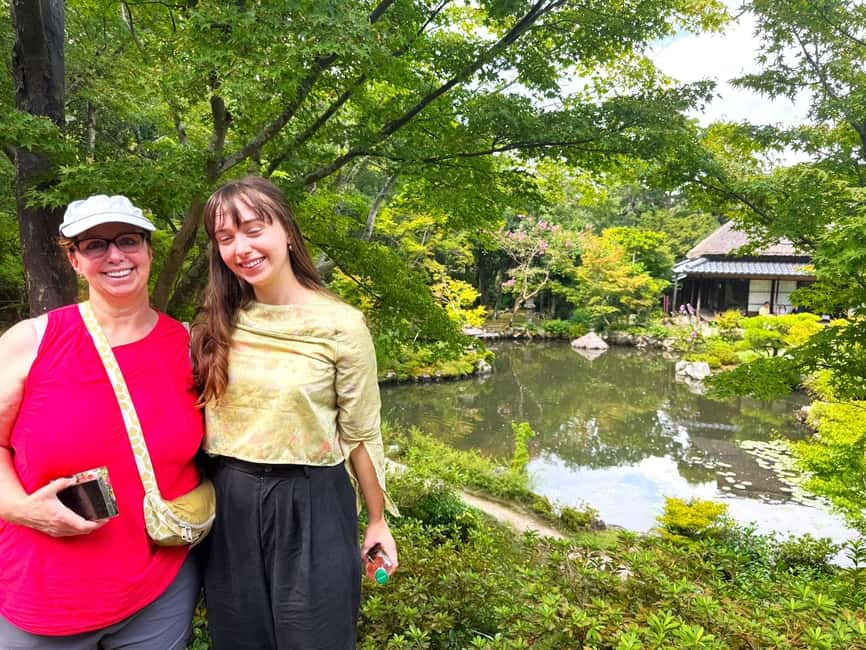
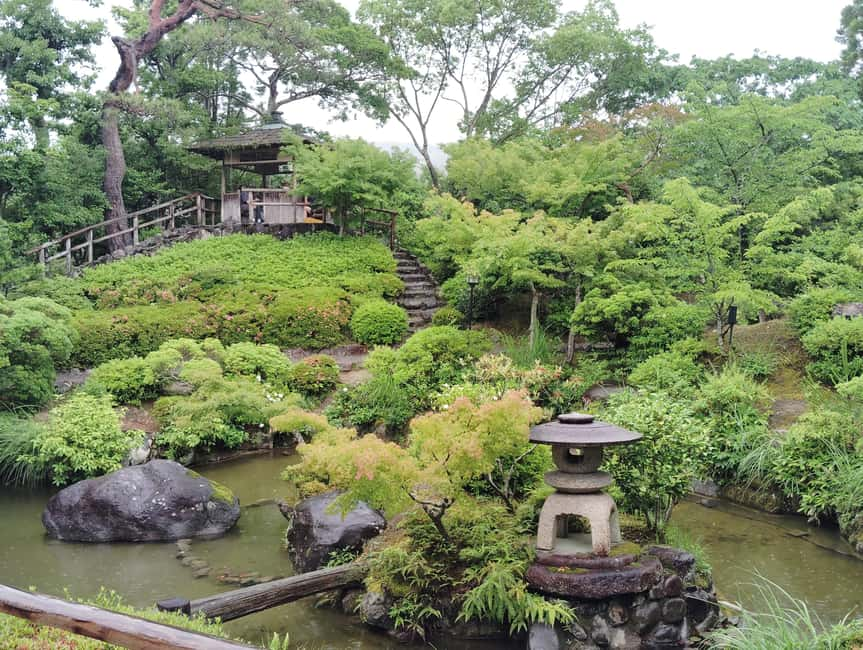
Yoshikien is the quieter first act. It once served as a temple residence, and its design feels more intimate than grand. Instead of trying to impress you with one large viewpoint, the garden shifts between small scenes and changing textures.
The garden contains three distinct areas:
- A pond garden
- A moss garden
- A tea garden
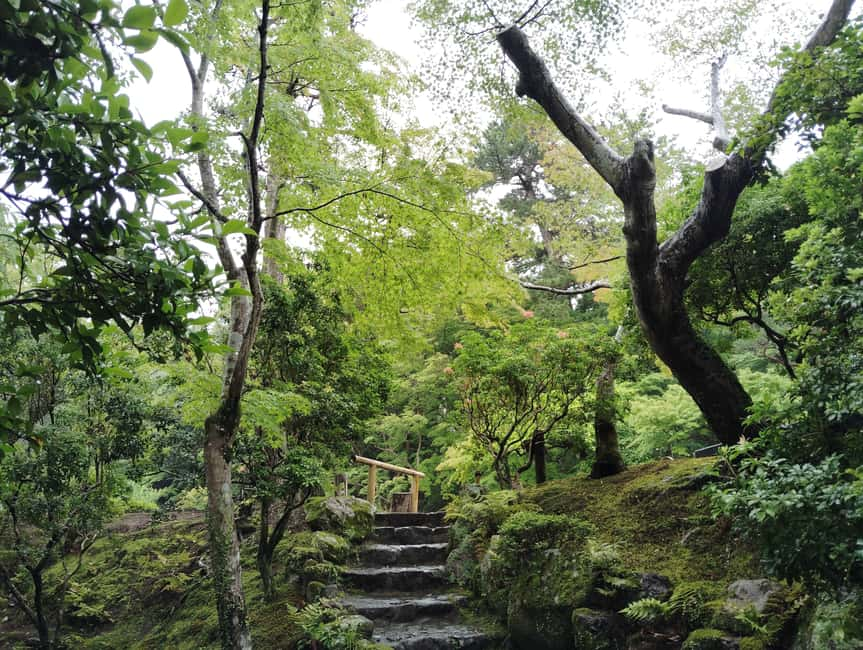
Each section has a different rhythm. Water gives the pond garden a sense of movement and reflection. The moss garden is softer and more subdued, asking you to notice texture, shade, and the spaces between plants. The tea garden prepares you for the later tasting by connecting the physical setting with the calm, deliberate world of tea.
I like this beginning because Yoshikien encourages you to slow down before reaching Isuien. Your guide can point out how the garden uses natural-looking arrangements rather than obvious symmetry. Rocks, water, plants, and paths appear carefully placed, yet the result aims to feel relaxed rather than forced.
The one-hour visit is long enough for a guided look without making Yoshikien feel overexplained. Still, the experience depends on your interest in small details. If you want grand buildings or a packed list of famous monuments, this first stop may feel restrained. If you enjoy quiet spaces and careful design, it is a strong start.
Isuien Garden joins Edo and Meiji design
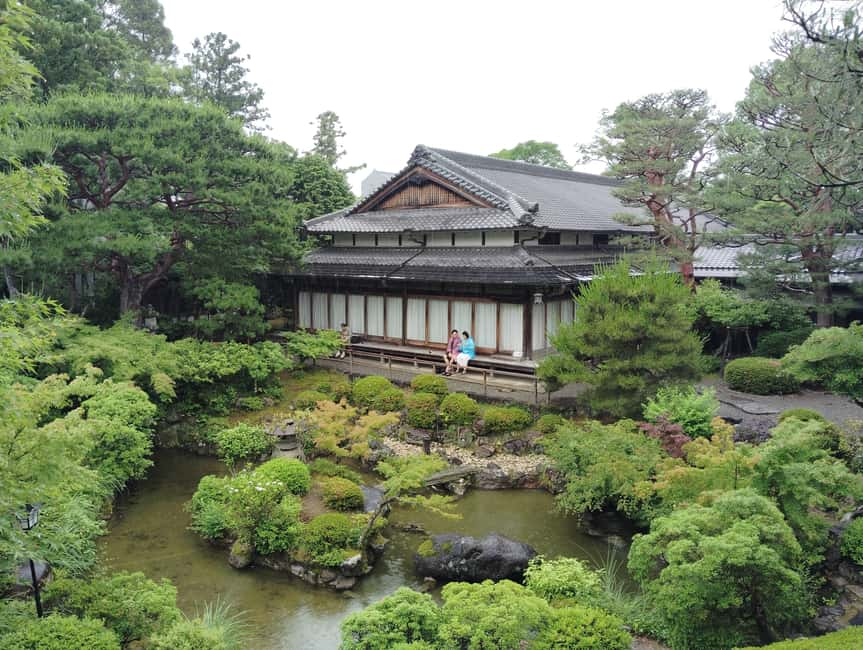
Isuien is larger and more layered. Its two sections were created in the Edo and Meiji periods, and the tour helps you read the changes rather than simply walk past them. The garden is not just a pleasant collection of plants. Its form depends on how water moves, how rocks guide your eye, and how open views give way to enclosed spaces.
This is where a guide adds real value. Without explanation, you might see a pond, a path, and a group of stones. With context, you begin to notice how each feature supports the rest. A shift from an open area to a more sheltered corner can change your mood. A carefully placed stone can suggest permanence, distance, or natural strength.
The tour description allows two hours for the Isuien portion, including the visit, guided sightseeing, and a photo stop. That longer block gives you time to look instead of rushing from one viewpoint to another. You should also have room to ask questions about Japanese garden design and the periods represented in the grounds.
Isuien may appeal most to you if you enjoy places that reveal their character slowly. It is less about one spectacular object and more about how many modest elements work together. If you prefer a guide who explains the reasons behind what you see, this is likely the strongest part of the tour.
Shakkei frames Todai-ji and Mount Mikasa
One of Isuien’s most memorable ideas is shakkei, or borrowed scenery. The garden incorporates distant features into its own composition, so the view reaches beyond the garden’s boundaries.
From the rear of Isuien, Todai-ji’s Great South Gate and Mount Mikasa appear as part of the scene. The effect links the carefully arranged foreground with Nara’s wider setting. A garden wall does not end the view. Instead, it helps frame something farther away.
Your guide can make this technique easier to understand. You are not simply looking at a pretty view. You are seeing how the garden’s designers used distance, scale, and framing to make the space feel both enclosed and open.
The view also gives you a useful pause during the walking route. Take time for photographs, but look first without a camera. The relationship between the garden, the gate, and the mountain is the point. Weather and visibility will affect how clearly the distant features appear, so this part is best appreciated as a design idea as well as a particular picture.
Same place, a different sort of green day out:
- Mt. Fuji Day Trip from Tokyo with English Speaking Driver Guide
★ 5.0 · 443 reviews - Kyoto Arashiyama Bamboo forest & Garden Half-Day Walking Tour
★ 5.0 · 413 reviews - Tokyo: Imperial Palace East Gardens Walking Tour
★ 4.8 · 353 reviews - Mt. Fuji, Cherry Blossom & Shiba Sakura Pvt. Day Tour
★ 5.0 · 326 reviews
Matcha in a historic tea house
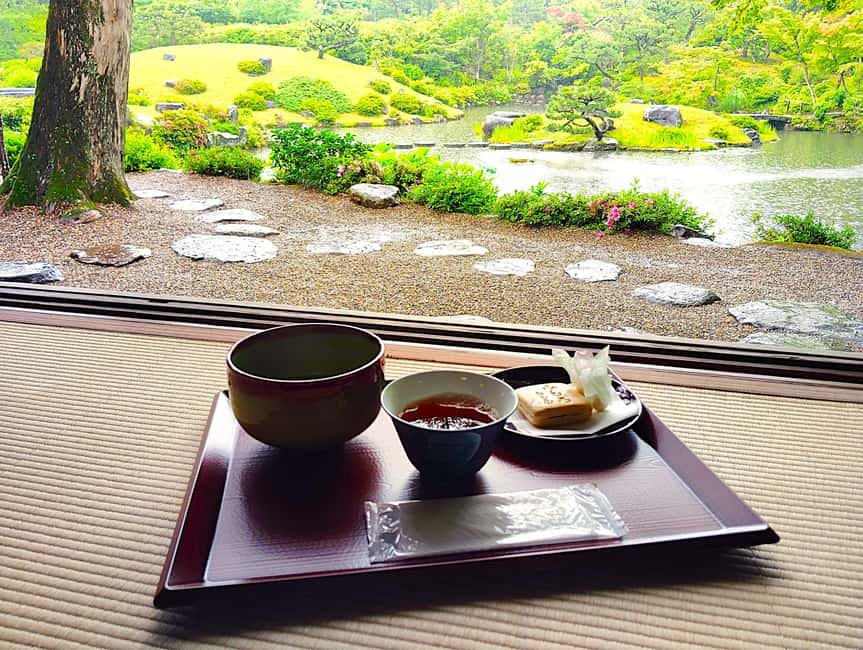
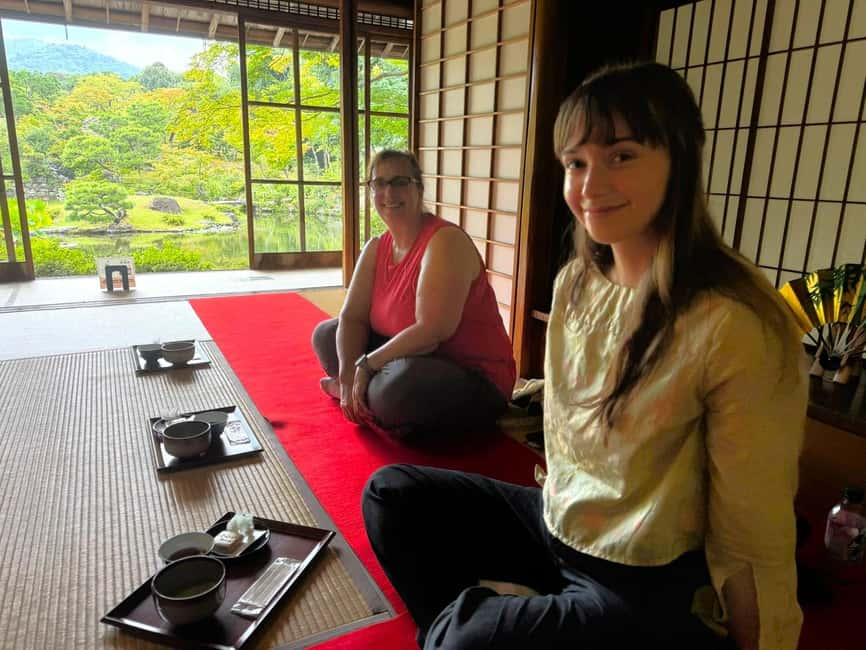
The final stop brings the tour indoors, at least briefly, with a matcha tasting in a historic tea house within Isuien. You will receive freshly whisked green tea while looking out over the garden and nearby natural surroundings.
This is more meaningful than adding a drink at the end simply for variety. Tea, garden design, architecture, sound, scent, and taste all meet in one setting. The quiet mood of Yoshikien and Isuien prepares you for the deliberate pace of the tasting.
If you have never tried matcha, this gives you a direct introduction without requiring a full tea ceremony. The available information describes a tasting, not a complete formal ceremony, so you should book it for the setting and cultural connection rather than expect an extended demonstration.
The tea house also provides a welcome change of pace after the walking portions. You can sit, take in the garden, and let the details settle. For many people, this will be the most personal part of the experience because it asks you to pause rather than keep moving.
What the three-hour schedule feels like
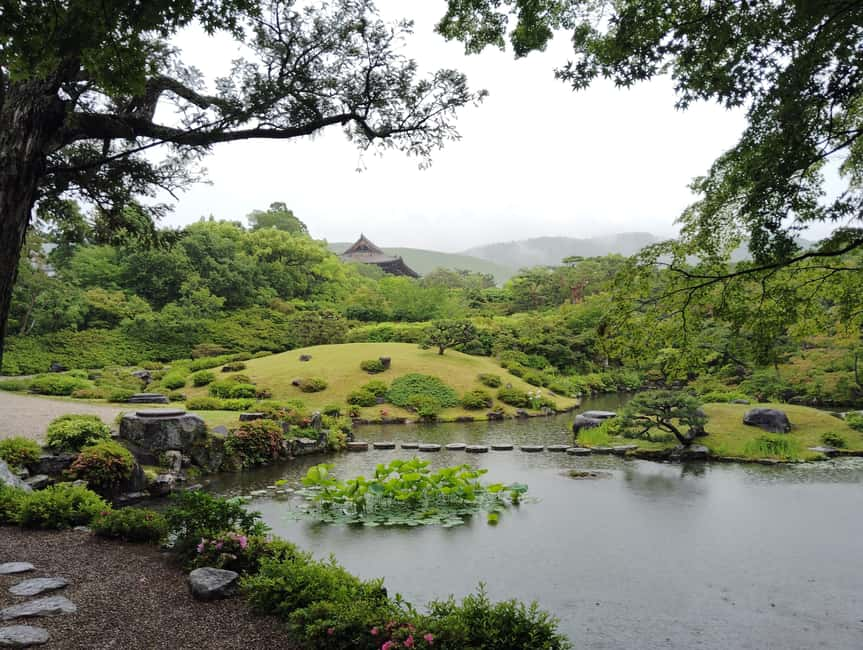
The tour lasts three hours. Yoshikien receives about one hour, while the Isuien visit and related sightseeing take about two hours. That division makes sense: Yoshikien is compact and intimate, while Isuien offers more space, more history, and the tea tasting.
The pace is described as relaxed, with time for photographs and questions. A private group supports that style, especially if you would rather spend extra time at a favorite viewpoint than follow a large crowd.
You should still expect a walking tour, not a seated lecture. The gardens are the focus from beginning to end. Wear shoes you can walk in comfortably, and avoid planning a tightly timed activity immediately afterward. The schedule includes guided sightseeing and a photo stop, but exact starting times depend on availability.
The English and Japanese guide option is useful for different kinds of visitors. You can choose the language that lets you ask the most precise questions about garden design, tea, and local history.
What you receive for $83
At $83 per person, the value depends on how much you want from a garden visit. You are paying for a three-hour private tour, guided interpretation in two gardens, and a matcha tasting in a historic setting. That is more than a simple admission visit, but it is also not a full-day Nara sightseeing program.
I think the price is easier to justify if you care about meaning and design. Yoshikien and Isuien are places where an unguided visit can still be beautiful, but you may miss the logic behind the rocks, water, transitions, and borrowed scenery. A guide helps turn visual pleasure into understanding.
The private format is another important part of the value. You are not simply joining a large group and listening from the back. You can shape the conversation around your interests, which is particularly helpful if you are curious about Japanese gardens or tea.
The price may feel high if you only want a quick walk through attractive grounds. It may also be less suitable if your main Nara goal is Todai-ji’s Great Buddha, deer, or a broad temple tour. This experience focuses on gardens, and it does that well.
Who should book this experience
I would recommend this tour to you if you enjoy quiet cultural sights, visual details, and guided interpretation. It is a good match for couples, families with older children, solo visitors, or small private groups who want a calm part of a Nara day.
It also works well for anyone who has seen Japanese gardens before but wants help understanding the design. The contrast between Yoshikien’s three areas and Isuien’s two historical sections gives the tour enough variety without losing its central theme.
You may want to choose another activity if you dislike walking, want a fast-moving sightseeing schedule, or prefer famous buildings over gardens. The tour does not promise a broad overview of Nara. Its appeal comes from slowing down and looking carefully.
Available feedback praises the friendly, well-prepared manner of guide Emi, but the comments connected with that feedback describe a Gion experience rather than this Nara garden route. I would therefore treat the rating as a sign of positive service, not as proof of detailed garden-specific experience. The tour does provide live guiding in English or Japanese, which is the key point for your decision.
Booking and practical advice
You can cancel up to 24 hours before the experience for a full refund, and you can reserve now while paying later. Those terms help if your Nara plans may shift, though you should still check the available starting times before committing your day.
Meet at the torii gate of Himuro Shrine and look for the yellow DeepExperience sign. Build in enough time to find the meeting point without rushing. Once the tour begins, keep your schedule open for the full three hours.
Bring a camera if you want photographs, but do not let it replace looking. The best details here are often small: a change in texture, the way a path turns, or the distant gate framed through the garden.
Should you book the Yoshikien and Isuien tour?
Book it if you want Nara to feel quieter, more thoughtful, and more connected to Japanese design. The combination of Yoshikien’s three moods, Isuien’s Edo and Meiji sections, borrowed scenery, and matcha in a historic tea house gives you a focused experience with real variety.
Skip it if you want a broad Nara highlights tour or do not enjoy walking outdoors. For the right visitor, $83 buys more than entry and a drink. It buys time, context, and a better way to see why these gardens are arranged as they are.
FAQ
Where does the tour begin?
The meeting point is in front of the torii gate of Himuro Shrine. The guide will hold a yellow sign with DeepExperience written on it.
Where does the tour finish?
The tour finishes at Isuien Garden and the Neiraku Museum area, listed as 依水園・寧楽美術館.
How long does the experience last?
The tour lasts three hours. Yoshikien is scheduled for about one hour, followed by about two hours at Isuien and its related sightseeing.
Is matcha included?
Yes. A matcha tea tasting is included and takes place in a historic tea house within Isuien Garden.
What languages are available?
Live guiding is available in English and Japanese.
Is the tour private?
Yes. The experience is offered for a private group.
Just added around Japan
- Private tour – Scenic Fuji Escape: Hakone, Peace Park & More★ 5.0 · 4 reviews
- TOKYO: Tailored Gardens tour with Pro Gardener by E-bike -BASIC★ 5.0 · 2 reviews
- Tsukiji Food Strolling and Hama Rikyu Garden Walking Tour★ 5.0 · 7 reviews
- Tokyo: Serene Sakura & Sake: An Exclusive Brewery Pairing Lunch★ 5.0 · 2 reviews
- Full Guided Mt. Fuji & Shiba-Sakura Festival One Day Pvt.Tour★ 5.0 · 6 reviews
- Tokyo Cherry Blossom Half Day Walking Tour with a Local Guide★ 3.5 · 4 reviews
- Cherry Blossom Highlights, Asakusa, Ueno, Imperial Palace Garden★ 4.5 · 4 reviews
- Licensed Guide Tokyo Meguro Cherry Blossom Walking Tour★ 4.5 · 13 reviews
Japan Garden Tours, compared.
Imperial Palace East Garden and Edo Castle Walking Tour in Tokyo
Read our review →
Mt. Fuji Day Trip from Tokyo with English Speaking Driver Guide
Read our review →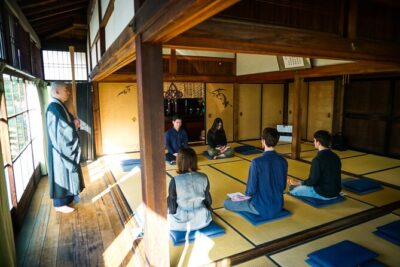
Kyoto Zen Meditation & Garden Tour at a Zen Temple with Lunch
Read our review →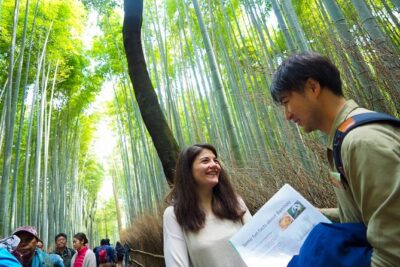
Kyoto Arashiyama Bamboo forest & Garden Half-Day Walking Tour
Read our review →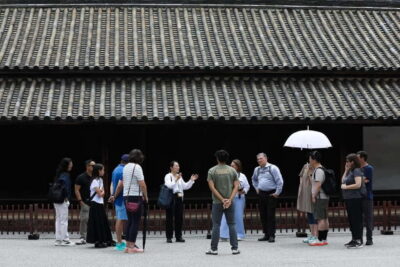
Edo Castle & East Garden of the Imperial Palace Tour
Read our review →Browse the lists this tour appears in