
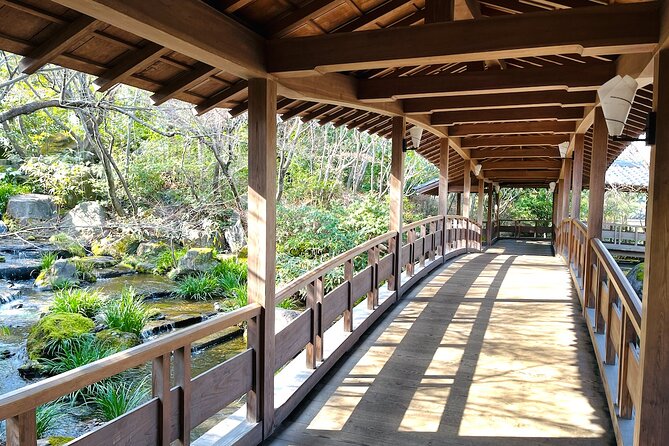
Review · JAPAN
Walking Tour in Himeji Castle Garden and Aizome Indigo Dyeing
Japan has castles, then there is Himeji. This full-day outing pairs Himeji Castle with the nine gardens of Koko-en, a historic shrine, and a hands-on Aizome indigo workshop. I like the strong mix of famous sights and local culture, and I like that bus tickets, entry fees, and the dyeing session are included. The main drawback is the long eight-hour schedule, especially since lunch is not included.
The tour begins at JR Himeji Station at 9:30 am and ends back there. A friendly English-speaking guide leads a group of up to 20 people, with time divided into roughly two-hour blocks. Guide Justin has received special praise for keeping the day lively and easy to follow, while the Aizome master is known for his humor and warm connection with visitors.
Key points to know before booking
- Himeji Castle gets the headline treatment: You have about two hours to explore Japan’s largest existing castle, a World Heritage Site and National Treasure.
- Koko-en offers nine garden styles: The gardens next to the castle show different Edo-period designs, so this is more than a quick photo stop.
- Itatehyozu Shrine adds a quieter historical pause: Its Ilsan ritual takes place every 60 years, while the Samsan ritual takes place every 20 years.
- Aizome is the most unusual activity: You do not just look at traditional craft. You take part in an indigo dyeing experience at Wataya.
- The price includes useful extras: At $158.02 per person, the tour covers entrance fees, required bus tickets, the Aizome fee, and guiding.
- The day starts and ends at the station: That makes the tour simple to fit into a visit to Himeji, though you need to plan your own lunch.
Why Himeji makes a smart day out
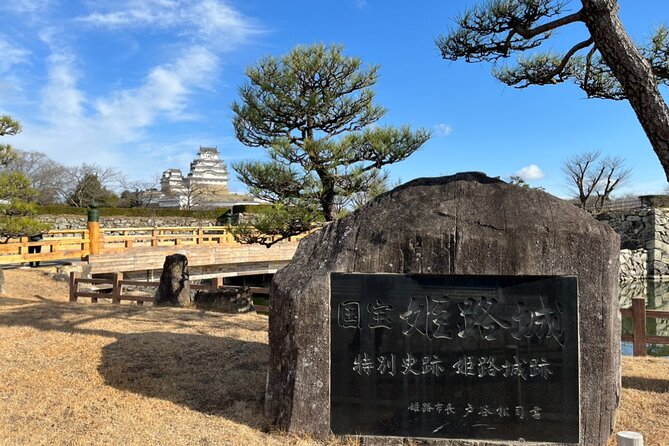
Himeji is less familiar to many international visitors than Kyoto, Osaka, or Tokyo. That is part of its appeal. You get a major Japanese landmark without building the day around a crowded city center or a long list of unrelated stops.
The city’s identity is tied closely to its castle. Himeji Castle is the largest existing castle in Japan and carries both World Heritage and National Treasure status. Those labels matter, but the real value is being able to study the building as part of a wider visit rather than rushing in, taking a photo, and leaving.
The tour also gives you a useful view of Japan beyond grand architecture. Koko-en presents formal garden design. Itatehyozu Shrine connects the city to ceremonial traditions that repeat only once every few decades. Wataya then brings the day into the world of living craft.
That range is the tour’s strongest idea. You see, walk, listen, and make something. The day is not limited to a castle lecture.
More Palace and Castle Gardens in Japan:
- Cherry Blossom Highlights, Asakusa, Ueno, Imperial Palace Garden
★ 4.5 · 4 reviews - Paris: Versailles Palace and Gardens Full Access Ticket
★ 4.6 · 41,579 reviews - Versailles: Skip-the-Line Tour of Palace and Gardens Access
★ 4.7 · 10,429 reviews
Starting at JR Himeji Station
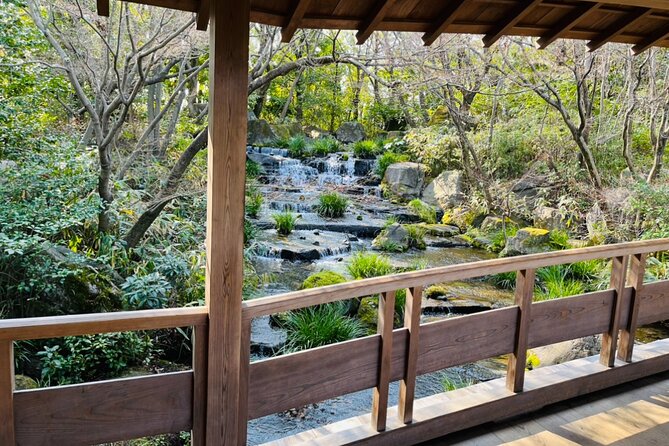
The meeting point is immediately after you leave the Central Gate of JR Himeji Station. That is a practical choice. You do not need to find a small shop or a distant hotel entrance, and the activity ends at the same station.
The start time is 9:30 am. Arrive with enough time to find the Central Gate and get settled before the group leaves. Your confirmation is sent at booking, and the mobile ticket makes the tour easy to carry on your phone.
The group can include up to 20 people. That is not a private tour, so the experience depends partly on the guide’s ability to keep everyone together. A group of this size can be comfortable for a full day, but it may feel less personal than a very small walking tour.
The tour uses buses during the day, and the required bus tickets are included. That removes one small chore from your morning. You do not need to work out each fare or search for the right ticket machine while moving between stops.
Two hours at Himeji Castle
The first major stop is Himeji Castle, reached in about 15 minutes from the station. The two-hour visit gives the castle the attention it deserves.
Himeji is famous for its bright white exterior and its size, but the guided visit should help you read the place as a defensive structure as well as a beautiful one. Pay attention to how the route through the castle is organized. Gates, walls, paths, and changing views all formed part of a system designed to control movement.
A guide is especially useful here because a castle can otherwise become a sequence of steep stairs, large rooms, and attractive views with little context. The English-speaking guide can explain the history and point out details you might otherwise pass without noticing.
Two hours is a reasonable amount of time for an introduction, though it will not let you linger everywhere. Himeji Castle is substantial, and you may find yourself wanting more time for photographs or closer looks at the grounds.
The practical concern is comfort. A castle visit involves walking, and historic interiors may not offer the same ease as a modern museum. The tour description says most people can participate, but anyone who finds extended walking difficult should consider the full eight-hour schedule carefully.
Still, this is the part of the day that justifies visiting Himeji in the first place. You get a major Japanese landmark with a guide beside you, rather than trying to decode the site alone.
Koko-en’s nine Edo-period garden styles

After the castle, the tour moves next door to Koko-en. This garden area contains nine strolling gardens, each with a different Edo-period style or landscaping theme.
That variety gives the stop more substance than a standard garden visit. Instead of seeing one repeated design, you move through several ideas about space, water, plants, paths, and framed views. The change from the castle’s heavy walls to carefully arranged gardens also gives the day a welcome shift in pace.
I particularly like this pairing. Himeji Castle shows power, protection, and architecture on a grand scale. Koko-en turns your attention toward proportion, restraint, and the way a garden guides your eye.
Two hours at Koko-en should allow time to appreciate the different sections without treating the garden as a quick add-on. The guide can provide context about Edo-period design and help you notice why each area feels different.
The downside is that visitors who want a fast castle-focused outing may find this portion too long. If you are mainly interested in Himeji Castle and have little patience for gardens, half of the morning and early afternoon may feel slower than expected. For anyone interested in Japanese aesthetics, though, the extra time is well spent.
More Garden Tours in Japan:
- Osaka: teamLab Botanical Garden Entry Ticket
★ 4.5 · 1,710 reviews - Imperial Palace East Garden and Edo Castle Walking Tour in Tokyo
★ 5.0 · 510 reviews - Kyoto Zen Meditation & Garden Tour at a Zen Temple with Lunch
★ 5.0 · 441 reviews - Kyoto Arashiyama Bamboo forest & Garden Half-Day Walking Tour
★ 5.0 · 413 reviews
Itatehyozu Shrine and long-running rituals
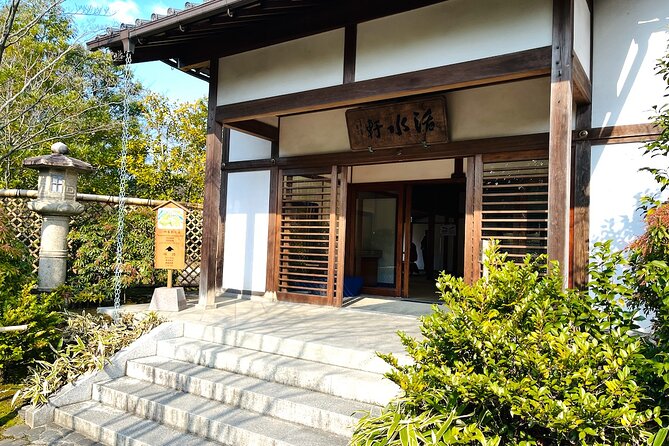
The next stop is Itatehyozu Shrine, visited on the way back toward the shopping district. It is known for two major rituals: the Ilsan ritual, held every 60 years, and the Samsan ritual, held every 20 years.
Those intervals give you a sense of how different Japanese religious traditions can be from ordinary annual festivals. A ceremony repeated only once in a generation is tied to long memory and careful transmission. Even if no ritual is taking place during your visit, the information gives the shrine greater meaning.
This stop also breaks up the day. After the castle and garden, a shrine visit lets you see a quieter part of Himeji’s cultural life. The tour description does not promise a special ceremony on the day you go, so you should think of Itatehyozu as a historical and religious site, not a guaranteed festival experience.
The two-hour allotment may include walking and explanation around the shrine. That is generous compared with the short shrine stops found on many city tours. It also means the guide can explain the significance of the rituals instead of simply pointing out the main building.
The Wataya Aizome workshop

The afternoon’s centerpiece is Aizome, traditional Japanese indigo dyeing, at Wataya. This is the feature that makes the tour different from a standard Himeji sightseeing day.
Indigo is one of the oldest plant-based dyes known to people, with roots reaching back to ancient kingdoms of the Middle East before the craft developed in Japan. The activity gives you a practical link to that long story. Rather than treating Japanese craft as something displayed behind glass, you take part in the process.
The workshop lasts about two hours and the experience fee is included. That matters because hands-on activities can quickly make an otherwise expensive tour feel worthwhile. You leave with a memory based on doing, not just looking.
The Aizome master is described as extremely engaging, funny, and eager to connect with the group throughout the workshop. That personal contact may be the most memorable part of the afternoon. Traditional crafts can seem formal or distant when presented only as finished objects. A lively teacher makes the method feel more approachable.
You should also expect some variation in the experience. Dyeing is a practical activity, not a polished stage show. The appeal is in learning how the craft works and taking part under guidance. If you prefer a purely visual tour with little participation, this stop may not be your favorite. If you like making things and meeting a craft specialist, it is likely to be the highlight.
The two-hour length is useful. A shorter demonstration might leave you with a nice story but little sense of the work involved. Here, you have time for explanation and practice.
Is $158.02 a fair price?
At $158.02 per person, this is not a budget walking tour. The value depends on how many parts of the day you would otherwise arrange yourself.
The price includes admission fees for every listed stop, bus tickets needed during the tour, the Aizome workshop fee, and an English-speaking guide. It does not include lunch.
That package is easier to judge than a simple castle entry ticket. You are paying for a full day, transport between sites, cultural interpretation, and a hands-on activity. If you already plan to visit Himeji Castle and Koko-en independently, you could compare the cost of separate admission and transport. But arranging the shrine, garden, workshop, and timing on your own may be difficult, especially if you do not speak Japanese.
The strongest value comes from the combination. A castle visit alone would not explain the price as well. The Aizome workshop changes the calculation because it is a distinct activity, not just another admission gate.
Lunch is the one clear extra cost. The itinerary leaves the meal to you, so bring money and allow enough time to eat. Since the schedule runs for about eight hours, this is not a minor detail.
Who will enjoy this full-day tour?
I would choose this experience if you want more than a famous photograph. It suits visitors who enjoy history, Japanese gardens, traditional religion, and craft in one day.
It is also a good fit if you prefer having the day organized. The station meeting point, included bus tickets, and return to the same meeting point remove much of the planning work. An English-speaking guide can also make the historical stops easier to understand.
The tour may appeal especially to first-time visitors to Himeji. You get the essential landmark, then see several sides of the city that could be missed on a quick stop from Osaka or another base.
Families and mixed-interest groups may also find the format useful. One person can enjoy the castle, another the gardens, and someone else the dyeing. The maximum group size of 20 keeps it shared rather than private, but it also means different interests can fit into one day.
I would hesitate if you dislike structured schedules, prefer long unplanned meals, or want to spend an entire day inside the castle grounds. The itinerary moves through four stops and uses the whole day. There is room to enjoy each place, but not much room to wander off independently.
Free cancellation is available if you cancel at least 24 hours before the 9:30 am start time. Changes or cancellations made later are not accepted for a refund.
Should you book it?
Book this tour if you want Himeji Castle plus a real connection to local culture. The castle is the anchor, but Koko-en and Itatehyozu Shrine give the day depth, while Aizome provides the personal, hands-on finish.
The best reason to choose it is the balance between major sightseeing and participation. You are not only looking at Japan’s past. You are also entering a garden tradition, learning about rare ceremonial cycles, and working with indigo.
Skip it if you want a short, inexpensive castle visit or if lunch and free time are essential parts of your day. For everyone else, the $158.02 price is defensible because transport, admissions, guiding, and the dyeing workshop are bundled into one well-planned outing.
FAQ
Where does the tour begin?
It begins at JR Himeji Station, immediately after exiting the Central Gate.
What time does the tour start?
The start time is 9:30 am.
Where does the tour end?
The activity ends back at the meeting point at JR Himeji Station.
How long does the tour last?
The tour lasts approximately eight hours.
How many people can join the tour?
The maximum group size is 20 people.
Is Himeji Castle admission included?
Yes. Entrance fees for each stop during the tour are included.
Is the Aizome indigo dyeing fee included?
Yes. The Aizome experience fee is included in the tour price.
Are bus tickets included?
Yes. The bus tickets required during the tour are included.
Is lunch included?
No. Lunch is not included.
Is the tour conducted in English?
Yes. The tour includes an English-speaking guide.
Can I cancel for a full refund?
Yes, if you cancel at least 24 hours before the experience start time. Changes or cancellations made less than 24 hours before the start are not accepted for a refund.
Just added around Japan
- Private tour – Scenic Fuji Escape: Hakone, Peace Park & More★ 5.0 · 4 reviews
- TOKYO: Tailored Gardens tour with Pro Gardener by E-bike -BASIC★ 5.0 · 2 reviews
- Tsukiji Food Strolling and Hama Rikyu Garden Walking Tour★ 5.0 · 7 reviews
- Tokyo: Serene Sakura & Sake: An Exclusive Brewery Pairing Lunch★ 5.0 · 2 reviews
- Tokyo Cherry Blossom Half Day Walking Tour with a Local Guide★ 3.5 · 4 reviews
- Cherry Blossom Highlights, Asakusa, Ueno, Imperial Palace Garden★ 4.5 · 4 reviews
- Full Guided Mt. Fuji & Shiba-Sakura Festival One Day Pvt.Tour★ 5.0 · 6 reviews
- Licensed Guide Tokyo Meguro Cherry Blossom Walking Tour★ 4.5 · 13 reviews
Palace and Castle Gardens, compared.

Versailles Palace and Gardens Full Access Ticket
Read our review →
Skip-the-Line Tour of Palace and Gardens Access
Read our review →
Alhambra & Gardens Tour w/Nasrid Palaces Option
Read our review →
Versailles Palace & Gardens with Transportation
Read our review →

Versailles Palace Guided Tour & Gardens Access
Read our review →
Versailles Palace and Gardens Tour from Paris
Read our review →
Versailles Full Day Bike Tour with Palace, Gardens, & Picnic
Read our review →Browse the lists this tour appears in