
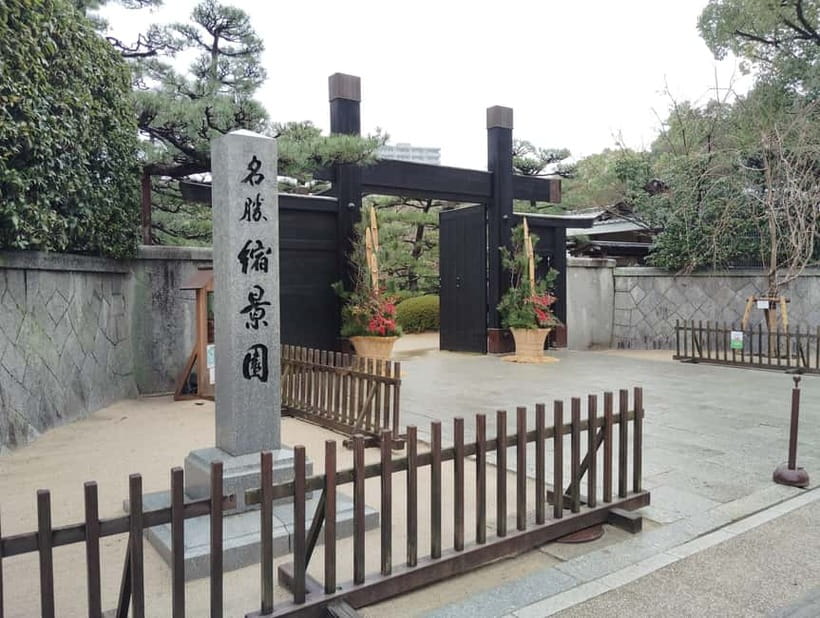
Review · JAPAN
Hiroshima: Shukkei-en Garden with local guide 90min
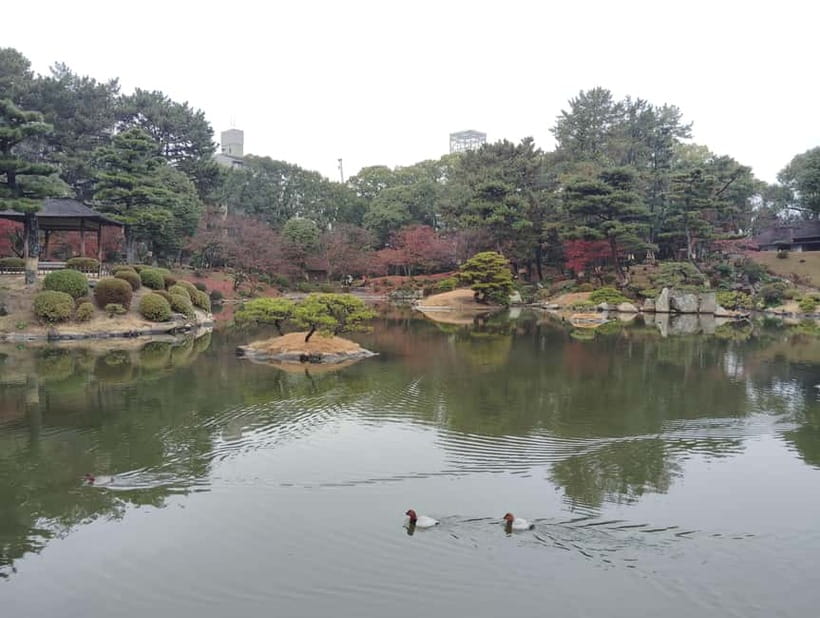
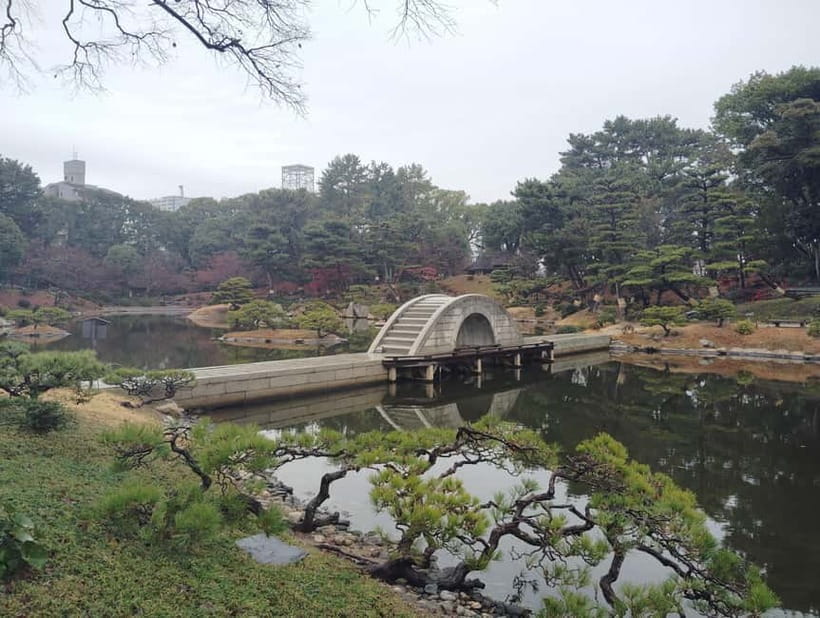
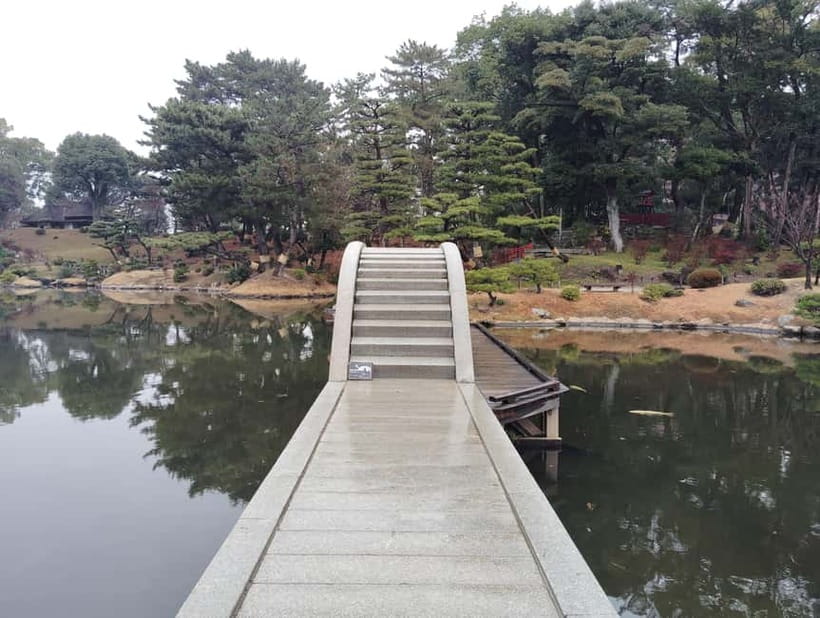
Peaceful gardens can reset a Hiroshima day. Shukkei-en gives you a 300-year-old daimyo garden in the middle of the city, with a broad central pond, graceful bridges, and small structures designed for quiet viewing. I especially like the curved stone bridge and the way the paths reveal a different scene at each turn. The private guide adds useful context, though $58 per person is a fair amount for a 90-minute visit focused on one garden.
This is a good choice if you want a calm break from Hiroshima’s busier sights. It is also a practical fit for German-speaking friends traveling with English or Japanese speakers, since the guides have received warm praise for being kind and clear. Keep in mind that food and drinks are not included, and the experience begins and ends at the garden.
Key points to know before you book
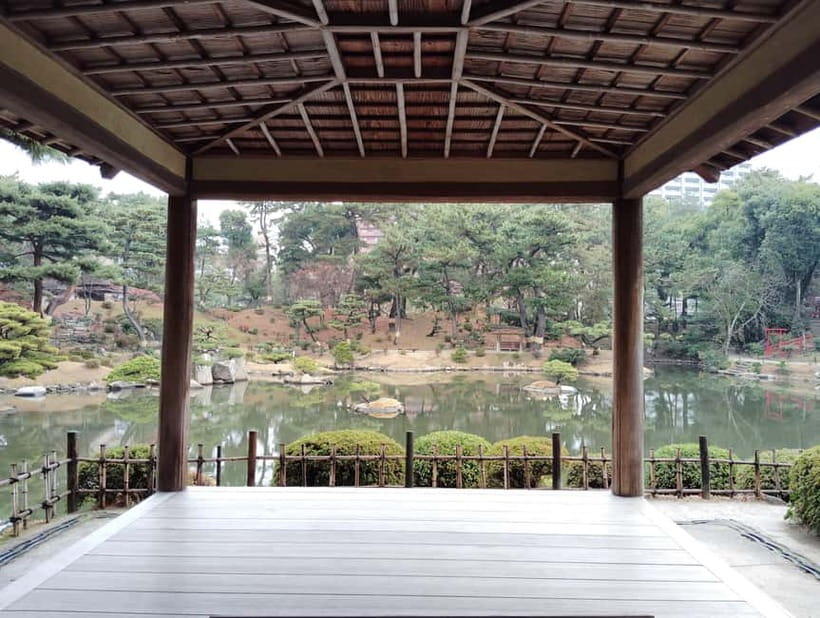
- A 300-year-old feudal garden in central Hiroshima: You get a historic Japanese garden without leaving the city.
- The large pond shapes the visit: Bridges, buildings, a boat landing, and the moon-viewing stage all face or connect with the water.
- A 90-minute private walk: The pace suits you if you want focused guidance rather than a long half-day outing.
- English and Japanese guides are available: The guide meets you in front of the entrance with a yellow DeepExperience sign.
- Quiet scenery is the main attraction: This is a garden visit, not a broad Hiroshima history tour or food experience.
- The guide quality matters: Emiko was praised for kind, clear explanations, while guide 尚子 helped make the visit especially enjoyable for a German friend.
Why Shukkei-en feels different from an ordinary city park
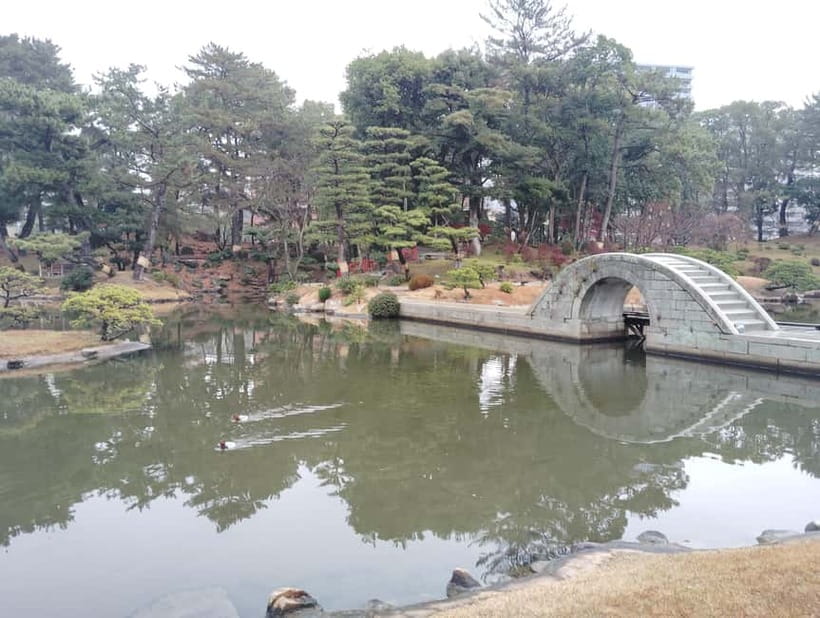
Shukkei-en was built about 300 years ago as a garden for a feudal lord. That places it in the tradition of daimyo gardens, large private pleasure grounds built around water, carefully framed views, and structures for sitting, watching, and enjoying the seasons.
The garden’s central pond is the key. Rather than simply walking through a collection of flower beds, you follow paths that keep changing your view of the water and its buildings. One turn brings the curved stone bridge into view. Another leads your eye toward the boat landing or the stage used for moon viewing.
I like this style of garden because it rewards a slow pace. You are not rushing from one famous monument to the next. The pleasure comes from how the parts work together: water in the middle, paths at the edge, and small architectural details placed where they can be appreciated.
Shukkei-en also reflects a common garden idea of recreating famous scenic places in a smaller setting. You should not expect a literal copy of several major destinations. Instead, expect a series of carefully arranged scenes that suggest different kinds of beauty within one compact area.
That design gives the garden a peaceful mood even though Hiroshima is a large city. If you have spent the morning moving between major sights, this can be a welcome change of pace. The city does not disappear, but the garden gives you a quieter setting for 90 minutes.
More Garden Tours in Japan:
- Osaka: teamLab Botanical Garden Entry Ticket
★ 4.5 · 1,710 reviews - Imperial Palace East Garden and Edo Castle Walking Tour in Tokyo
★ 5.0 · 510 reviews - Kyoto Zen Meditation & Garden Tour at a Zen Temple with Lunch
★ 5.0 · 441 reviews
Meeting the guide and entering the garden
The meeting point is in front of Shukkei-en. Look for the guide holding a yellow sign with the DeepExperience logo. This is a useful detail because the experience does not begin at a hotel or a separate office. You need to make your way to the garden entrance yourself.
Once you meet, the guide leads the visit inside and provides the garden entrance fee as part of the experience. English and Japanese are the available languages, and the group is private. That means the visit can feel more personal than a large scheduled group walk, particularly when you want to ask questions or pause for photographs.
The private format is one reason I can see the price making sense for some people. You are paying not only to enter the garden, but also for a guide who can explain why the pond is central, what the structures were used for, and how the garden fits the daimyo tradition.
Still, you should judge the value honestly. At $58 per person, this is not a cheap admission ticket. If you only want to stroll on your own and take pictures, buying entry without a guide may be more economical if that option is available separately. The guided format is best for you if context and personal attention matter.
The central pond gives the garden its shape
The first major feature to understand is the large pond at the center of Shukkei-en. Daimyo gardens were often organized around water, and this pond provides the visual anchor for the entire visit.
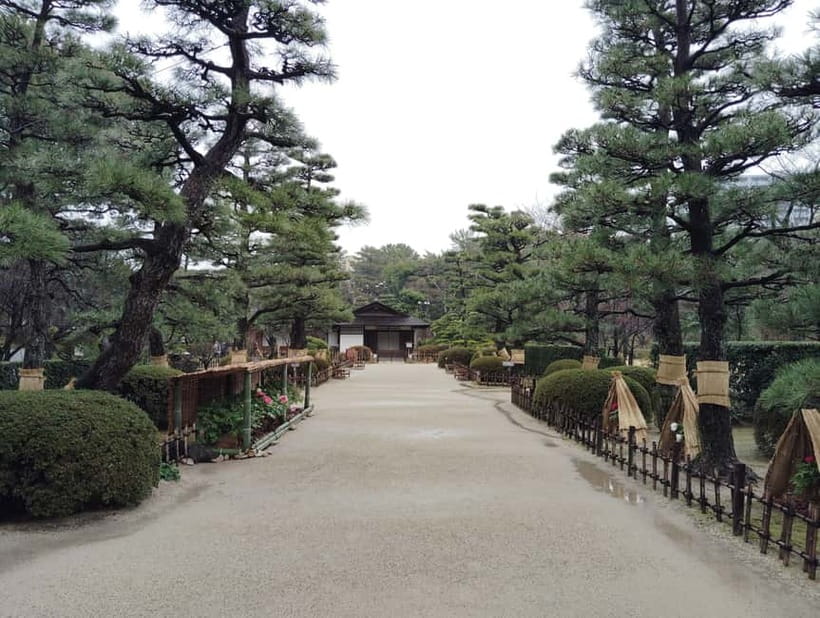
As you walk along the pathway beside it, the view keeps shifting. You may look across the water toward a building, then turn and see a bridge framed by trees and open space. The appeal is not one single postcard view. It is the changing relationship between the path, the pond, the structures, and the surrounding plant life.
Your guide can help you notice details that are easy to pass without context. A private guide is especially useful here because you can ask why a certain building sits beside the water or how the garden was meant to be viewed. The supplied feedback gives this part of the experience strong support: Emiko was praised for clear explanations and a friendly manner.
The central pond also makes this outing a good choice for photographers and anyone who likes composed views. You can enjoy the reflections, the curved bridge, and the buildings from several angles. Since the visit lasts 90 minutes, you have time to look rather than simply walk from the entrance to the exit.
Bridges, buildings, and the art of looking
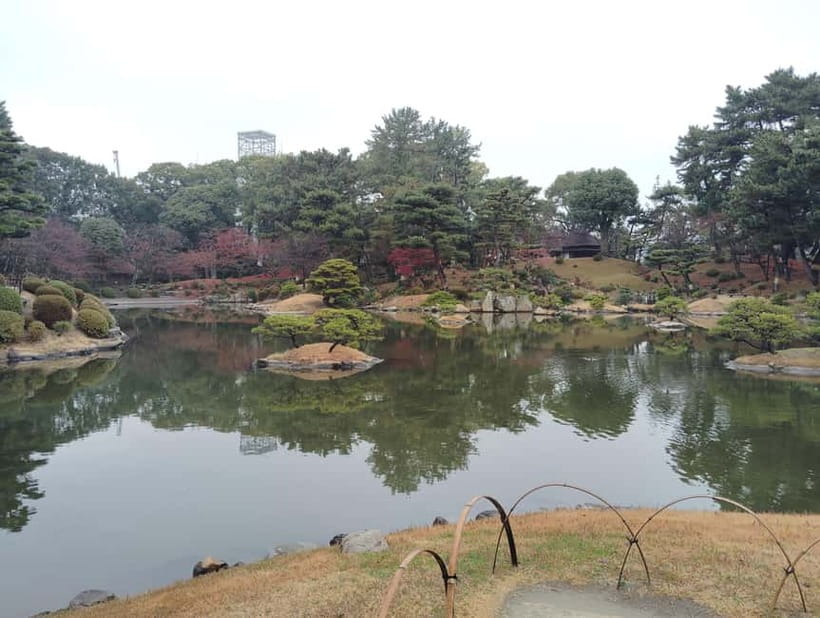
The curved stone bridge is one of the garden’s most attractive features. Its shape adds movement to an otherwise calm scene, and it helps show how the garden combines practical paths with carefully planned views.
The boat landing gives another clue to the garden’s original purpose. It is not just decoration. It points to a time when water, boats, and garden buildings were part of a lord’s leisure setting. You do not need a specialist background to appreciate it, but the guide’s explanation can make the feature feel more meaningful.
The stage for viewing the moon adds a particularly human touch. It reminds you that the garden was made for sitting and watching nature, not merely for walking through it. The experience is at its best when you give yourself permission to slow down and enjoy these details.
I like that the tour does not present the garden as a collection of isolated objects. The structures matter because of their placement. The bridge works with the pond. The boat landing belongs to the water’s edge. The moon-viewing stage makes sense as a place from which to enjoy the night sky and the garden around it.
You should also set realistic expectations. The description gives specific features but not a full account of every building, plant, or seasonal display. The guide can explain the garden during your visit, but you should book this for the overall setting and design rather than for one particular flower or a guaranteed seasonal sight.
Same place, a different sort of green day out:
- Mt. Fuji Day Trip from Tokyo with English Speaking Driver Guide
★ 5.0 · 443 reviews - Kyoto Arashiyama Bamboo forest & Garden Half-Day Walking Tour
★ 5.0 · 413 reviews - Tokyo: Imperial Palace East Gardens Walking Tour
★ 4.8 · 353 reviews - Mt. Fuji, Cherry Blossom & Shiba Sakura Pvt. Day Tour
★ 5.0 · 326 reviews
A 90-minute route with room to slow down
The planned visit is simple: meet at Shukkei-en, tour the garden with the guide for about 90 minutes, and finish back at the same garden. There is no second attraction, meal stop, or transport segment built into the experience.
That simplicity can be a strength. You know exactly what you are getting, and the time commitment is easy to fit between other Hiroshima plans. A 90-minute walk gives you enough time to see the main garden features without turning the visit into an all-day activity.
The route follows pathways around the pond and through the garden’s different views. You can expect stops for sightseeing, photographs, and explanations. The pace is likely to be more thoughtful than a quick entrance-and-exit visit, though the exact order of stops may depend on the guide and the conditions that day.
For your schedule, allow more than 90 minutes overall. The tour itself lasts 90 minutes, but you still need time to reach the entrance and meet the guide. Since the meeting and return point are both at Shukkei-en, planning around the garden is straightforward.
A short tour also has a limitation. If you like to linger at every viewpoint, ask many questions, or take extensive photographs, the time may pass quickly. A private group helps because you can communicate with the guide, but the official duration remains 90 minutes.
What the guide adds to the experience
A garden can be beautiful without an explanation, but its design can be hard to read. The guide helps connect the visible details with the garden’s role as a feudal lord’s retreat and with the wider tradition of daimyo gardens.
The most useful guidance should help you understand three things: why the pond sits at the center, how the paths create changing scenes, and why features such as the bridge, boat landing, and moon-viewing stage were placed where they are.
The available languages are English and Japanese. This is important for mixed-language groups. One booking involved a Japanese participant and a German friend, and the feedback specifically praised guide 尚子 for making the visit highly enjoyable. Another German participant described Emiko as very kind and clear, and called the garden especially peaceful.
Those comments point to the tour’s strongest feature: the quality of the personal explanation. You are not just paying for someone to walk beside you. You are paying for a human connection that can make the garden easier to understand and more memorable.
The experience has received a perfect rating from three verified bookings. That is encouraging, especially because the praise focuses on the guide’s warmth, clarity, and the garden’s calm atmosphere. It is still a small sample, so I would treat it as a positive signal rather than a guarantee that every tour will feel identical.
Is $58 per person good value?
At $58 per person, this is a premium short activity. The price includes the Shukkei-en entrance fee and a professional guide, but not food or drinks. The included garden admission matters, yet the real value comes from the private format and the live explanation.
I would consider it good value for a couple, family, or small private group that wants a focused cultural experience. You get 90 minutes with an English or Japanese-speaking guide, rather than joining a large crowd or trying to decode the garden without background.
I would be more cautious if you are watching every yen or already understand Japanese garden design well. The garden itself may be enough for you, and the added cost could feel high for a short walk. The decision depends on how much you value personal guidance.
The private group format also makes the price easier to justify when several people are sharing the experience. You can ask questions that fit your interests, and the visit is not built around a fixed public group’s needs.
Who should book this garden walk?
I recommend this experience if you want a quiet cultural stop in central Hiroshima, especially after visiting more emotionally demanding sites. The garden offers nature, water, architecture, and a slower rhythm without requiring a full day.
It also suits first-time visitors who want help understanding Japanese garden design. The guide can point out how the pond, pathways, bridges, and viewing structures fit together.
Families and older visitors may appreciate the short duration, though the information provided does not describe surfaces, slopes, or accessibility arrangements. If mobility access is important to you, ask the provider before booking rather than assuming the paths will suit your needs.
This is less suitable if you want a broad overview of Hiroshima, a food experience, or a long architectural tour. Shukkei-en is the focus from start to finish. That narrow scope is exactly what makes the visit peaceful, but it also means you should not expect a city tour.
You can cancel up to 24 hours before the activity for a full refund, and reserve now while paying later. Those terms are useful if your Hiroshima schedule is still changing.
Should you book Shukkei-en with a guide?
Book it if you value calm scenery, thoughtful garden design, and a private explanation in English or Japanese. The central pond, curved stone bridge, boat landing, and moon-viewing stage give the 90-minute walk plenty to see, while the city setting makes it easy to fit into a busy day.
The strongest reason to choose this experience is the guide. Emiko’s clear, friendly approach and guide 尚子’s warm handling of a Japanese and German pairing suggest that personal service is a major part of the appeal.
Skip it if $58 feels high for a short garden visit or if you prefer exploring independently. For everyone else, this is a focused and peaceful way to see a historic Hiroshima garden without surrendering half a day.
FAQ
Where does the Shukkei-en Garden tour start?
The tour starts in front of Shukkei-en Garden. The guide will hold a yellow sign with the DeepExperience logo.
How long does the experience last?
The guided visit lasts 90 minutes, or one and a half hours.
What languages are available?
The live tour guide is available in English or Japanese.
Is this a private tour?
Yes. The experience is arranged for a private group.
Is the Shukkei-en entrance fee included?
Yes. The entrance fee for Shukkei-en Garden is included.
Is a guide included in the price?
Yes. A professional guide fee is included.
Are food and drinks provided?
No. Food and drinks are not included.
Can I cancel for a full refund?
Yes. You can cancel up to 24 hours in advance for a full refund.
Just added around Japan
- Private tour – Scenic Fuji Escape: Hakone, Peace Park & More★ 5.0 · 4 reviews
- TOKYO: Tailored Gardens tour with Pro Gardener by E-bike -BASIC★ 5.0 · 2 reviews
- Tsukiji Food Strolling and Hama Rikyu Garden Walking Tour★ 5.0 · 7 reviews
- Tokyo: Serene Sakura & Sake: An Exclusive Brewery Pairing Lunch★ 5.0 · 2 reviews
- Full Guided Mt. Fuji & Shiba-Sakura Festival One Day Pvt.Tour★ 5.0 · 6 reviews
- Tokyo Cherry Blossom Half Day Walking Tour with a Local Guide★ 3.5 · 4 reviews
- Cherry Blossom Highlights, Asakusa, Ueno, Imperial Palace Garden★ 4.5 · 4 reviews
- Japanese Garden & Western Architecture: Akasaka exploration tour★ 5.0 · 9 reviews
Japan Garden Tours, compared.
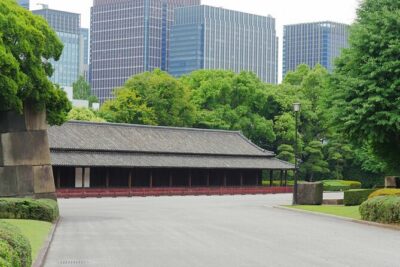
Imperial Palace East Garden and Edo Castle Walking Tour in Tokyo
Read our review →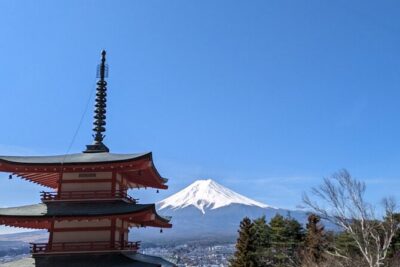
Mt. Fuji Day Trip from Tokyo with English Speaking Driver Guide
Read our review →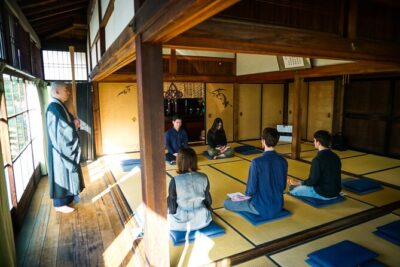
Kyoto Zen Meditation & Garden Tour at a Zen Temple with Lunch
Read our review →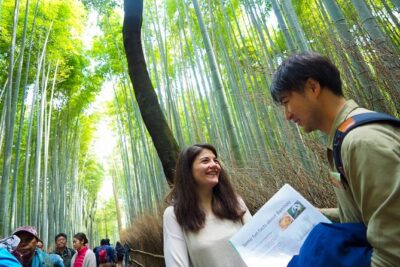
Kyoto Arashiyama Bamboo forest & Garden Half-Day Walking Tour
Read our review →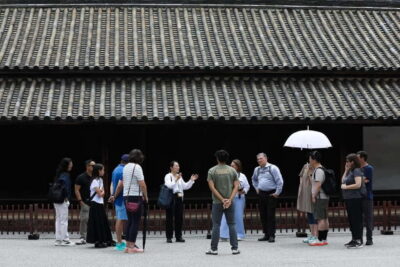
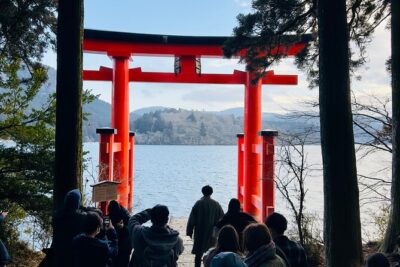
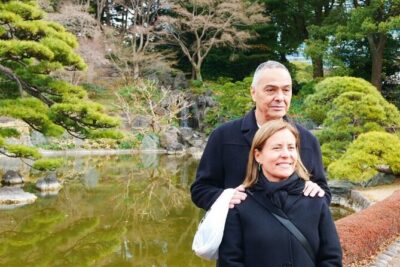
Edo Castle & East Garden of the Imperial Palace Tour
Read our review →Browse the lists this tour appears in