
Review · KANAZAWA
Kanazawa Private Tour: Highlights of an Old Samurai Town
Kanazawa rewards curious walkers. This seven-hour private tour links the city’s food market, castle, garden, Zen museum, and samurai quarter with an English-speaking guide. I like the one-group format, which lets you ask questions and adjust the day, and I like the mix of major sights with the Nomura family home. The main drawback is the amount of walking over uneven ground, including mountain paths, so comfortable shoes and moderate fitness are essential.
The price is $171.73 per person, with group discounts available. That is not a bargain for a solo visitor, but it can be fair value for a small private group because admission fees, bus tickets, hotel pickup, hotel drop-off, and an English guide are included. Food, drinks, and private taxi or car transport cost extra.
Key points at a glance
- Five carefully chosen stops: Omicho Market, Kanazawa Castle, Kenrokuen Garden, the D. T. Suzuki Museum, and Nomura Family Samurai House.
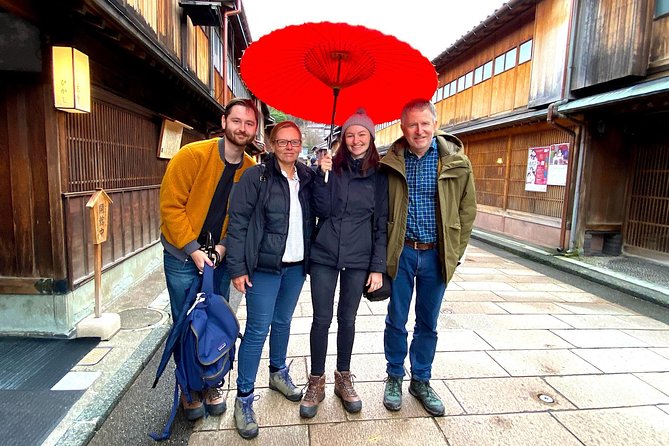
- Private guidance matters: Only your group participates, with a maximum of eight people per booking.
- Strong local support: Guides such as Yumi, Yumiko, Yuri, Kazu, Makiko, and Toshiko have been praised for friendly service, clear English, and flexible help.
- A full day on foot: The schedule includes roughly four hours of sightseeing time, plus walking and bus travel between stops.
- Good cultural range: You get food, feudal power, garden design, Zen thought, and samurai domestic life in one day.
- Useful extra help: Guides have helped with train arrangements, local buses, meals, coffee stops, and even reservations for the Ninja Temple.
Why this private Kanazawa tour works
Kanazawa is often compared with Kyoto and Tokyo for its cultural importance, but it feels calmer and easier to handle. That makes a private walking tour especially useful. You can cover important sights without spending your day sorting out bus routes, admission procedures, and the best order of stops.
The route also tells a clear story. Omicho Market introduces the city through food and daily life. Kanazawa Castle explains the power of the Maeda family. Kenrokuen shows how that wealth was expressed through garden design. The D. T. Suzuki Museum shifts the focus to Zen philosophy, while Nomura Family Samurai House brings the old warrior class down to a human scale.
I like that the day is not built around only one type of attraction. If you want nothing but temples or gardens, this is not that tour. If you want a useful first look at Kanazawa, the mix is much stronger.
The private format is its biggest advantage. With a maximum of eight people, the guide can respond to your interests instead of delivering a fixed speech to a large crowd. Previous guide feedback highlights this flexibility. Yumiko, for example, adjusted explanations to suit questions and helped with matters outside the formal route. Yumika assisted with train arrangements and adapted the day to food preferences. Yuri added a traditional lunch stop, a coffee and tea break, and help learning to use the local bus.
Those extras are not guaranteed, so do not book expecting a specific restaurant, parade, or added attraction. Still, they show what a good private guide can do when time and interests allow.
Other gardens people visit around Japan:
- Osaka: teamLab Botanical Garden Entry Ticket
★ 4.5 · 1,710 reviews - Imperial Palace East Garden and Edo Castle Walking Tour in Tokyo
★ 5.0 · 510 reviews - Mt. Fuji Day Trip from Tokyo with English Speaking Driver Guide
★ 5.0 · 443 reviews
Starting with seafood at Omicho Market
Omicho Market is known as the kitchen of Kanazawa. Seasonal fish, fruit, and seafood arrive here, including crabs from the Sea of Japan. The tour allows about 40 minutes, and admission is free.
This is a smart first stop because it gives you a quick feel for present-day Kanazawa before the day moves into castles and gardens. You can look at the produce, watch the movement of shoppers, and ask your guide about regional food. It also gives you a chance to think about lunch, although food and drinks are not included in the tour price.
Forty minutes is enough for an introduction, but not enough for a slow meal and extensive shopping. If seafood interests you, tell the guide early. The tour information asks you to provide dietary requirements when booking, and a vegetarian option is available. Use that opportunity rather than waiting until the market.
The market can also be a sensory start to the day. It is practical, local, and less formal than the later stops. I would not treat it as a full food tour. Treat it as a guided orientation to Kanazawa’s eating culture.
Reading Kanazawa’s power at the castle
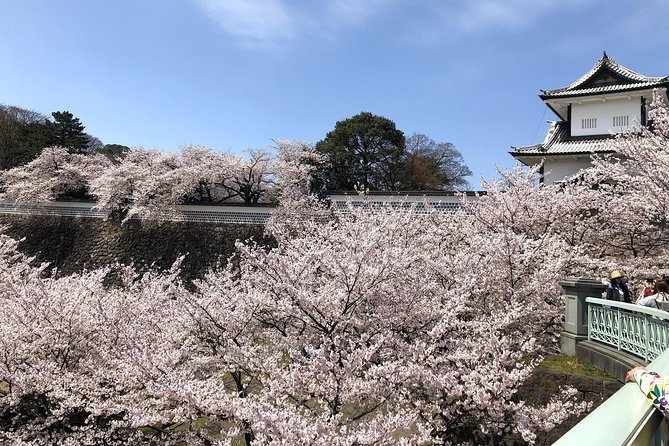
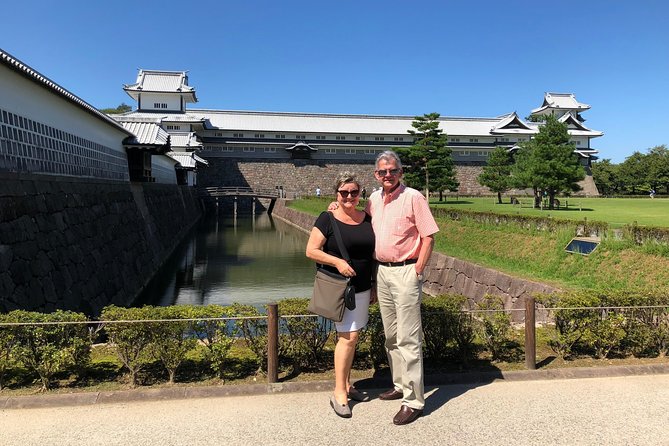
Kanazawa Castle receives about 45 minutes, with admission included. The castle was built in 1583 by Toshiie Maeda and served as the residence of the Maeda family of the Kaga clan until 1869.
The castle is central to understanding why Kanazawa developed such strong artistic and cultural traditions. The Maeda family controlled a powerful domain, and that wealth supported architecture, gardens, crafts, and learning. The castle grounds make that political story easier to grasp than a museum label alone.
The tour information notes that most buildings were lost, with Ishikawa Gate and the 30 Nagaya structure among the surviving or restored features identified for visitors. Your guide can help separate original elements from later reconstruction, an important distinction when looking at historic Japanese sites.
The 45-minute visit is focused rather than leisurely. You will get the main context and key views, but you may not have time to explore every corner at a slow pace. That is a fair trade on a seven-hour route, especially if you are seeing Kanazawa for the first time.
Taking your time in Kenrokuen Garden
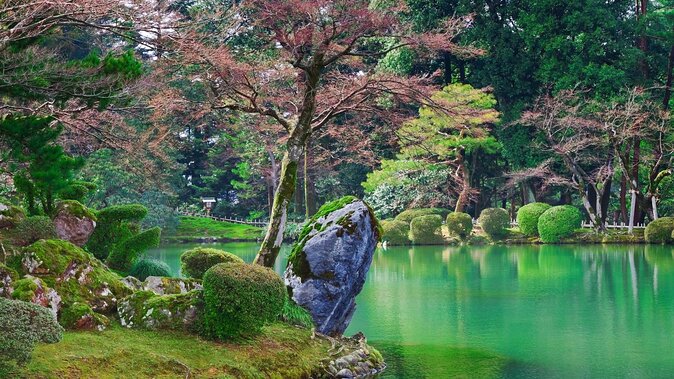
Kenrokuen is the longest scheduled stop, at one hour. Admission is included. It is one of Japan’s three famous national gardens, alongside Kairakuen in Mito and Korakuen in Okayama.
The garden is designed around qualities prized in Japanese garden making, including space, water, age, viewpoints, and careful balance. You do not need a technical lesson to enjoy it, but a guide can point out why paths, ponds, bridges, trees, and borrowed views are arranged as they are.
Kenrokuen changes with the seasons. The supplied description specifically notes its appeal throughout the year and its winter appearance. Severe winter weather can force changes to the agenda, so anyone visiting in that season should keep plans flexible.
An hour gives you enough time to appreciate the garden without turning the entire day into a garden visit. If you are a serious garden enthusiast, you may wish you had longer. For most first-time visitors, the guided hour is a useful introduction, particularly because the castle and garden belong together historically and geographically.
Wear shoes that are easy to walk in. Even though this is not presented as a strenuous hike, the full day includes uneven surfaces and mountain paths. A garden can look gentle while still putting a lot of work through your feet.
Same place, a different sort of green day out:
- Kyoto Zen Meditation & Garden Tour at a Zen Temple with Lunch
★ 5.0 · 441 reviews - Kyoto Arashiyama Bamboo forest & Garden Half-Day Walking Tour
★ 5.0 · 413 reviews - Tokyo: Imperial Palace East Gardens Walking Tour
★ 4.8 · 353 reviews - Mt. Fuji, Cherry Blossom & Shiba Sakura Pvt. Day Tour
★ 5.0 · 326 reviews
A quiet pause at the D. T. Suzuki Museum
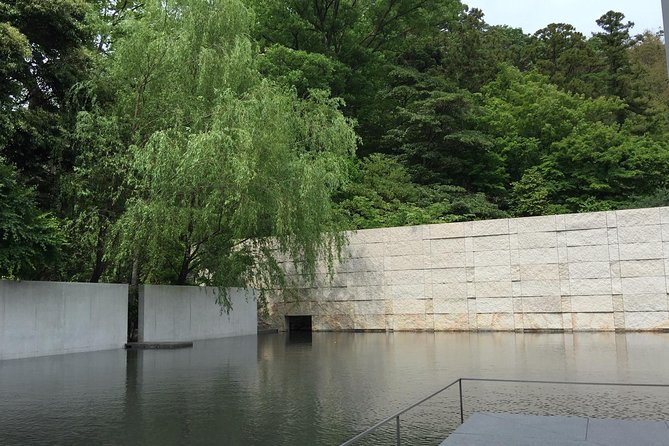
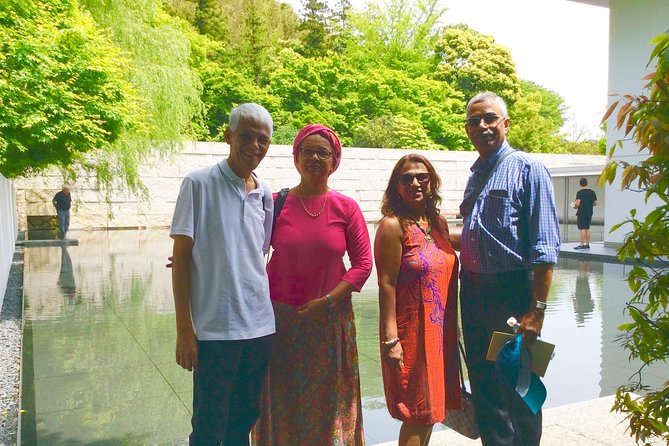
The D. T. Suzuki Museum receives about 50 minutes, with admission included. It honors Suzuki Daisetsu, the Kanazawa-born Buddhist philosopher who helped introduce Zen culture to audiences outside Japan.
This stop changes the rhythm of the day. After the market, castle, and garden, the museum offers a quieter setting for reflection and ideas. It also gives the tour more depth than a standard sightseeing circuit. You are not only looking at old buildings. You are considering how Japanese thought was presented to the wider world.
The museum was designed by Yoshio Taniguchi, according to the supplied description. The architecture is part of the visit, so pay attention to the relationship between the building, water, open space, and quiet viewing areas.
This may be the most personal stop on the route. If philosophy and Zen interest you, 50 minutes could pass quickly. If you prefer fast-moving sightseeing, the stillness may feel slow. Your private guide can help explain the main ideas without requiring you to arrive with any background.
I especially like this inclusion because many city tours stop at the obvious landmarks. A museum devoted to a local philosopher gives you a different way to understand Kanazawa and its cultural reach.
Entering the Nomura family samurai home
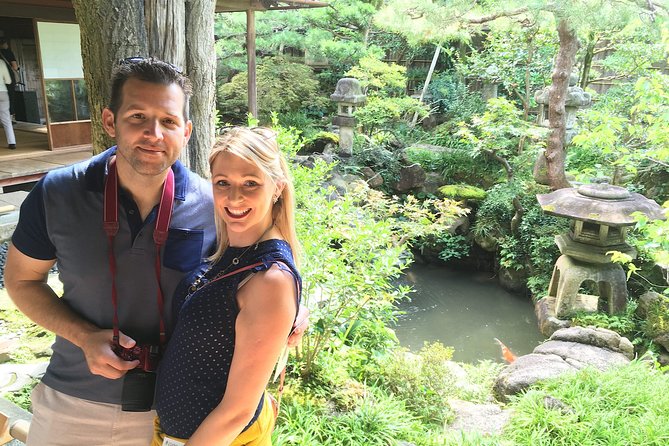
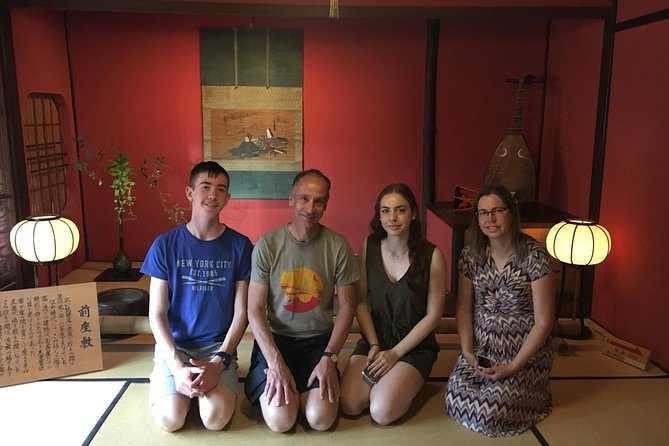
The final listed stop is Nomura Family Samurai House, with about 50 minutes allotted and admission included. The house contains displays about earlier life in Kanazawa and a small garden.
This is where the samurai class becomes more tangible. A castle shows public authority. A family residence shows how status, design, work, and domestic life fit together. The preserved interior and attached garden help you picture a household rather than only an army or ruling clan.
The small garden is a key reason to slow down. Japanese homes often use compact spaces with great care, and the garden gives the visit a more intimate scale after the broad grounds of Kenrokuen.
Fifty minutes should be enough for the main rooms, displays, and garden. If historic interiors are your priority, you might want additional time, but the private guide can explain details that you could easily miss on your own.
The stop also completes the route neatly. You begin with ordinary food culture, then move through political power, public garden design, Zen thought, and private samurai life. That sequence makes the day feel connected rather than like a random checklist.
How the guide can change your day
The strongest part of this experience is likely to be the guide. The names praised in the supplied feedback include Yumi, Yumiko, Yumika, Yuri, Kazu, Makiko, and Toshiko. The repeated qualities are warmth, patience, clear English, flexibility, and affection for Kanazawa.
Yumiko was praised for giving a strong overview while answering questions beyond the formal tour. Yuri helped visitors find less obvious places, a local lunch, an afternoon tea or coffee stop, and the city bus. Toshiko helped arrange a visit to the Ninja Temple. These additions are examples, not promised inclusions.
The practical lesson is simple: tell your guide what matters to you at the start. Mention food restrictions, interest in gardens, your preferred walking pace, and any transport questions. A private guide cannot extend every stop, but can often explain what deserves your attention.
Do not expect one guaranteed guide. The experience uses several guides, so the personality and style may vary. The positive pattern is consistent, but your day will depend on who is assigned and how clearly you communicate your interests.
Price, transport, and walking demands
At $171.73 per person, the cost needs to be judged against what is included. You receive an English guide, admission fees, taxes, bus tickets, hotel pickup, and hotel drop-off. For a small group, that can be reasonable because you are paying for personal attention and local navigation, not just entry to sights.
The value is weaker if you are alone and comfortable arranging buses and tickets yourself. It improves for families, couples, or friends who want a private schedule and direct explanations. Group discounts may also make the per-person price more attractive.
There is a transport detail worth checking before you book. The tour includes bus tickets, while private taxi, car, or bus transport is available for an extra fee. The meeting information lists Kanazawa Station as the start and end point, while the tour description also says hotel pickup and drop-off are offered. Confirm the exact pickup arrangement for your hotel before the day begins.
The tour lasts about seven hours. The listed stops account for roughly four hours, leaving time for walking, buses, transitions, and questions. That is a full day, but not an unreasonable one for a city tour covering five separate places.
The walking warning is serious. Uneven surfaces and mountain paths are mentioned, and the tour is not recommended for people with walking disabilities. You should have moderate physical fitness and wear shoes that are easy to walk in. In severe winter weather, the route may change.
Cancellation is free up to 24 hours before the start time. Cancellations or changes made later are not refunded or accepted. If bad weather cancels the tour, you are offered another date or a full refund.
Who should book this Kanazawa day?
I would choose this tour if you have one full day in Kanazawa and want both the famous sights and a guide who can explain how they fit together. It is particularly well suited to first-time visitors, small groups, families with questions, and anyone who finds Japanese bus systems or historic sites difficult to navigate alone.
It also suits people who value conversation over a fixed audio guide. The private setup gives you room to ask about food, history, train travel, and local customs. The guide may also help you add a meal or nearby stop if the schedule allows.
I would think twice if you want a slow, specialist visit to only one subject. Garden experts may want longer in Kenrokuen. Food lovers may want a full market meal. People with limited mobility should not book without carefully discussing the walking conditions.
Should you book it?
Book this Kanazawa tour if you want an efficient first look at the city with a personal guide, included admissions, and help using public transport. Its best feature is not any single monument. It is the way the day joins food, feudal power, garden design, Zen thought, and samurai domestic life.
Skip it if you prefer to explore independently, need a low-walking itinerary, or want private car transport included in the base price. For everyone else, the combination of a seven-hour route and flexible local guidance makes this a sensible way to get your bearings while still leaving you with enough context to return to your favorite stop later.
FAQ
How long does the Kanazawa private tour last?
The tour lasts approximately seven hours.
What places are visited?
The route includes Omicho Market, Kanazawa Castle, Kenrokuen Garden, the D. T. Suzuki Museum, and Nomura Family Samurai House.
Is the tour private?
Yes. Only your group participates, and each booking can include a maximum of eight people.
Is hotel pickup available?
Hotel pickup and hotel drop-off are listed as included. The meeting information also lists Kanazawa Station as the start and end point, so confirm the exact arrangement for your hotel before the tour.
What is included in the price?
The price includes an English guide, hotel pickup and drop-off, admission fees and taxes, and bus tickets.
Are food and drinks included?
No. Food and drinks are not included.
Can I request a vegetarian option?
Yes. A vegetarian option is available, but you should advise the provider when booking. You should also provide any other dietary requirements at that time.
Is the tour suitable for people with walking disabilities?
No. The tour is not recommended for people with walking disabilities because of uneven surfaces and mountain paths. A moderate level of physical fitness is advised.
What happens if bad weather cancels the tour?
If severe weather causes cancellation, you will be offered a different date or a full refund. The agenda may also change during severe winter weather.
Just added around Japan
- Private tour – Scenic Fuji Escape: Hakone, Peace Park & More★ 5.0 · 4 reviews
- TOKYO: Tailored Gardens tour with Pro Gardener by E-bike -BASIC★ 5.0 · 2 reviews
- Tsukiji Food Strolling and Hama Rikyu Garden Walking Tour★ 5.0 · 7 reviews
- Tokyo: Serene Sakura & Sake: An Exclusive Brewery Pairing Lunch★ 5.0 · 2 reviews
- Tokyo Cherry Blossom Half Day Walking Tour with a Local Guide★ 3.5 · 4 reviews
- Cherry Blossom Highlights, Asakusa, Ueno, Imperial Palace Garden★ 4.5 · 4 reviews
- Full Guided Mt. Fuji & Shiba-Sakura Festival One Day Pvt.Tour★ 5.0 · 6 reviews
- Licensed Guide Tokyo Meguro Cherry Blossom Walking Tour★ 4.5 · 13 reviews
Kanazawa Garden Tours, compared.
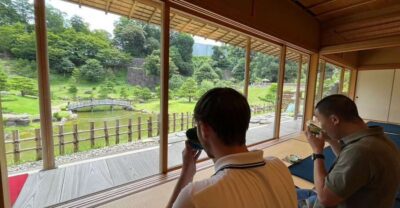
Samurai, Matcha, Gardens and Geisha Full-Day Tour
Read our review →
Full-Day Tour from Kanazawa: Samurai, Matcha, Gardens and Geisha
Read our review →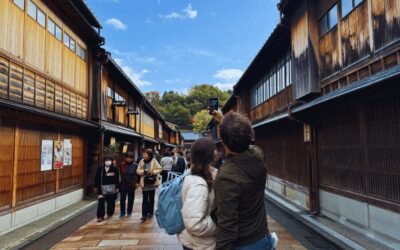

Colors of Kanazawa (Traditional Crafts and Gardens)
Read our review →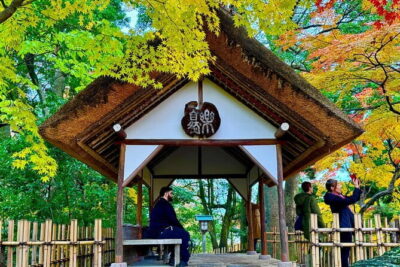
Kanazawa Half Day Private Tour – Castle, Garden, Geisha District
Read our review →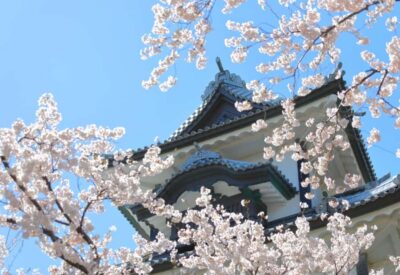
Private & Unique Kanazawa Cherry Blossom “Sakura” Experience
Read our review →Browse the lists this tour appears in