
Review · KANAZAWA
Kanazawa: Samurai, Matcha, Gardens and Geisha Full-Day Tour
Kanazawa rewards slow walking. This full-day tour links the city’s samurai homes, castle grounds, famous gardens, and geisha quarter in one well-planned route. I especially like the matcha served with wagashi in a traditional tea house and the chance to enter preserved samurai and geisha buildings, not just admire them from the street. The main drawback is the amount of walking, which can reach 12 kilometers or more than 27,000 steps.
I also like how the route mixes major sights with quiet side streets and local residences. Guides such as Mike, Akari, Gareth, Daniel, Lee, and Mohammed have been praised for explaining history clearly, adapting the pace, and helping with practical matters such as train tickets. Still, this is an outdoor day in all weather, so cold, rain, snow, and slippery pavements can change the experience.
Key points to know before booking
- A full day on foot: Expect several hours of walking between Kanazawa Station, Nagamachi, the castle, Kenroku-en, and the eastern tea district.
- Strong cultural range: Samurai homes, a Shinto shrine, castle architecture, a formal garden, matcha, and a preserved geisha house all appear in one day.
- Matcha is more than a quick drink: You learn how to drink it properly while kimono-clad staff serve tea and artistic wagashi.
- Kenroku-en gets real attention: The garden visit lasts about 90 minutes, enough time for explanations and independent looking.
- Lunch is your responsibility: Your guide can suggest places, and Omicho Market has been a popular stop, but lunch is not included.
- Best for curious walkers: This suits you if you want context and conversation, not simply transport between photo stops.
Why this Kanazawa walking tour works
Kanazawa is compact enough to explore on foot but spread out enough that first-time visitors can lose time choosing routes. This tour gives you a clear path through the city’s most important historic areas, beginning and ending at Kanazawa Station.
The route has a good rhythm. You walk through residential streets, stop for guided explanations, get free time in some districts, sit for matcha, pause for lunch, and then continue to the garden and tea quarter. It is not a bus tour with windows between you and the city. You see ordinary streets, wooden temples, narrow lanes, stone walls, and the change from modern Kanazawa to old Kanazawa.
The English-speaking guides are a major part of the value. The strongest feedback centers on guides who explain without drowning you in dates, answer questions, and adjust the pace. Daniel was noted for being patient with children, while Mike was praised for making long walks feel worthwhile. Akari was described as friendly and flexible, and Gareth brought history and humor into the day.
The tour is priced at $156 per person. That is not cheap for a walking experience, but it includes the guide, Kenroku-en admission, the matcha experience, and entry to Shima, the preserved geisha house. If you visited every site independently, you would save on the guiding fee, but you would also need to plan the route, interpret the buildings, and manage the timing. For a first visit, the combination of access and explanation gives the price reasonable value.
More Full-Day Outings in Japan:
- Full-Day Tour from Kanazawa: Samurai, Matcha, Gardens and Geisha
★ 5.0 · 68 reviews - Private Car Full Day Tour of Osaka Temples, Gardens and Kofun Tombs
★ 5.0 · 24 reviews - Tokyo: Full-Day Japanese Garden Private Guided Tour
★ 4.6 · 13 reviews
Starting beneath Kanazawa Station’s giant sumo wrestlers
The meeting point is outside the Shinkansen ticket gates, in front of the information center. Look for the four large sumo wrestler figures near the East Entrance, then find the guide wearing a Snow Monkey Resorts tour tag.
Before the walking begins, you get a quick look at Tsuzumi-mon, the station’s modern gate inspired by traditional Japanese forms. It is a useful introduction to Kanazawa’s character: old design ideas are still present, but the city is not frozen in the past.
From the station, the route heads toward Nagamachi along side streets. This first section takes about 30 minutes. It is not wasted transit. You pass local homes and occasional wooden temples, with the guide pointing out details you could easily miss when walking alone.
Nagamachi reveals the samurai below the top rank
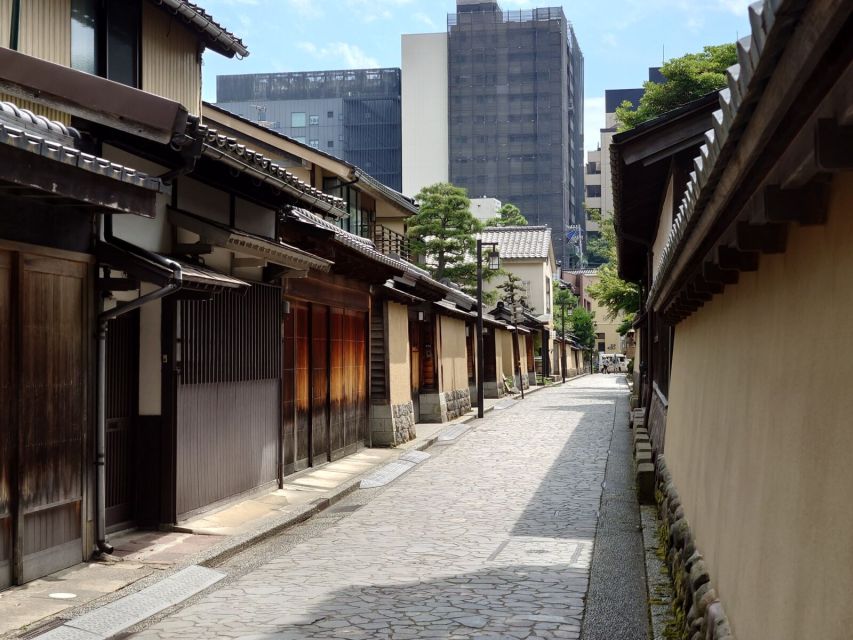
Nagamachi is Kanazawa’s samurai district, known for its crooked lanes, earthen walls, and carefully preserved homes. The important point is that the area is not presented as a stage set for heroic warriors. You also see residences associated with lower-ranking samurai, giving a more grounded picture of how these families lived.
The visit to Nagamachi lasts about 110 minutes, the longest stop of the day. That gives your guide time to explain the social order, house design, family life, and the role of samurai in the old domain.
You may enter modest samurai residences and see the difference between a warrior household of limited means and the grander image often attached to samurai culture. This is one of the tour’s best features because it adds scale. History becomes easier to understand when you see the rooms and gardens rather than only hearing about rank.
There is also free time to browse local crafts and wares. Do not expect a long shopping session, but this pause lets you look at Kanazawa’s traditional products without the whole group standing over your shoulder.
The practical issue is footing. Nagamachi has uneven streets and the day continues for many hours. Wear shoes that are comfortable, secure, and suitable for wet weather.
Oyama Shrine mixes Japanese and Western design
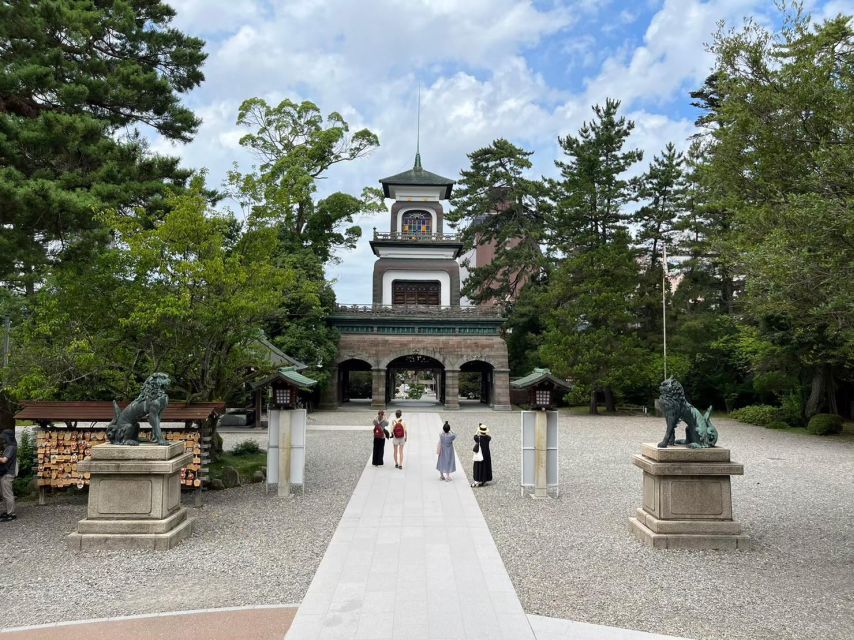
The short visit to Oyama Shrine lasts about 10 minutes, but the building deserves attention. Its unusual gate combines Japanese and Western elements, reflecting the changes that reached Japan in the 19th century.
The stained glass is the feature to watch for. It gives the shrine a look unlike the more familiar all-wood Shinto sites. Behind the shrine, the route passes a koi pond and a small garden before reaching a large wooden bridge.
This is a good example of how the tour adds connections between stops. You are not simply ticking off a shrine. You see how religious buildings, gardens, bridges, and castle grounds fit together in the older city plan.
More Garden Tours in Japan:
- Osaka: teamLab Botanical Garden Entry Ticket
★ 4.5 · 1,710 reviews - Imperial Palace East Garden and Edo Castle Walking Tour in Tokyo
★ 5.0 · 510 reviews - Kyoto Zen Meditation & Garden Tour at a Zen Temple with Lunch
★ 5.0 · 441 reviews - Kyoto Arashiyama Bamboo forest & Garden Half-Day Walking Tour
★ 5.0 · 413 reviews
Matcha at Gyokusen-an makes a welcome pause
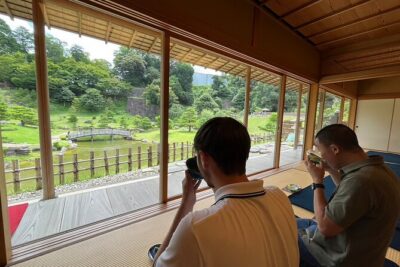
After Oyama Shrine, you cross the wooden bridge and pass through an impressive gate into the Kanazawa Castle grounds. The route then pauses at Gyokusen-an tea house, set beside a garden at the base of the castle’s large stone walls.
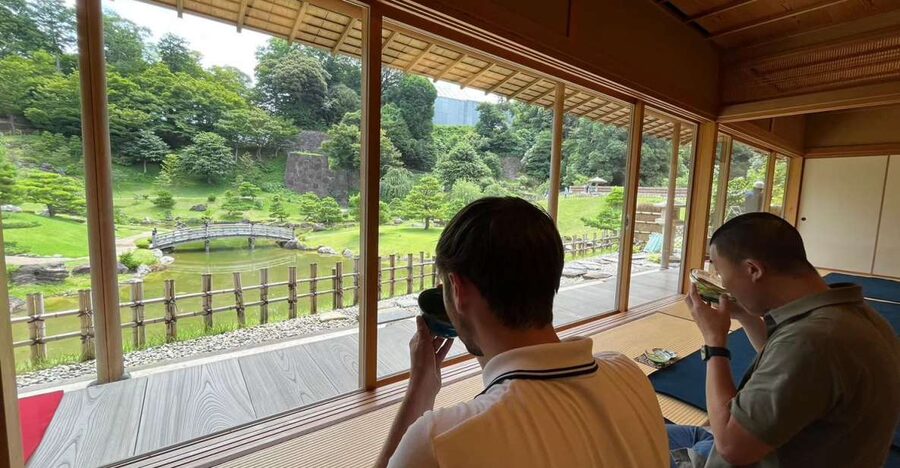
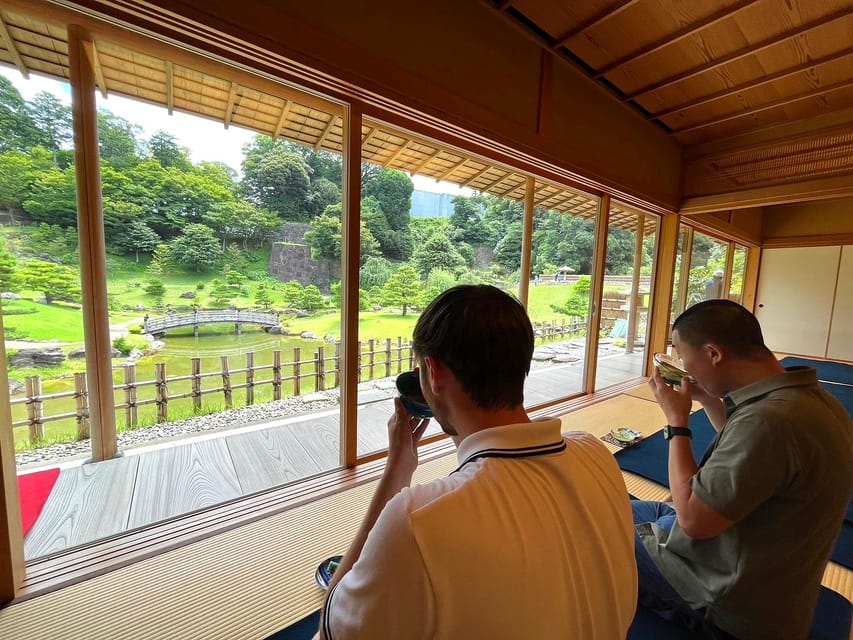
This is one of the most memorable parts of the day. The tea house has a refined Japanese interior, and kimono-clad staff serve matcha with artistic wagashi sweets. Your guide explains the proper way to drink the tea, so you get a little instruction rather than simply receiving a cup and moving on.
The setting matters. Matcha beside a garden and castle stonework feels connected to the place, not added as a generic refreshment. It also gives your legs a break before the afternoon walking.
Special events are sometimes held at Gyokusen-an. If that happens, the tea tasting moves to another location. The matcha experience remains part of the day, but the exact setting can change.
Lunch is not included. This is both a limitation and a small advantage. You choose what suits your appetite and budget, and the guide can recommend nearby options. Omicho Market has been a particularly popular lunch choice, offering a chance to eat among local food stalls and shops. Keep in mind that a long lunch can affect the pace of the afternoon, so follow the guide’s timing.
Kanazawa Castle connects power, stone, and garden design
The route continues through Kanazawa Castle before entering Kenroku-en. The castle is partially restored, so you are not visiting a single intact medieval fortress. Instead, you see grounds, gates, walls, and rebuilt structures that help explain the scale and importance of the old domain.
Your guide can make the castle easier to read. The huge stone walls are not just dramatic backdrops. They show the defensive and political weight of the castle, while the route through its grounds connects the seat of power with the garden created for its lords.
The walking surface can vary, and there may be exposed sections. In winter, snow and ice can appear on roads and pavements. Bring warm shoes with good grip, especially if you visit between late autumn and early spring.
Kenroku-en earns its 90-minute visit
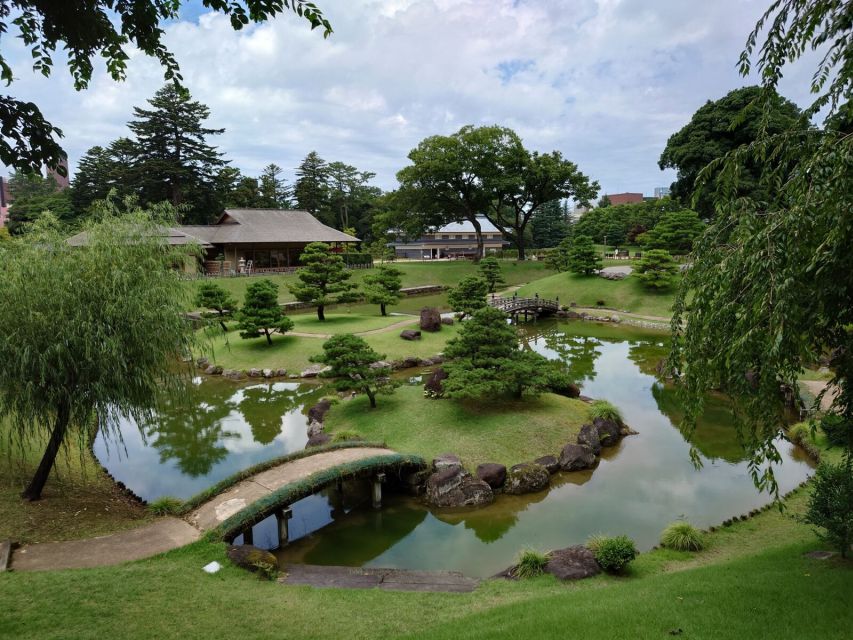
Kenroku-en is often counted among Japan’s finest gardens, and the tour allows about 90 minutes here. That is enough time to learn how the garden was shaped over more than 200 years and still have room to look around at your own pace.
A guide is useful because the garden can seem like a series of beautiful views without a clear story. You learn how the lords of Kanazawa developed it, how the spaces relate to one another, and why balance, borrowed scenery, water, stone, and seasonal planting matter.
The garden changes strongly with the weather. Rain can soften the colors and put mist around the castle walls. Snow gives the garden a quiet, almost monochrome look, while warmer seasons bring different planting and fuller paths.
There is no single perfect season here, but weather affects comfort. Bring an umbrella or raincoat in wet weather, and dress warmly if the forecast is below 10 degrees Celsius. Morning and evening temperatures may approach or fall below freezing in winter.
Higashi-chaya shows Kanazawa’s geisha culture
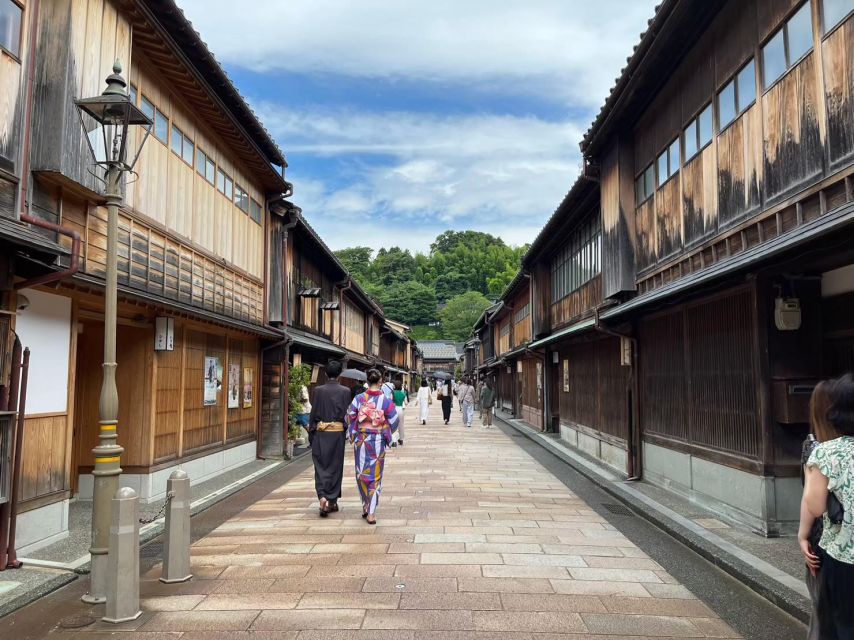
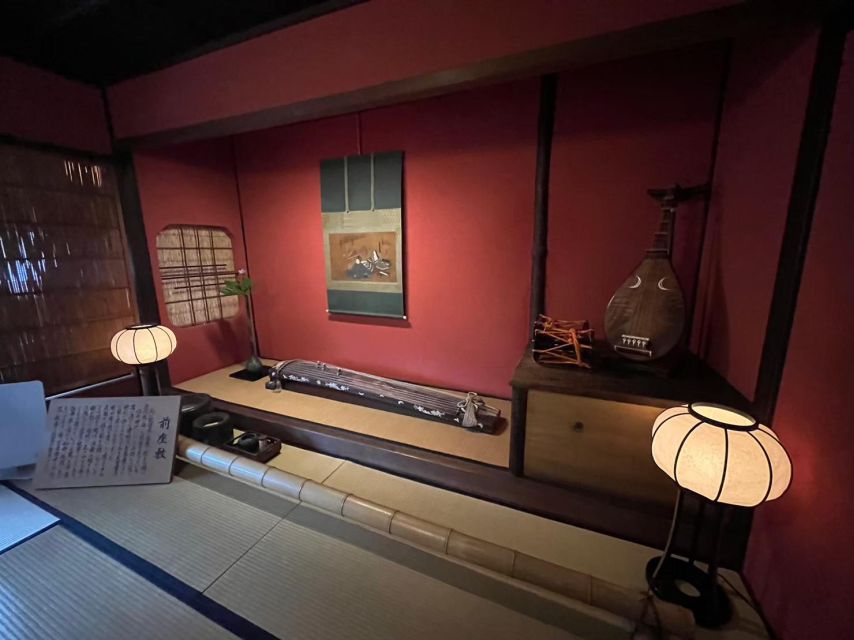
The final major district is Higashi-chaya, one of Kanazawa’s best-known areas. Its streets are lined with tall, two-story wooden tea houses. Some are painted red inside, a design detail especially associated with Kanazawa’s tea districts.
Your guide explains how tea houses worked and how geisha entertainment fits into the city’s cultural life. The district is attractive, but the value comes from understanding what the buildings were used for and why their architecture differs from ordinary homes.
You get about 40 minutes of guided time and free time for shopping and sightseeing. This is a useful place to browse, but be respectful around working businesses. Not every tea house is a museum or open to casual entry.
The schedule also includes entry to Shima, a preserved geisha house and heritage site. This gives you a closer look at the rooms, fittings, and design of a traditional tea house. It is one of the strongest stops for understanding how the public streets and private interiors fit together.
The supplied schedule places the Shima visit after Higashi-chaya and allows about an hour for it. The matcha experience is listed separately at Gyokusen-an, so you receive two different types of cultural access: tea preparation at the tea house and a preserved geisha building at Shima.
The return through Kazue-machi adds a quieter finish
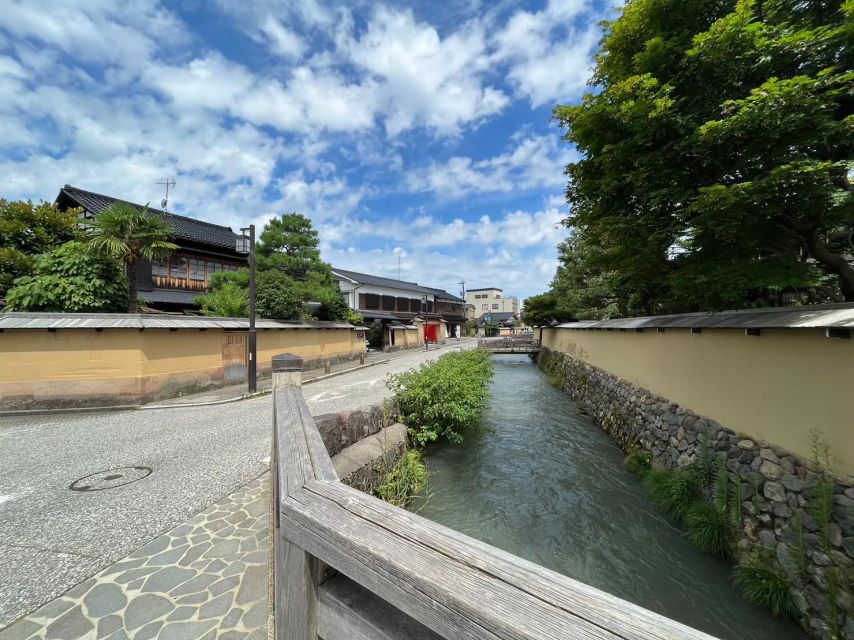
After Higashi-chaya and Shima, you head back toward Kanazawa Station. The route passes through Kazue-machi, a maze of narrow backstreets beside the river.
This final walk helps the day end on a calmer note. Instead of returning by the most direct modern route, you see another old neighborhood and more wooden architecture. The tour finishes back at the station, which is convenient if you are catching a train or continuing your Japan trip.
The return takes about 30 minutes on foot. By then, tired feet are likely to be your main concern. Several people have completed the day with 12 kilometers of walking or more than 27,000 steps, so do not treat the stated one-day duration as a relaxed sightseeing loop.
What the $156 price really buys you
The cost is easiest to justify if you value interpretation and efficient planning. The route covers several admission sites, and the guide supplies the historical links between them. You also avoid spending part of your day figuring out which streets and entrances connect the districts.
The inclusions are:
- English-speaking guide
- Matcha experience
- Kenroku-en admission
- Shima admission
Lunch, shopping, and personal purchases are extra. Public transport may also be used if the guide adjusts the route, as one guide did for a group, but the core experience is built around walking.
For independent visitors who enjoy reading signs and planning routes, $156 may feel high. For a first visit, families, or anyone who wants samurai, gardens, tea, and geisha culture explained in one day, the fee is more defensible.
Who should book this Kanazawa experience?
I would choose this tour if you have only one day in Kanazawa and want the main historic districts without sacrificing context. It is also a good choice if you are interested in Japanese social history, traditional architecture, gardens, or tea culture.
Families can do well here if children are comfortable walking. Daniel received praise for being patient with children, and several guides have adjusted stops and timing for different ages.
You should think twice if you dislike long outdoor walks, need frequent transport, or want a slow day with only one or two sights. The schedule is full, and free time is limited to selected parts of the route.
Book with weather in mind. In summer, heat and humidity can make the distance feel harder. In winter, temperatures may be below freezing, with snow and ice underfoot. Comfortable shoes are essential in every season, while warm clothing, rain gear, and an umbrella are sensible additions.
Should you book it?
Book this tour if you want Kanazawa explained as a living historic city rather than a list of attractions. The samurai homes, matcha pause, castle walls, Kenroku-en, and Shima create a strong cultural day, and the guides add the connections that are difficult to find on your own.
Skip it if 12 kilometers of walking sounds unpleasant or if you prefer to set your own pace all day. For most active visitors, though, the route offers unusually good coverage for one day, with enough free time to look around and enough guidance to make the sights meaningful.
FAQ
Where does the Kanazawa tour start?
Meet outside the Shinkansen ticket gates at Kanazawa Station, in front of the information center. The meeting area is beside four large sumo wrestlers near the East Entrance.
How do I identify the guide?
Look for a guide wearing a Snow Monkey Resorts tour tag.
Where does the tour finish?
The tour ends back at the same meeting point at Kanazawa Station.
How long does the experience last?
It is a full-day activity. The stated itinerary runs from around 9:00 AM until the afternoon, with the exact starting time subject to availability.
Is lunch included?
No. Lunch is not included, but you can ask the guide for recommendations. Omicho Market is one possible place to eat along the route.
Is the tour conducted in English?
Yes. The listed tour language is English.
How much walking is involved?
The tour includes several hours of outdoor walking. Some people have covered about 12 kilometers or more than 27,000 steps, so comfortable shoes are important.
What happens if it rains or snows?
The tour includes outdoor stops and continues in changing weather. Bring an umbrella or rain gear, and wear warm, non-slip shoes in winter because snow and ice may be present.
Is the matcha experience always held at Gyokusen-an?
Usually, the matcha experience takes place at Gyokusen-an tea house. If a special event is being held there, the tasting may move to another location.
Just added around Japan
- Private tour – Scenic Fuji Escape: Hakone, Peace Park & More★ 5.0 · 4 reviews
- TOKYO: Tailored Gardens tour with Pro Gardener by E-bike -BASIC★ 5.0 · 2 reviews
- Tsukiji Food Strolling and Hama Rikyu Garden Walking Tour★ 5.0 · 7 reviews
- Tokyo: Serene Sakura & Sake: An Exclusive Brewery Pairing Lunch★ 5.0 · 2 reviews
- Full Guided Mt. Fuji & Shiba-Sakura Festival One Day Pvt.Tour★ 5.0 · 6 reviews
- Tokyo Cherry Blossom Half Day Walking Tour with a Local Guide★ 3.5 · 4 reviews
- Cherry Blossom Highlights, Asakusa, Ueno, Imperial Palace Garden★ 4.5 · 4 reviews
- Licensed Guide Tokyo Meguro Cherry Blossom Walking Tour★ 4.5 · 13 reviews
Kanazawa Garden Tours, compared.
Full-Day Tour from Kanazawa: Samurai, Matcha, Gardens and Geisha
Read our review →
Kanazawa Private Tour: Highlights of an Old Samurai Town
Read our review →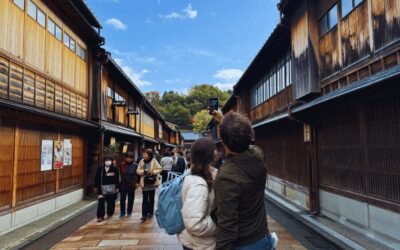

Colors of Kanazawa (Traditional Crafts and Gardens)
Read our review →
Kanazawa Half Day Private Tour – Castle, Garden, Geisha District
Read our review →
Private & Unique Kanazawa Cherry Blossom “Sakura” Experience
Read our review →Browse the lists this tour appears in